
morgan20
-
Posts
414 -
Joined
-
Last visited
-
Days Won
2
Recent Profile Visitors
10,686 profile views
morgan20's Achievements
186
Reputation
1
Community Answers
-
Ford Should Be Concerned About the Kia EV6's Charging Speed - Autoblog
morgan20 replied to Biker16's topic in E.V. Central
As mentioned earlier, the Hyundai/Kia EV sales loser categorization is due to shifts in production from South Korea to the U.S. for 2025 EV6, EV9, and Ioniq 5. They didn't import Korean built versions of the 2025 models to the U.S. while ramping up production at their two plants in Georgia, causing sales to drop as remaining 2024 models sold out. Hyundai/Kia should see sales growth for their EV in the second half of the year -
Ford Should Be Concerned About the Kia EV6's Charging Speed - Autoblog
morgan20 replied to Biker16's topic in E.V. Central
Ford's head honcho said many times that he's really concerned about them Chinese automakers. Should he pay more attention to the rise of Hyundai/Kia in the U.S. EV market? -
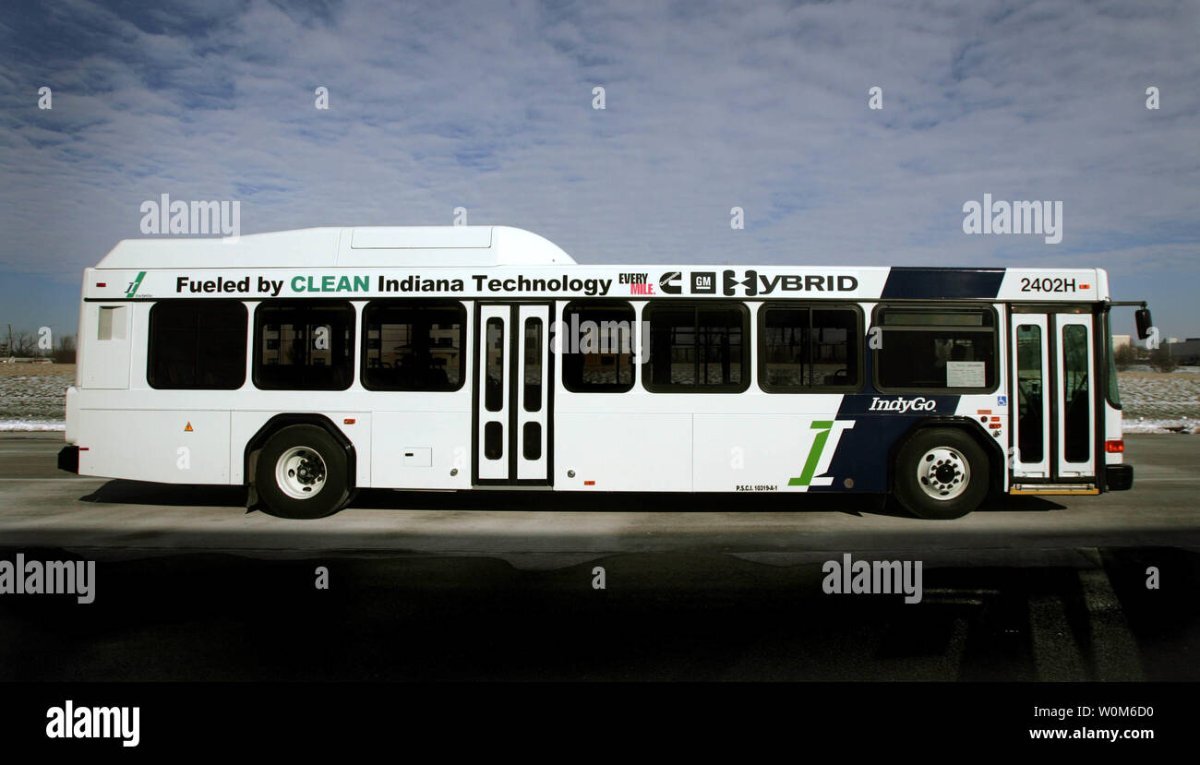
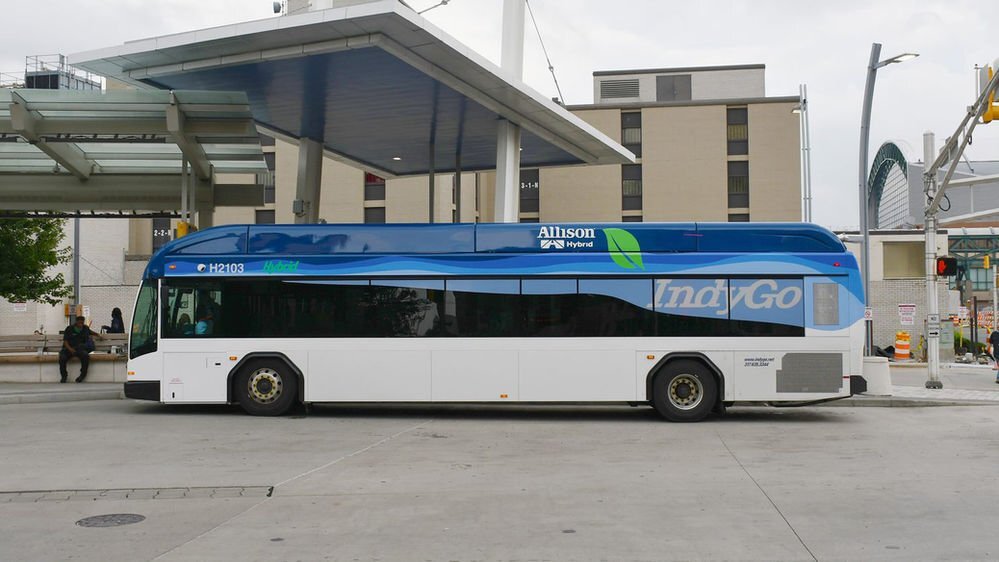
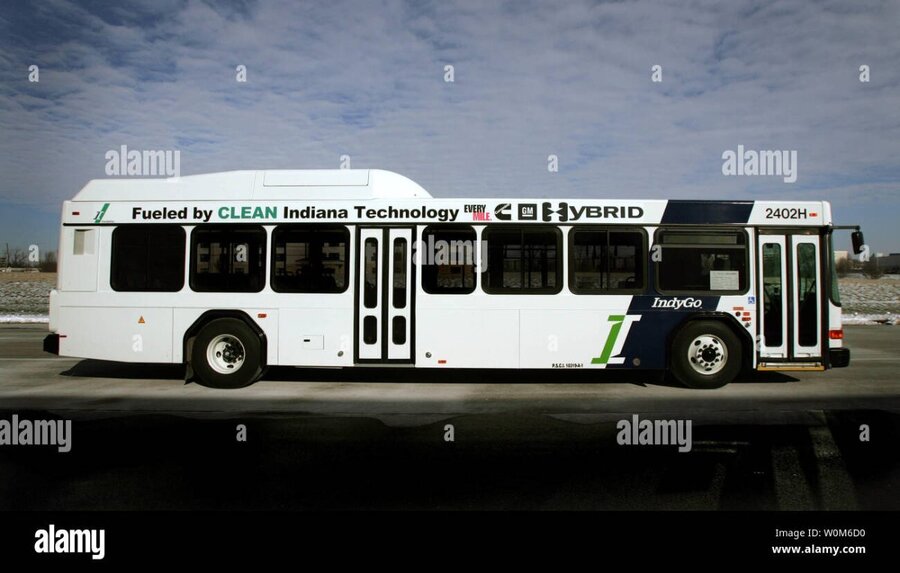
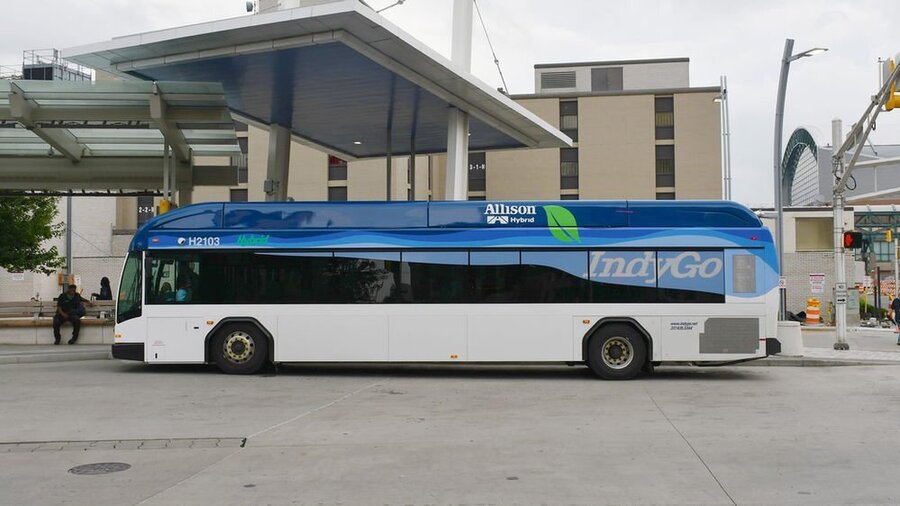
Yea, the Two Mode Hybrid system was and remains a good concept. The latest version from Allison, eGen Flex and eGen Flex Max, builds upon the original design with a new drive unit, inverter, battery chemistry, and software. IndyGo says it works reliably and at reasonable cost.

-
Ford Should Be Concerned About the Kia EV6's Charging Speed - Autoblog
morgan20 replied to Biker16's topic in E.V. Central
Kia’s EV9 and EV6 sales dropped nearly 50 percent in the first half of 2025 because those models underwent a shift in production location from South Korea to the Kia plant in western Georgia. It took some time to revamp the plant for EV -
Infiniti's head honcho apparently thinks it will. 😄 Here is what he wrote yesterday: Gratitude. Momentum. Progress. Thank you to the INFINITI Motor Company team & retailers for the focus and determination that powered us through Q2. Because of your dedication, we achieved the best first-half ever for QX80 and continued to see strong, steady demand for QX60—clear proof of what’s possible when we stay aligned and focused on our priorities. We’re not just improving the present—we’re accelerating the future. And as we head into the second half of the year with the new 2026 INFINITI QX60 being available, we’re doing so with real momentum. There’s no stopping us. Let’s keep going.
-
JD Power 2025 Initial Quality Study
morgan20 replied to rmc523's topic in Ford Motor Company Discussion Forum
Toyota had to deal with the media sensationalize every quality woe you have about 15 years ago. Remember this? The 2009-2010 Toyota unintended acceleration scandal remains one of the most significant safety controversies in automotive history. Affecting millions of vehicles worldwide, it not only tarnished Toyota’s reputation but also set new standards for regulatory oversight and corporate accountability. -
Ford Should Be Concerned About the Kia EV6's Charging Speed - Autoblog
morgan20 replied to Biker16's topic in E.V. Central
Yea, I know of EV6 and Ioniq 5 owners who also had problems with the ICCU (Integrated Converter Control Unit). Them Koreans redesigned the ICCU for 2025 E-GMP vehicles (increased output density and better thermal management among other changes). Sounds like they finally got this fiasco under control. -
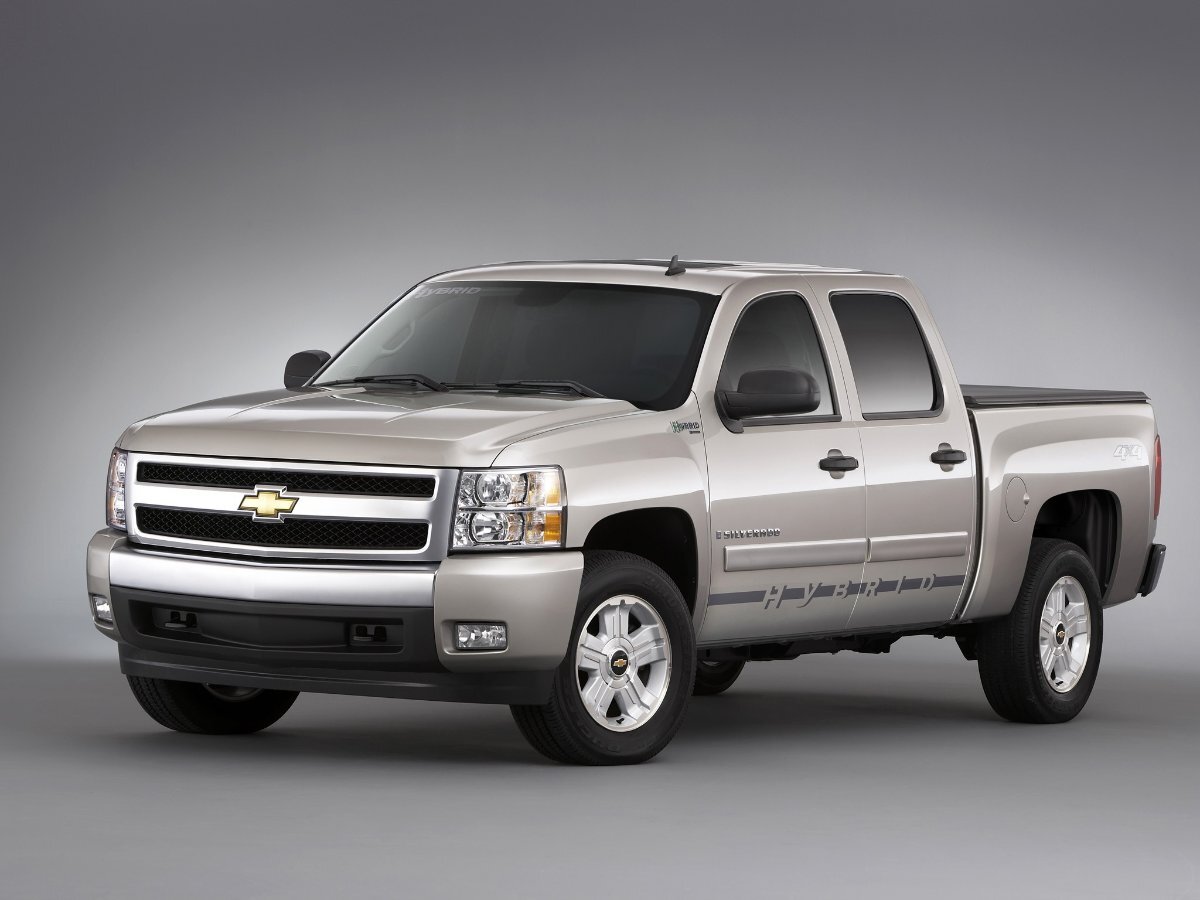
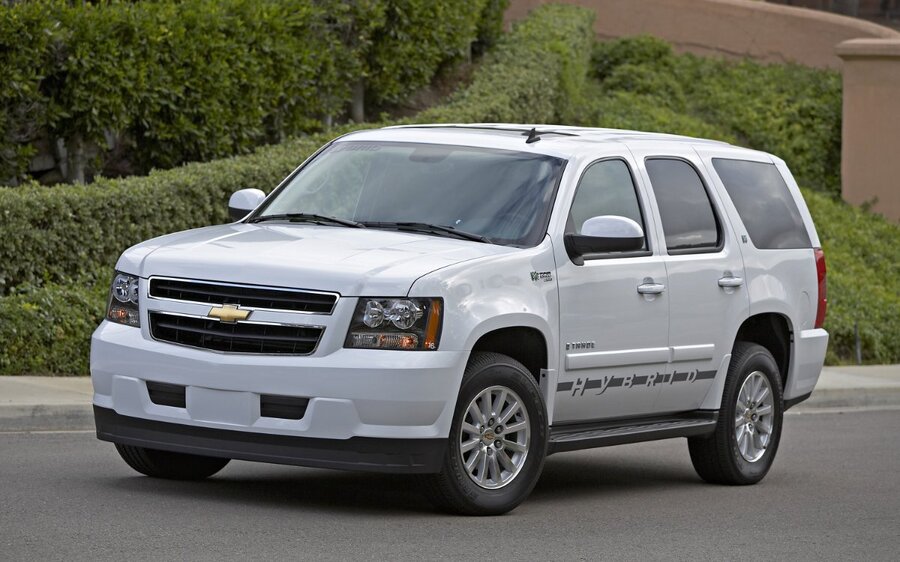
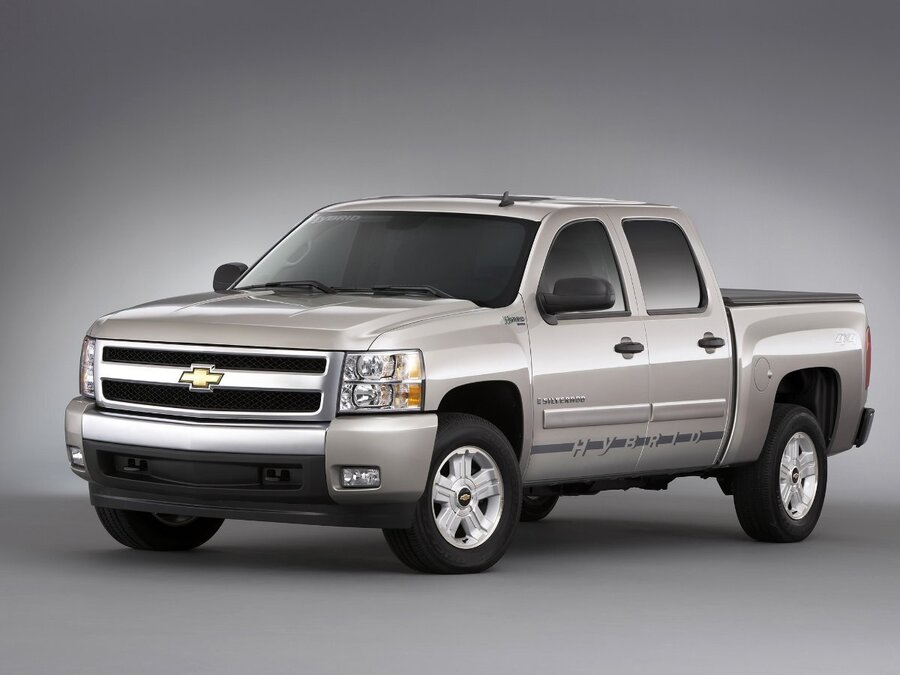
Yea, GM also had regular HEV pickup trucks and SUV in the late 2000s and early 2010s, using the Two Mode Hybrid system. Those flopped as well. The Two Mode Hybrid system was originally invented here in Indiana by Allison Transmission when they were part of GM. The system was first applied to transit buses before finding its way to the GM pickups and SUV. Though the technology flopped at GM, Allison has been independent of GM for the past 18 years and continues to refine and advance it.
-
European Car Industry: Owning a Car is now only for the Rich
morgan20 replied to mackinaw's topic in E.V. Central
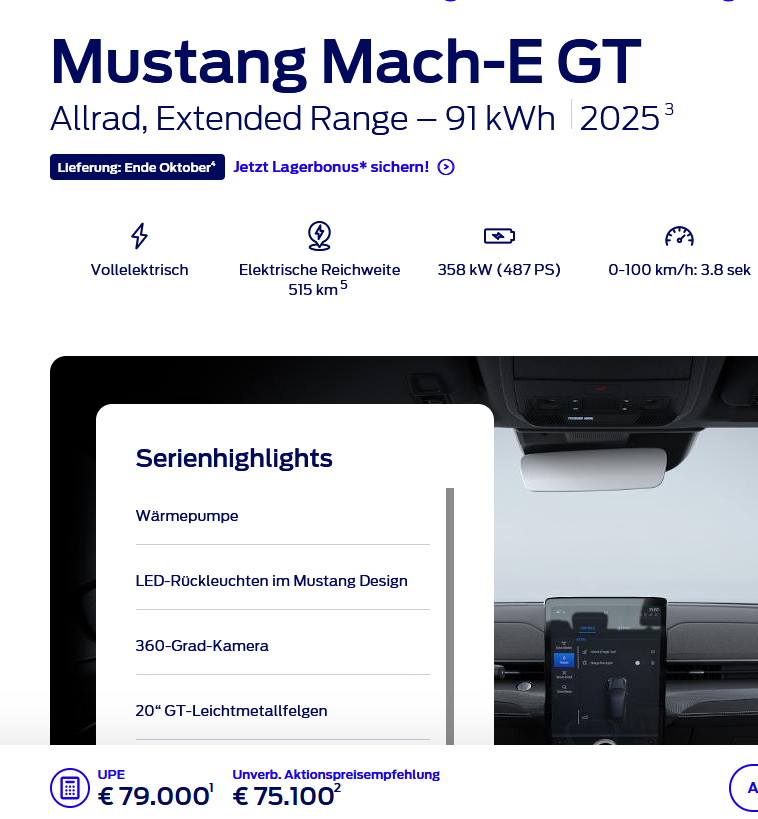
Yea, as Henry Payne said, Europe is a different planet when it comes to cars. Another example: The new MME GT I purchased for my wife last month here in the USA had a pricetag less than $50k before taxes and fees. The same MME GT goes for almost $89,000 in Germany: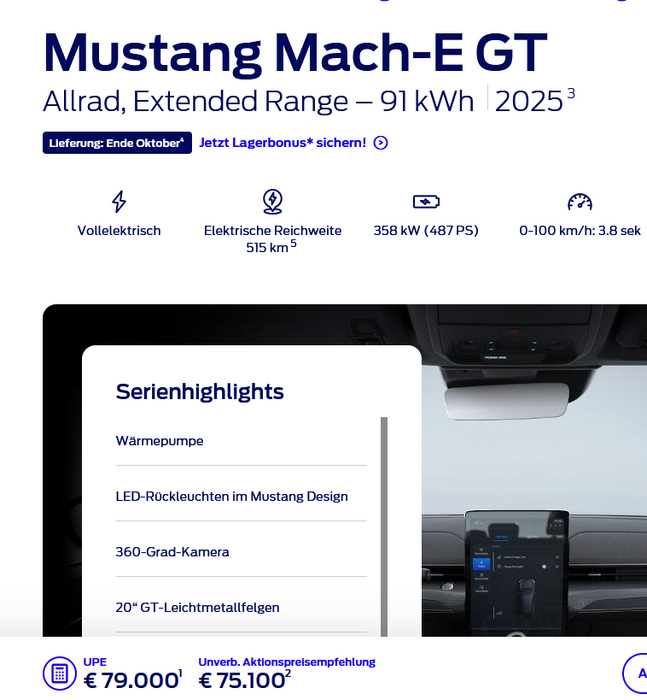
-
Yea, I remember that. Original development started a few years after I started working at Ford. In retrospect, I thought "why did Ford bother to develop its own hybrid system? It wasn't better than Toyota's Hybrid Synergy Drive back then, and it sure ain't better than the current generation Toyota Hybrid System now." Not Invented Here Syndrome explains why. Ford wrote the book on “Not Invented Here” – Ford will take that idea and do it better, cheaper and in less time. The reality is something altogether different. After Ford operatives get their hands on an idea, it will cost twice as much, take twice as long and be not even remotely better.
-
Ford Should Be Concerned About the Kia EV6's Charging Speed - Autoblog
morgan20 replied to Biker16's topic in E.V. Central
I bought a MME GT for my wife recently. We test drove both a 2025 EV6 GT Line AWD and a 2025 Ioniq 5 N Line among others before deciding on the MME. I agree that Ford should be concerned. While we really like our MME, 2025 EV6 and Ioniq 5 are seriously good products. They got a nice refresh for 2025 and have built-in NACS charging port! Ford was the first non-Tesla automaker to announce NACS support, but Hyundai/Kia beat Ford in actually adding NACS port to their EV 😒 -
Got it. One of the big shots at GM said in 2022 that the company"has no plans to dilute its investment into electrification with hybrids." Then a couple years later the head honcho "highlighted the environmental benefits of PHEVs", but didn't announce any specific products. That's why GM doesn't have any regular hybrids other than Corvette e-Ray in 2025.
-
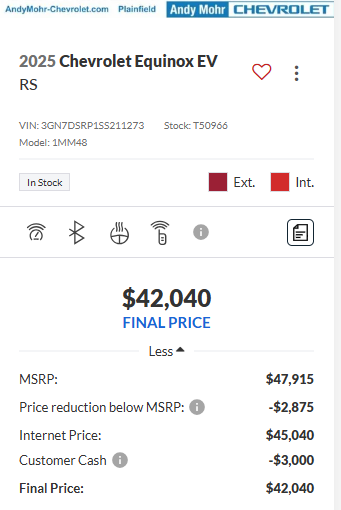
Yea, good points. Also, Equinox EV qualifies for the $7,500 federal tax credit, potentially reducing price of the base LT 1 version to $26k. Sure it's styled like an anonymous blob, but Equinox EV is a mighty fine car for $33k, and an amazing bargain at $26k. Even the loaded higher trims like RS are reasonably priced: All of the traditional automakers, GM included, are still in "startup" phase with their EV operations. So it's expected that they don't turn a net profit now. GM's makin' progress on that measure though. The head honcho said in January that GM's EV ops became "variable profit positive" at the end of 2024: GM CEO Mary Barra described its EV business as “variable profit positive,” in which the revenues from its EVs exceeded the fixed costs of manufacturing the vehicles, including labor and building materials. It did not include costs such as building assembly lines, but it does show that GM is making progress on its EV business. Last year, Barra said the automaker would start making money on its EVs by the end of 2024. But today’s report suggests that there is still some work to do before GM can make good on its promise.
-
Whatever the number of Corvette e-Ray GM sold. Since GM presented the numbers for all Corvettes, not e-Ray specifically, my guess is that e-Ray sales are 3%of total Corvette sales for the first half of the year. 3% of 12,595 is 378. That's my final answer, 378 hybrids sold by GM in the first half of the year. 😄 Why do you ask?
-
Chevy Equinox EV is hittin' a grand slam! From last quarter: In the 2025 first quarter, Chevrolet became the fastest growing domestic EV brand, surpassing Ford. For the year through May, Chevrolet has sold more than 37,000 EVs in the U.S., compared to 34,000 for Ford. GM will report second quarter sales on July 1. In 2025 second quarter, Chevrolet widened its lead over Ford to over 12,000 units for EV