

Biker16
-
Posts
5,933 -
Joined
-
Last visited
-
Days Won
9
Recent Profile Visitors
18,401 profile views





Biker16's Achievements
505
Reputation
-
America's largest power grid is struggling to meet demand from AI
Biker16 replied to Biker16's topic in E.V. Central
True, and utilities buy power from a market of potential suppliers , those suppliers can't keep up with demand from AI so the price increases until the demand matches the supply. -
America's largest power grid is struggling to meet demand from AI
Biker16 replied to Biker16's topic in E.V. Central
The free market ain't doing it anymore. -
America's largest power grid is struggling to meet demand from AI Electricity bills projected to surge over 20% in PJM territory this summer PJM criticized for delaying auctions and pausing new plant applications Pennsylvania governor threatens to leave PJM if it can't reduce costs and connect power plants faster HARRISBURG, Pennsylvania July 9 (Reuters) - America's largest power grid is under strain as data centers and AI chatbots consume power faster than new plants can be built. Electricity bills are projected to surge by more than 20% this summer in some parts of PJM Interconnection's territory, which covers 13 states - from Illinois to Tennessee, Virginia to New Jersey - serving 67 million customers in a region with the most data centers in the world.
-
How Much Range Does Your EV Lose After 5 Years? Here’s The Real Data
Biker16 replied to rmc523's topic in E.V. Central
The battery management systems (BMS ) on older EVs are known for poor battery wear. Lower cost replacements exist for for some models on this list. There is a large market for replacement batteries for Leafs and I3s plus there is a growing market used EV batteries. Old BMW i3 Gets Double The Range With This New Chinese Battery -
Ford Should Be Concerned About the Kia EV6's Charging Speed - Autoblog
Biker16 replied to Biker16's topic in E.V. Central
My question is can Ford deliver on what they are promising. I remember the promises made in past that didn't pan out, how will this be different. -
I think this only includes the software and electrical platform. VW E-Motors are well regarded in the industry. IMO their hardware issues with MEB are due to them being a early entrant on dedicated EV platforms. Where later entrant were able to better optimize their platforms.
-
Ford Should Be Concerned About the Kia EV6's Charging Speed - Autoblog
Biker16 replied to Biker16's topic in E.V. Central
Yep Hyundai is selling more vehicles in the US than ever as new American-made EVs arrive -
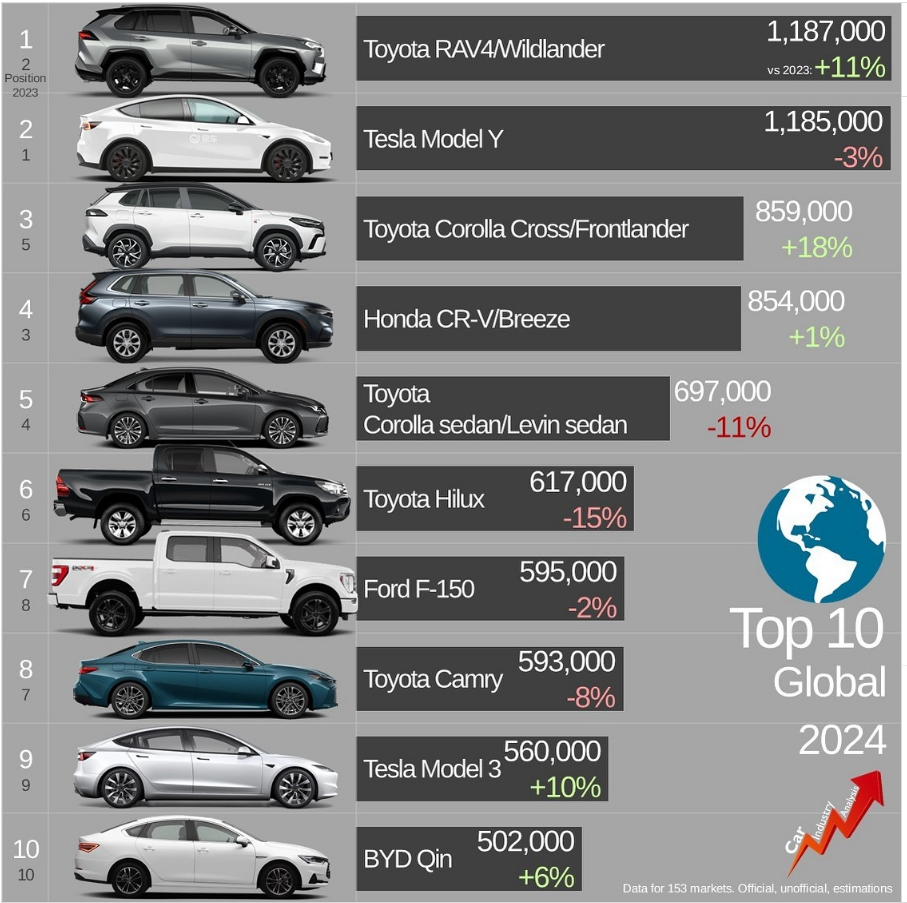
The World's Best Selling Car Is No Longer a Tesla
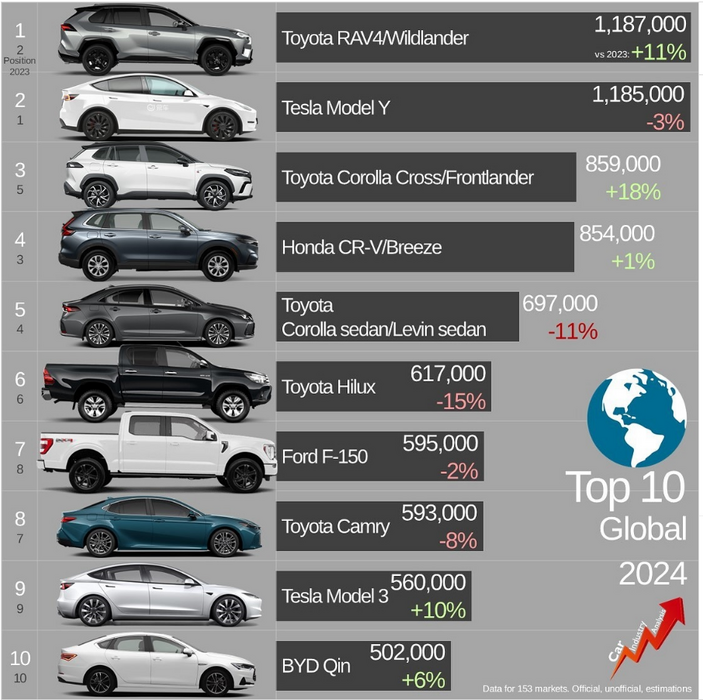
-
Ford Should Be Concerned About the Kia EV6's Charging Speed - Autoblog
Biker16 replied to Biker16's topic in E.V. Central
I don't think so. I think this has more to do with the market maturing and more EV Options being offered. EV Market Monitor – May 2025 - Cox Automotive Inc. -
https://www.autoblog.com/features/ford-should-be-concerned-about-the-kia-ev6s-charging-speed T
-
Another Dumb Electrical Code Change Could Ban DIY EV Charger Installs
Biker16 replied to Biker16's topic in E.V. Central
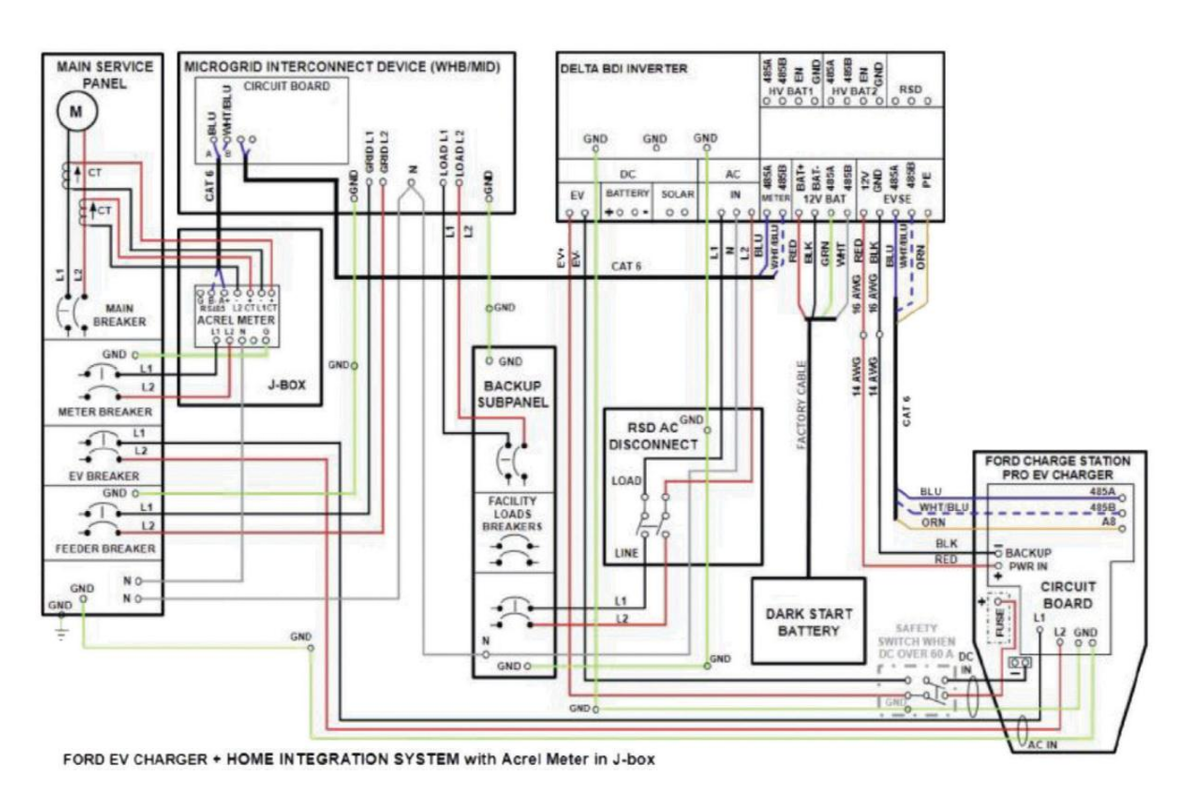
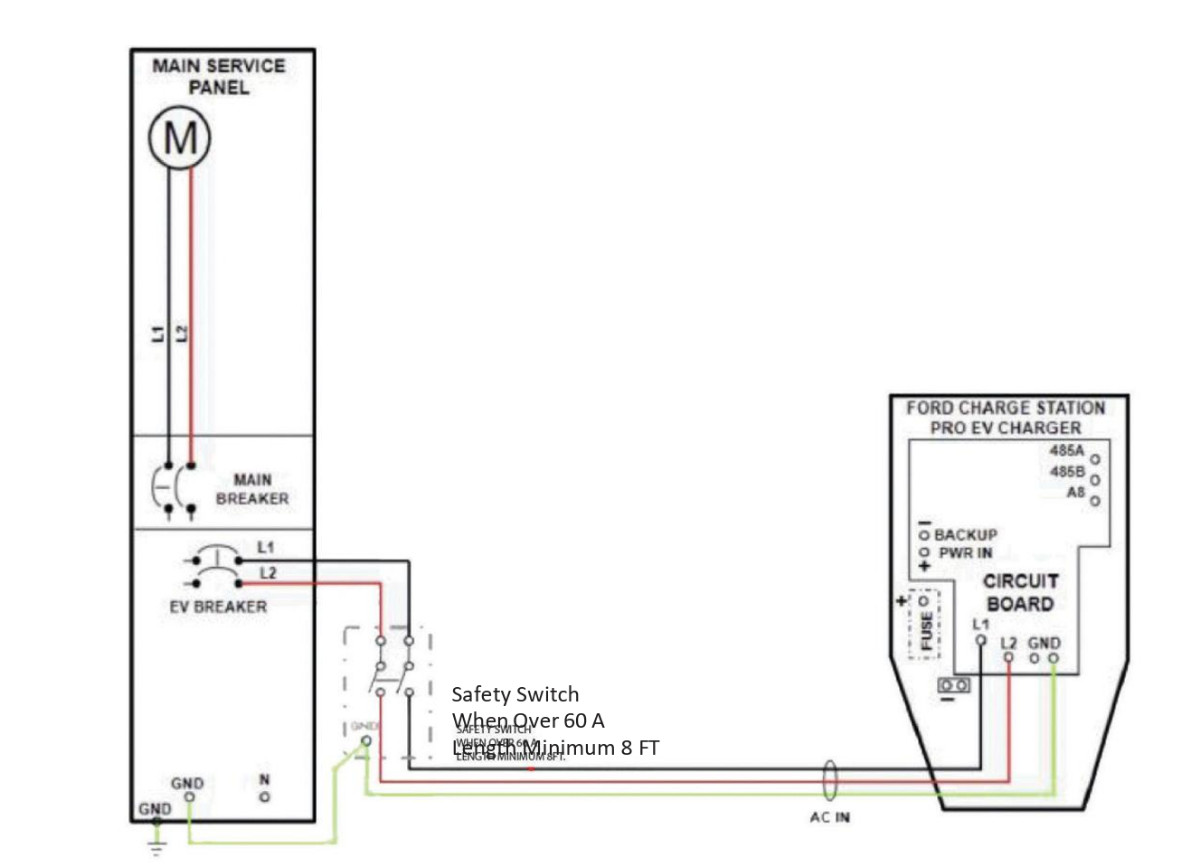
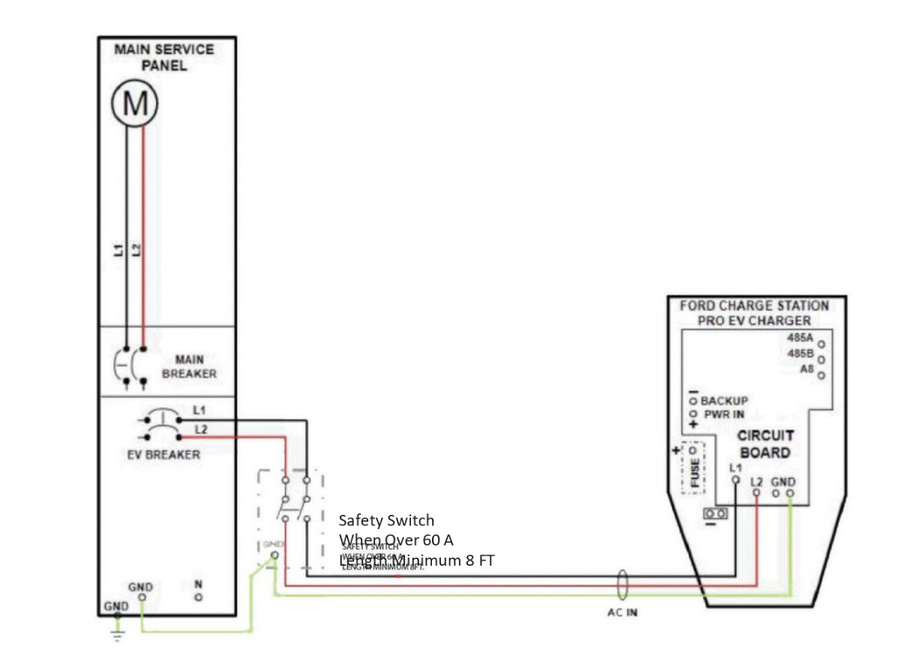
For the Record, no EV on the Markets in the US can provide V2G capability or backfeed grid without a Dedicated system to enable that feature. To put it bluntly, Standard EVSE will never provide V2G capability. The systems that offer V2G Tesla- Requires A powershare gateway to enable V2G and disconnet from the grid. Powershare - Vehicle to Home Backup System | Tesla Ford and GM - Reqire a seperate inverter to function as well as a 80 amp circuit Standard EVSE wiring Diagram Ford V2H Wiring Diagram Can you see the Difference?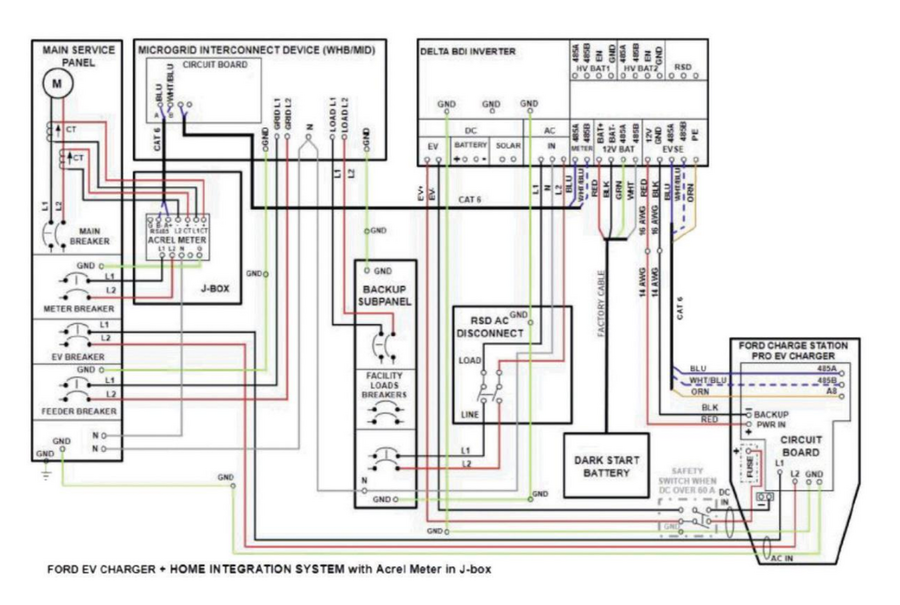
-
They are getting what they deserve.
-
Another Dumb Electrical Code Change Could Ban DIY EV Charger Installs
Biker16 replied to Biker16's topic in E.V. Central
The calculations are simple, the situation I can foresee is that these rules will increase the number of DIYers that don't seek a permit, which is the best way to ensure that the wiring is done correctly. Personally, I think mandates like this are overkill, and can do more harm than good.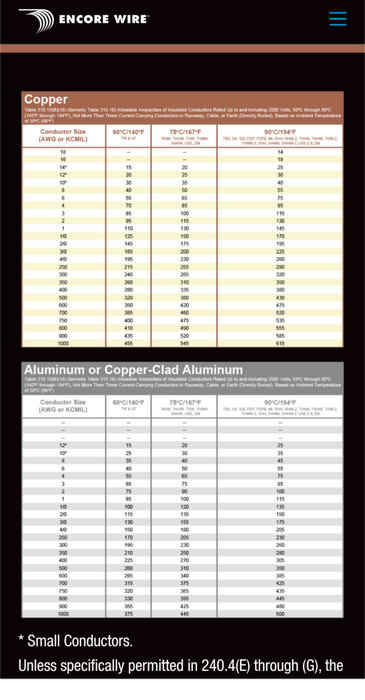
-
Another Dumb Electrical Code Change Could Ban DIY EV Charger Installs
-
Isn't it ironic that the standards we are discussing are really standards not mandates. FWIW