-
Files
-
Popular Contributors
-
1

-
2

-
3
-
4

-
5
-
6

-
7
-
8
-
9
-
10
-
-
Posts
-
 It looks like the Chinese Dolphin and other Chinese EVs to me.
 -
Attended my 50th high school reunion two months ago and I can 100% confirm that age is extremely unkind to some. On the other hand one of our class beauties is still gorgeous at 78. It is truly a mystery how some do so well and others do terribly.
-
 There were a lot of negative comments on a truck smaller than the current Ranger. I was in favor of a truck about the size of the original Ranger which is about the size of the Maverick. Home owners don't need a truck that can carry a couple of thousand pounds or tow 5 tons. We just need something that can handle those oversized items to take to the dump or bring home from the hardware store. How many F150's just move one person? Take them to work and back home, my guess is that 4 doors is not a requirement for 80% of a F150's life. In my neighborhood, F150's are very popular, at least 2 dozen of them and all are 4 doors except mine. add in another dozen full size trucks of different brands, all 4 doors also. How often do I see more than one person in any of these trucks, never. When the wife is along for the ride they take the sedan or suv. Take a chance on a new Ranchero, the cost would be a drop in the bucket compared to the losses Ford took on the EV programs. Just make sure it comes with the V8.
 -
Hi everyone, I have already seen the redacted/preliminary copy of the 2026 Ford Super Duty Chassis Cab Order Guide, but I am looking for the complete, unredacted dealer version (covering full specs/fleet options for F-350 / F-450 / F-550 / F-600). Has Ford uploaded the unredacted PDF to FMCDealer yet? If anyone with access could share or upload an unredacted copy to the Dealer Order Guides section, that would be greatly appreciated! Thank you!
-
Here you go. Fred 2016 MKC-Black Label Order Guide.pdf
-
By Broncofan7 · Posted
2027 Ford F-150: Start-Stop and Cylinder Deactivation Changes Think these details should be highlighted. -

By Sherminator98 · Posted
Well considering that the 2 tone package costs like 20K to get, your gonna need another year or two to afford it LOL -
By 02MustangGT · Posted
This. Evidence that the new process is working. However, it is frustrating for those of us who own vehicles with seemingly endless recalls and “re-recalls”. For me, the frustration is more about trusting the dealer not to fuck something up while attempting to complete the recall work (Lincoln/Ford dealer service in and around Indy metro is mediocre at best). -
I was just going to post this! But it's going to take more than this to finance a vehicle for 7 years!
-
I saw one yesterday and can't fathom why anybody would buy that thing. A toaster has more personality.
-
-
Topics
-
-
Top Downloads
-
-
Albums
-
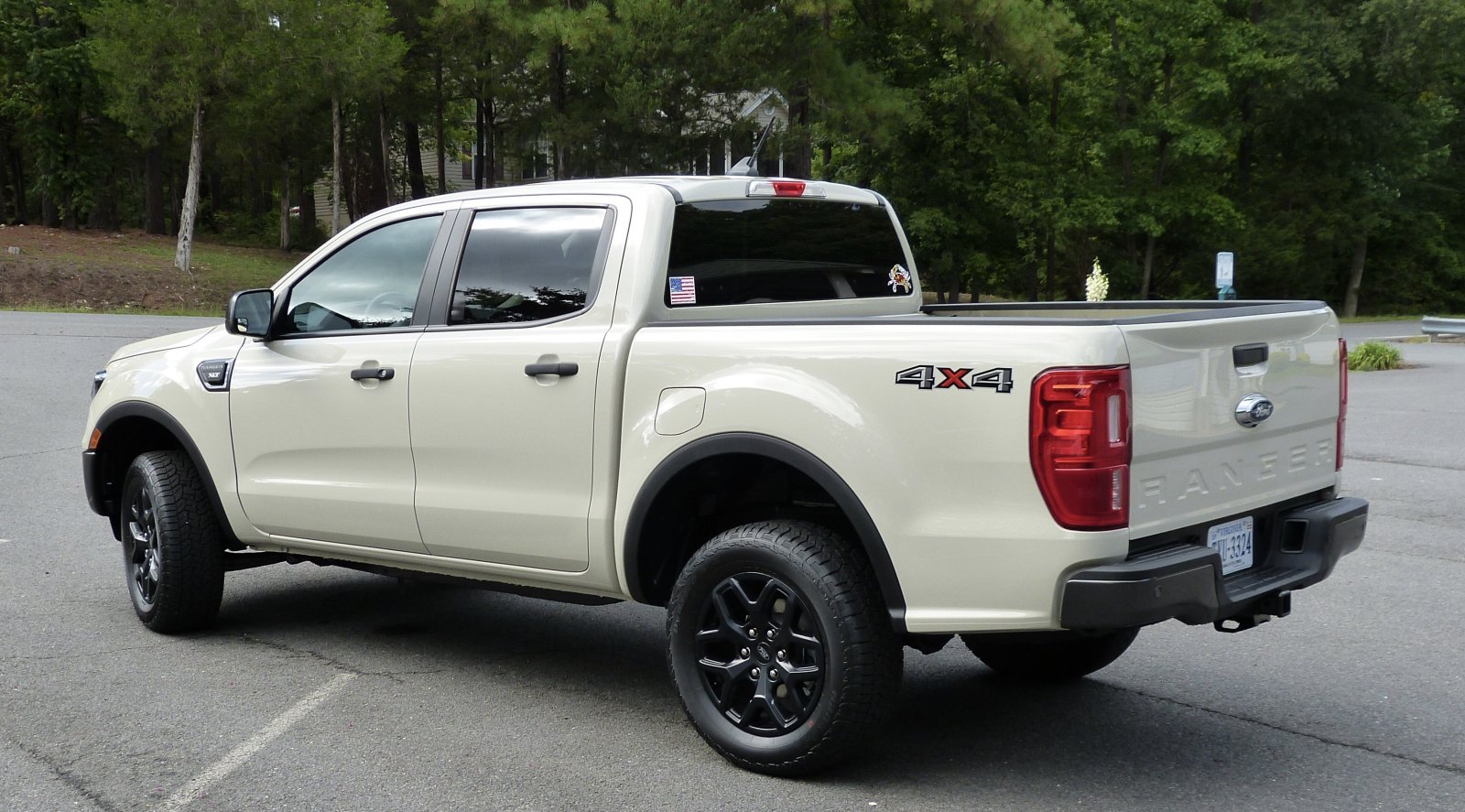
2022 Ranger Splash Desert Sand
- By Rangermrd,
- 0
- 0
- 1
-
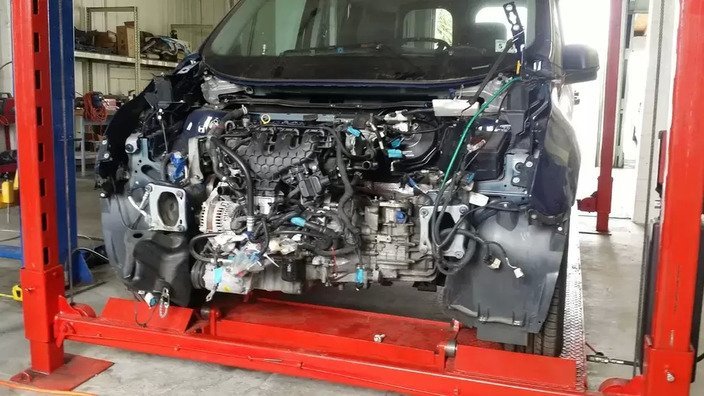
Performance Tuner Connects
- By LostInTransit,
- 0
- 0
- 7
-
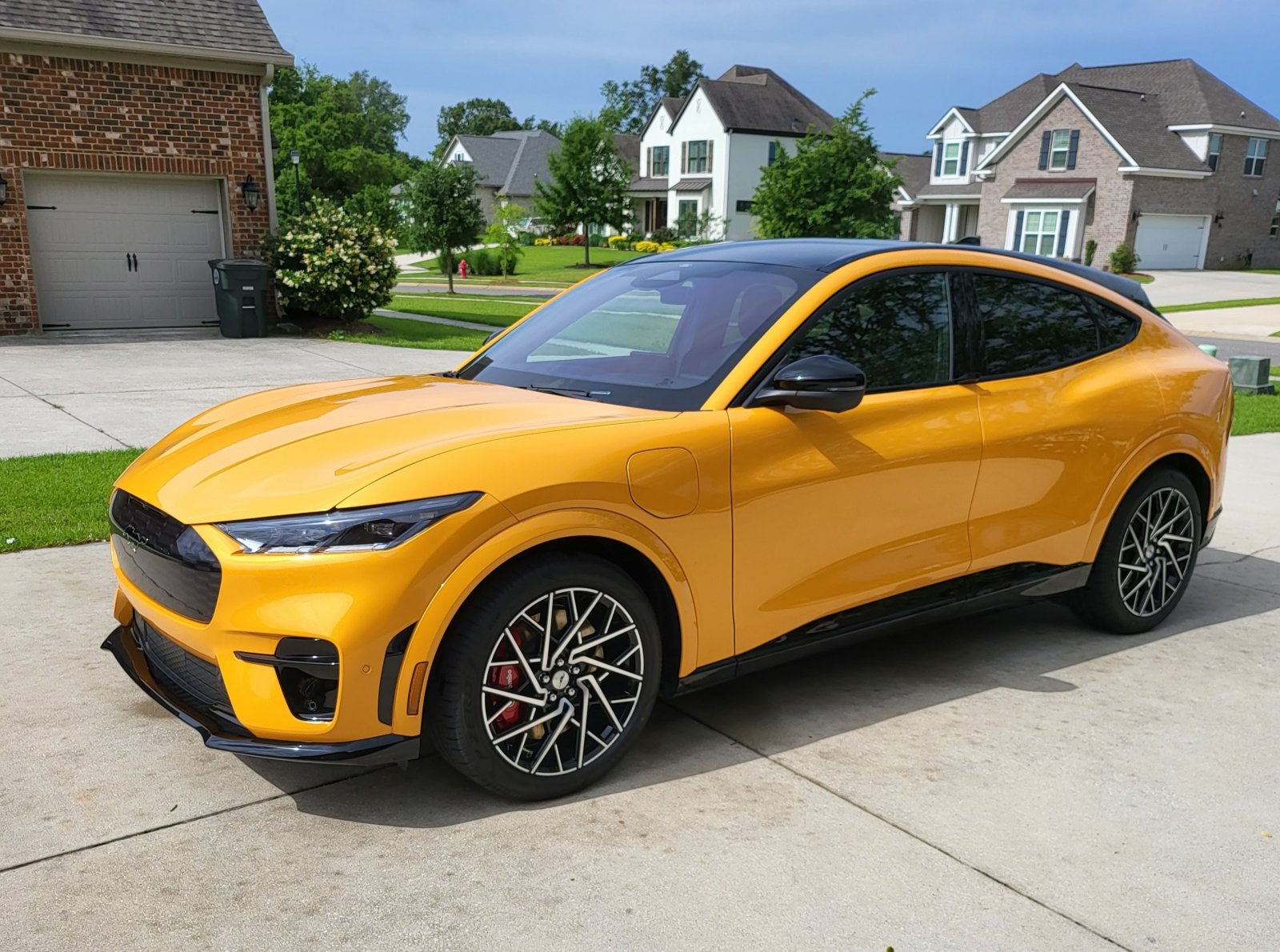
amtrucker22
- By amtrucker22,
- 0
- 0
- 1
-
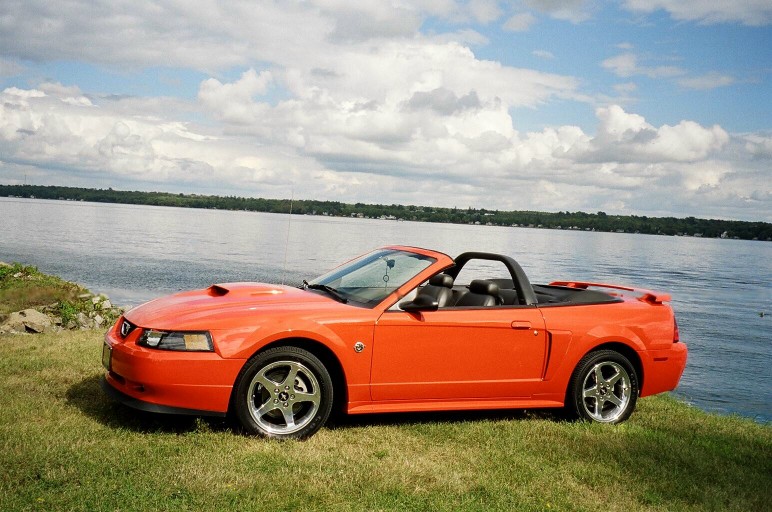
4 CRUZEN
- By 04GT,
- 0
- 0
- 4
-
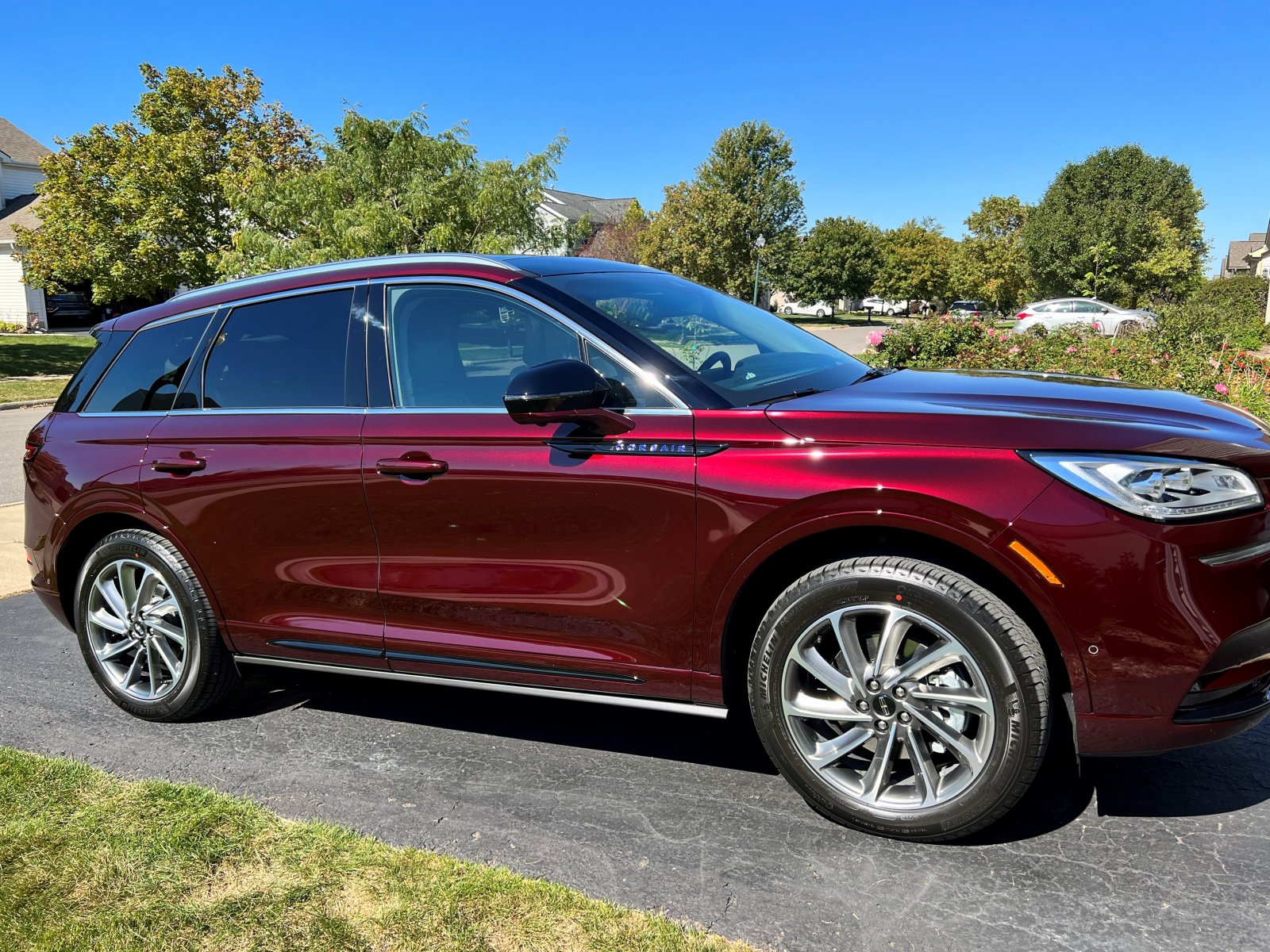
2021 Lincoln Corsair Grand Touring in Burgundy Velvet
- By RedHoncho01,
- 2
- 1
- 3
-