-
Files
-
Popular Contributors
-
1

-
2

-
3
-
4
-
5
-
6
-
7
-
8

-
9

-
10
-
-
Posts
-
 Here's the info out of the Product Info Guide: Price-wise, there's a base price drop of about $200 on most trims, about $500 on Badlands. Flip side of that, the Convenience and Tech/Premium packages have gone up in price.
 -
By Willwll313wll · Posted
I drive a standard range GM Pickup EV rated at 283, but I average about 320+ on a full charge. Was getting about 270 on a full charge in my previous Hyundai Ioniq. I take 2-4 150+ mile road trips a year and the extra 50 miles in the GM is a game changer, especially considering highway range depletion. -

By Sherminator98 · Posted
Maybe, if I can get one But hey the only reason for the interest is that it has a Mustang Sedan wrapped around it 😛 I was thinking the Mach E, but it looks like it won't be around after 2030. -
Ford Bronco Sport Will Be Cheaper for 2027, but Lose Features - Autoblog Here’s what’s changing for 2027: Big Bend: Loses the fold-down rear center armrest with cupholders and heated side mirrors. Heritage: Heated side mirrors are no longer standard. Outer Banks: The 6-way power passenger seat becomes a 6-way manual seat, while the auto-dimming rearview mirror is no longer standard. Badlands: Drops the 8-way power driver’s seat in favor of a 6-way manual seat, loses standard dual-zone climate control, and also loses the auto-dimming rearview mirror as standard equipment.
-
This is my observation too. Caltrans operate a lot of Ford Class 6 but commercial fleets box trucks are heavily Freightliner. I will add that Class 4/5 box trucks here are heavily Isuzu but Ford dominates the airport shuttles (I live near LAX).
-
What We Know About Mitsubishi's Upcoming US Pickup Truck - Autoblog Mitsubishi’s announcement, part of its broader “Momentum 2030” plan for North America, confirmed a pickup is coming without specifying exactly what underpins it. But the timing lines up too neatly to ignore: Nissan is developing its next-generation Frontier, and Mitsubishi has described the truck as a “collaboration project” with Nissan rather than an import of its own global lineup. Wards Auto reports the automaker has confirmed the new pickup as a joint project built around Nissan’s platform , likely sharing its frame with the next-generation Nissan Frontier while carrying Mitsubishi-specific styling and branding. A trademark filing for the name “Endeavour” has resurfaced alongside the announcement, suggesting Mitsubishi may be planning a distinct identity for the truck rather than a straight rebadge.
-
The charging network is still expanding fast anecdotally. About a year ago when I was checking out a Rivian, I couldn’t even consider it because some places I had to regularly drive to for work didn’t have a fast charger. Now they do, and they built one down the road from my office building. That more or less is what made me conclude my next vehicle is most likely EV (although if the Fathom looks like shit I’ll probably save up for something else like a Rivian).
-
A PHEV, right? 😁 oh man, this is so much fun!
-
Oh, I definitely remember. Hell, I had not one, but TWO Chevettes! Almost got killed in one, rear-ended by a drunk driver in 1992. I had to shuttle a Transit Connect from my store to Fed Ex a few years ago, into the 2.0L/8-speed era. What I didn't realize initially was that it was governed to 60mph. I discovered that at 60mph, the stupid thing hunted between 7th and 8th gear, unable to decide on one. Had to put it in manual mode and just force it to stay in 8th. That wasn't so bad on the back roads I could run most of the way, but having to get on a 70mph speed limit section of the route was straight up dangerous. Left lane all the way with the hazards on so I didn't get smoked from behind. And going up any hills, had to drop it down to 7th or 6th just to keep any momentum at all. Come to think of it, it really WAS a lot like driving those old Chevettes!
-
We'll see if the procedures stick around this time, or if they institute them for a few years and then get lax on them in another couple years.
-
-
Topics
-
-
Top Downloads
-
-
Albums
-
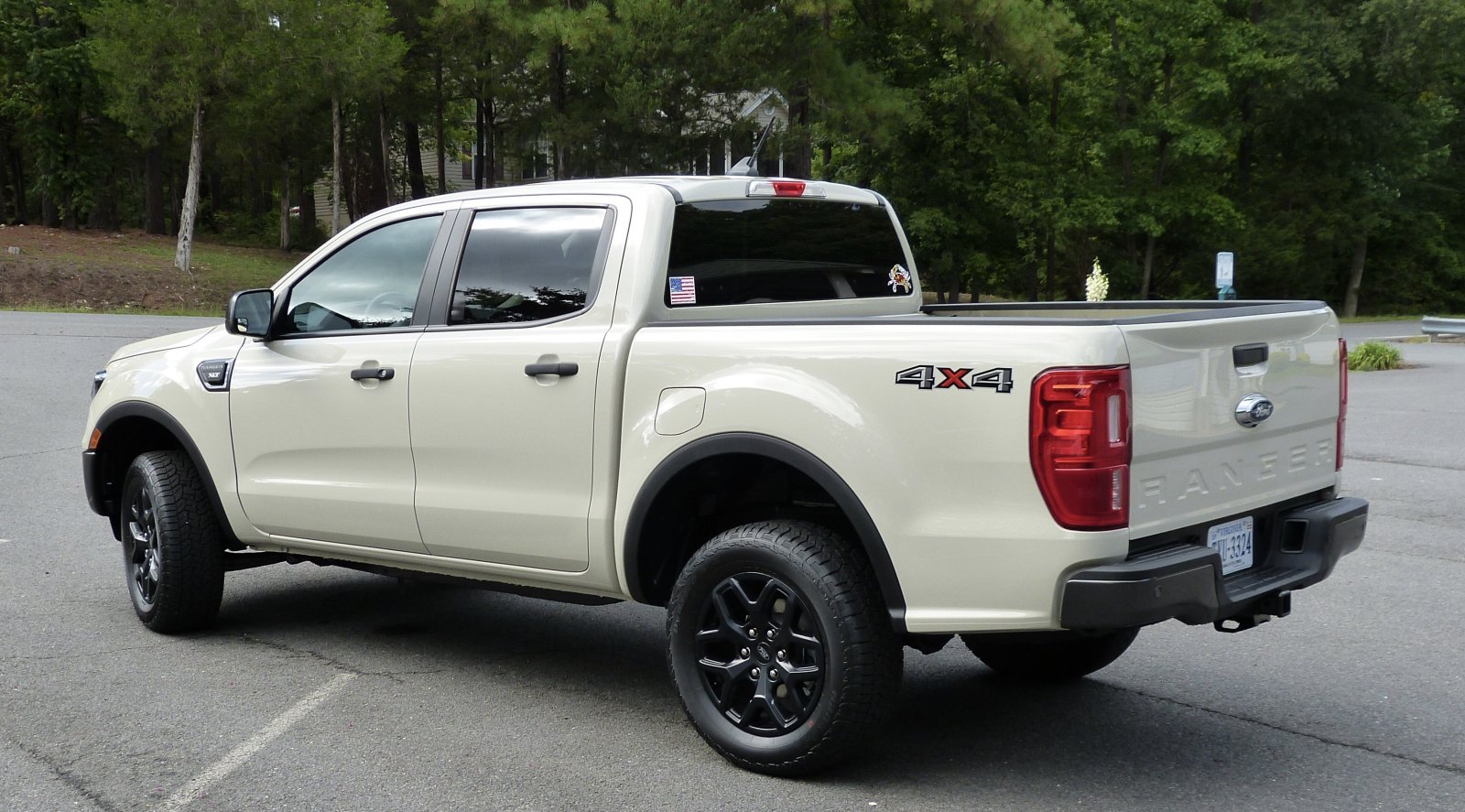
2022 Ranger Splash Desert Sand
- By Rangermrd,
- 0
- 0
- 1
-
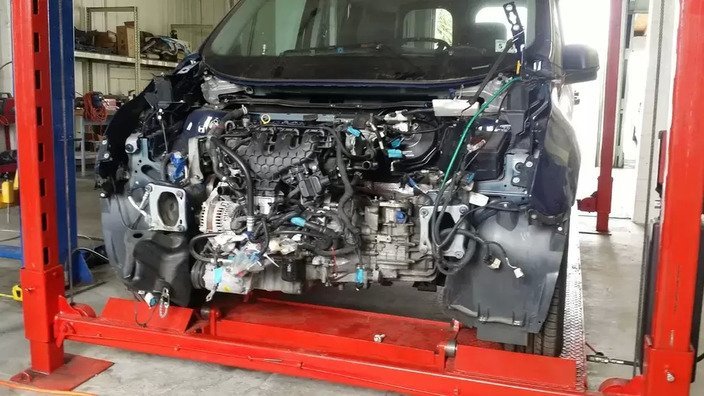
Performance Tuner Connects
- By LostInTransit,
- 0
- 0
- 7
-
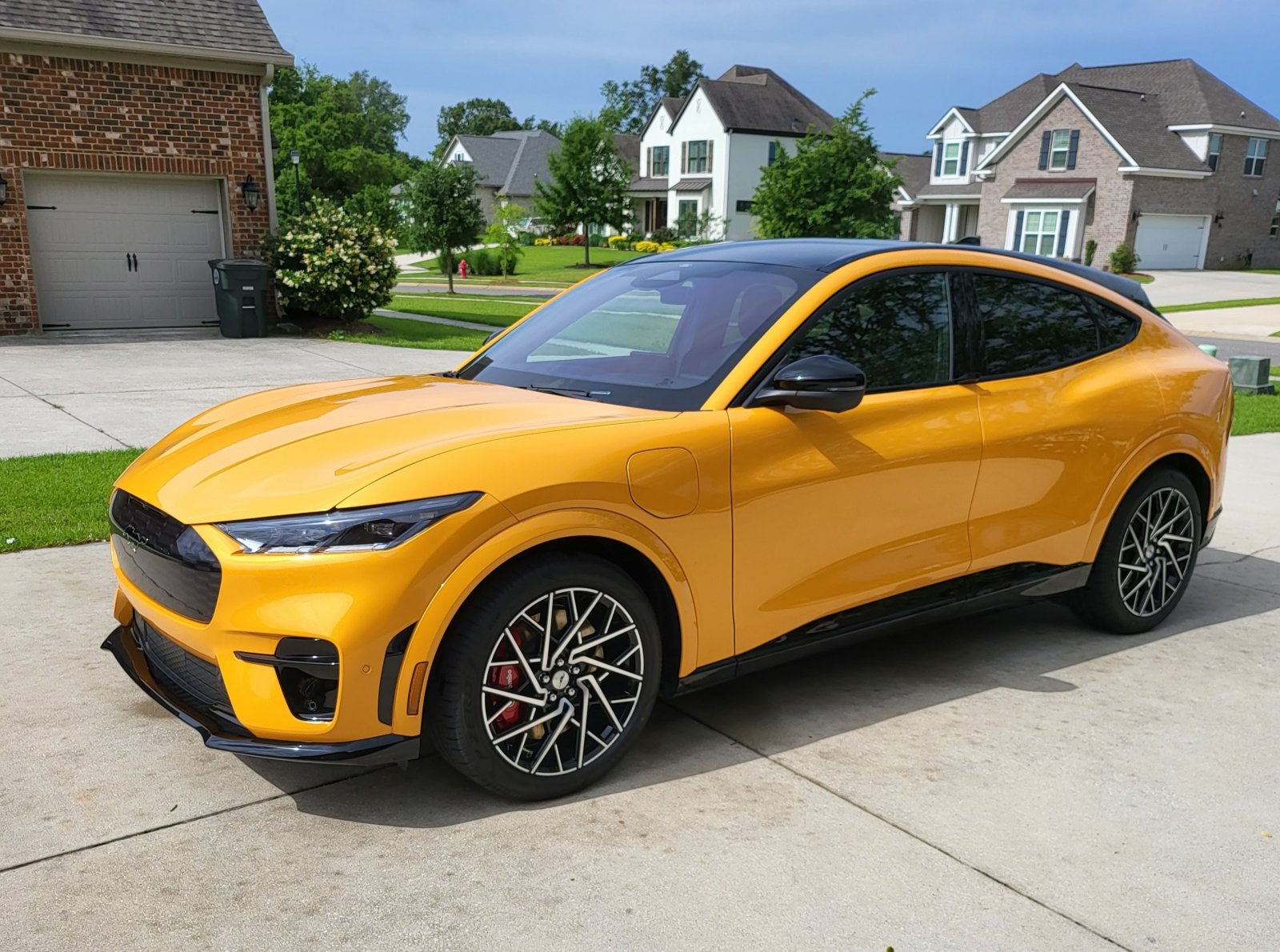
amtrucker22
- By amtrucker22,
- 0
- 0
- 1
-
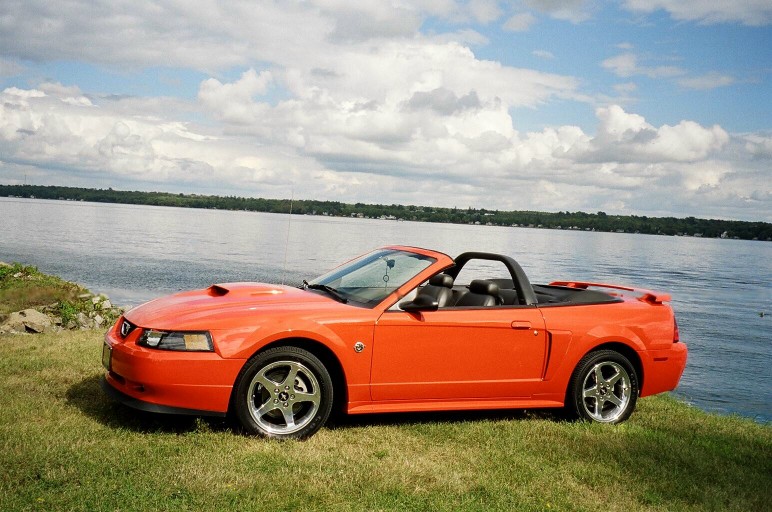
4 CRUZEN
- By 04GT,
- 0
- 0
- 4
-
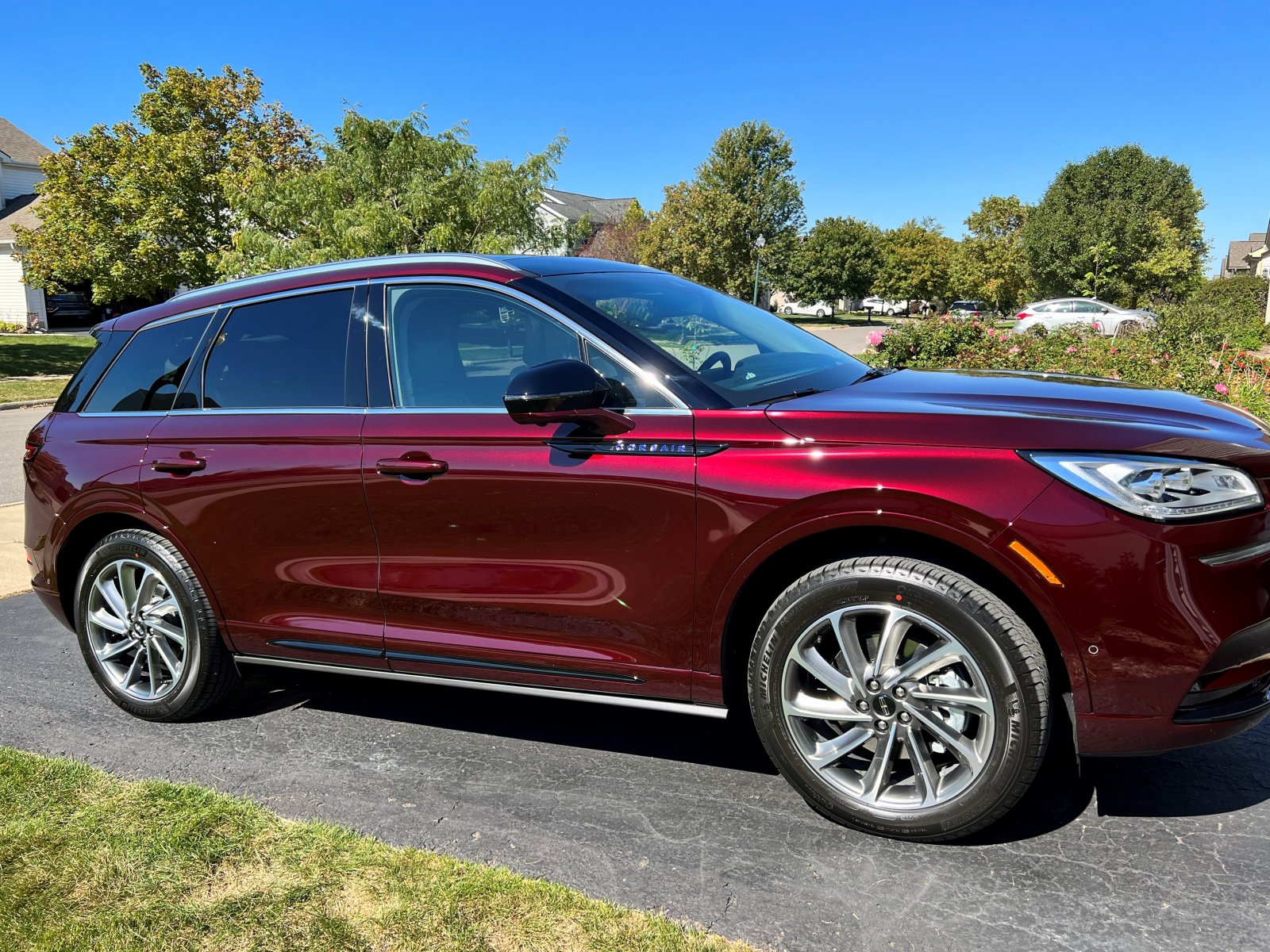
2021 Lincoln Corsair Grand Touring in Burgundy Velvet
- By RedHoncho01,
- 2
- 1
- 3
-