-
Files
-
Popular Contributors
-
1

-
2
-
3

-
4

-
5
-
6
-
7
-
8
-
9
-
10
-
-
Posts
-
DHL has some of those in its fleet. Lots of Ford E-Transits too.
-

-

By Sherminator98 · Posted
I'm speaking of Chinese mainline manufactures, who do not have a presence in the US market -
Chinese vehicles, both from U.S. companies like Ford ('27 Lincoln Corsair and Nautilus for example) and from them Chinese automakers, have been sold in the U.S. for years, are still being sold here now, and will continue to be sold here. What flip flopping are you referring to?
-
Is NACS port standard for 2027 MME?
-
 Pretty sure the Cup champions from 2024, 2023, 2022 might take exception to that. 🙂 Granted, there's about zero support for the Busch/O'Reilly/2nd tier series. The 5.4 engine fits the needs of the Aussie Supercar program, I believe. NASCAR runs a bigger V8. There is also the endurance cars, LeMans and such, off road series, etc, etc. All that said, what's the street reason to bring out a 5.4? No idea. Other places have even weirder emissions restrictions than the US market, so unless it's using more mass to build more power to get emission'd to what we see out of the 5.0, I'm not sure where this engine fits.
 -

By fordmantpw · Posted
If you gave them your email when you ordered and they linked it with the order, you should get an email when it's scheduled. -
Hi all, its been a while since I got.my 2023 explorer and now getting a T350 HD but my dealer is not planning to look for my VIN as they are " to busy" and my salesman is on sick leave. Anyone have a time frame on production after the order in Priority L1? It's for my vanlife conversion and planning all the required purchase. Thanks Watchdog
-
By Sherminator98 · Posted
This is bullshit-why spend all that time/money on something with very limited return when its far easier just have that shit baked in and far easier to access in a Chinese built vehicle that removes all those extra steps. Whoever wrote that is just flip flopping trying to justify the sale of Chinese vehicles here. -
By Sherminator98 · Posted
I haven't seen anyone else using them in my area. The one thing I did crack up at is I started seeing Brightdrop EVs AFTER they stopped building them lol
-
-
Topics
-
-
Top Downloads
-
-
Albums
-
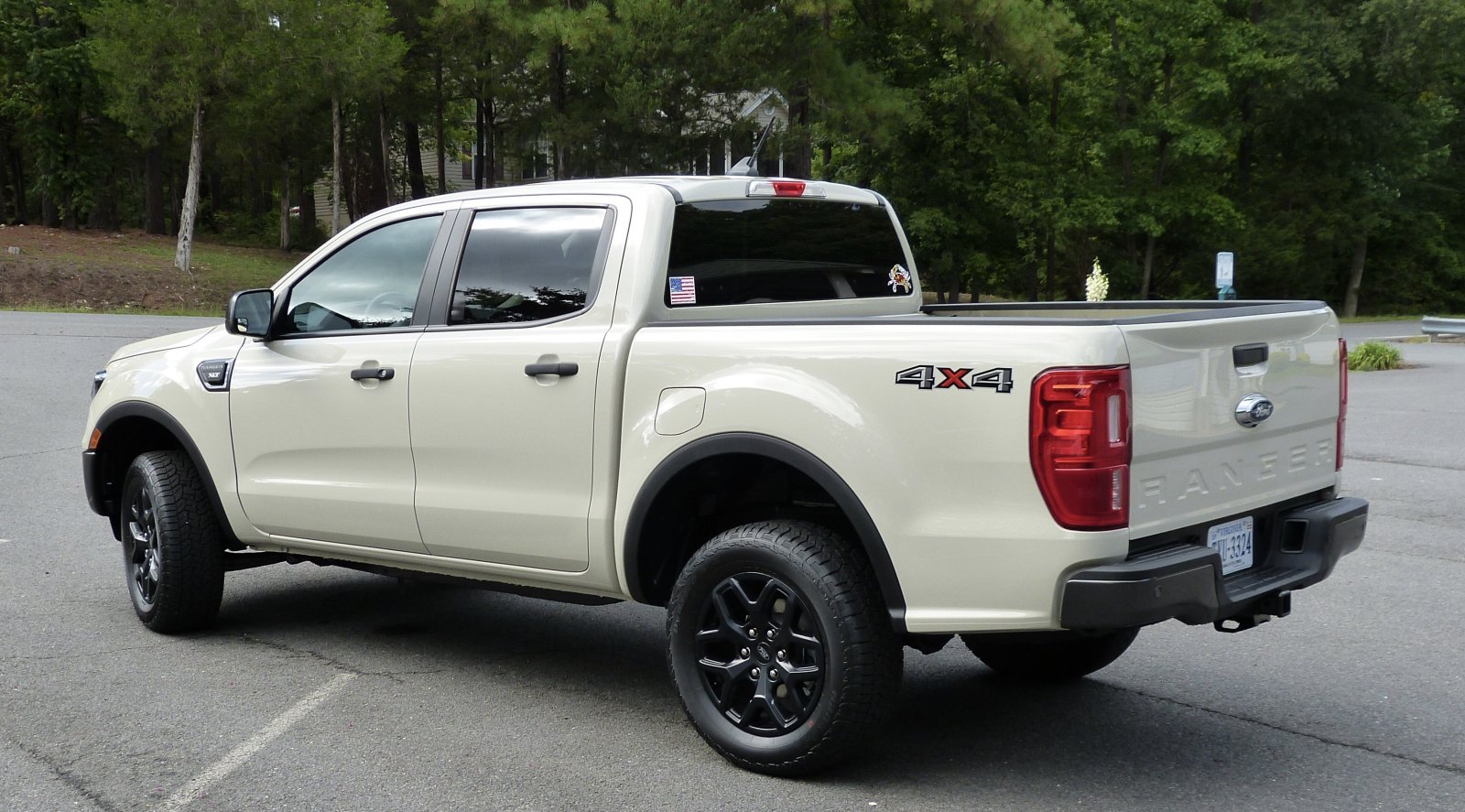
2022 Ranger Splash Desert Sand
- By Rangermrd,
- 0
- 0
- 1
-
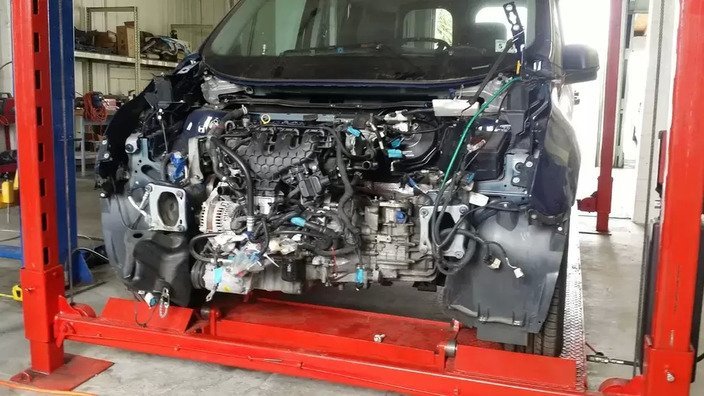
Performance Tuner Connects
- By LostInTransit,
- 0
- 0
- 7
-
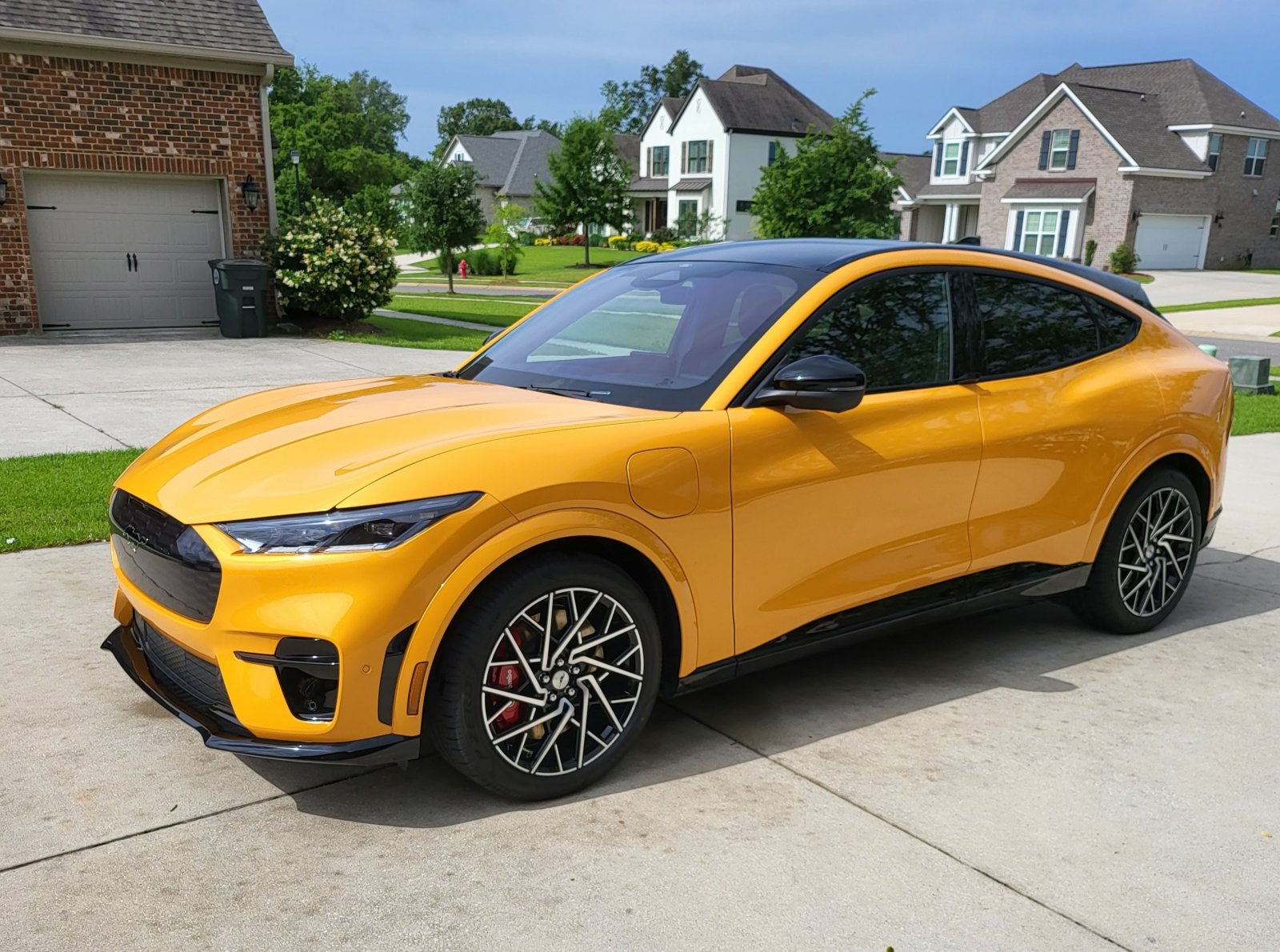
amtrucker22
- By amtrucker22,
- 0
- 0
- 1
-
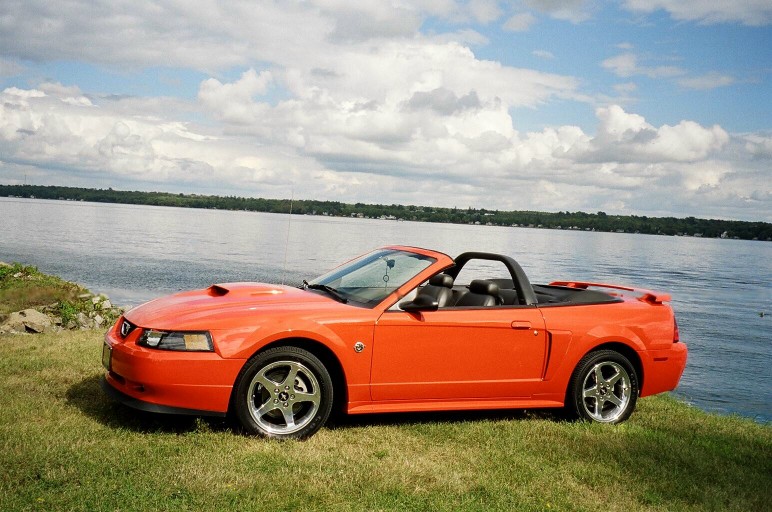
4 CRUZEN
- By 04GT,
- 0
- 0
- 4
-
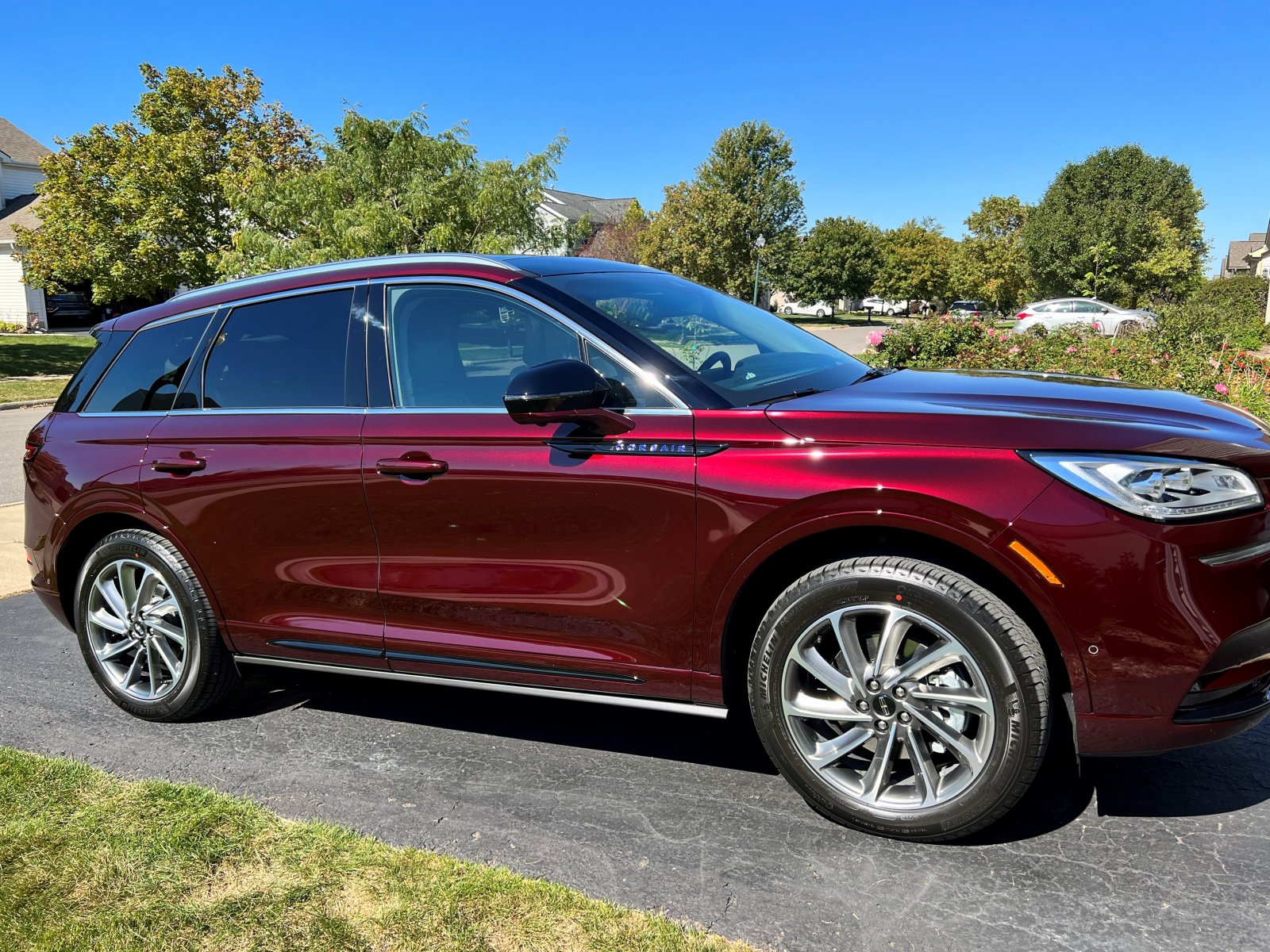
2021 Lincoln Corsair Grand Touring in Burgundy Velvet
- By RedHoncho01,
- 2
- 1
- 3
-

.thumb.jpg.2fe74e84fefafb52a4c53d822e3257f0.jpg)