-
Files
-
Popular Contributors
-
1

-
2

-
3

-
4
-
5

-
6

-
7
-
8
-
9
-
10

-
-
Posts
-
 The biggest issues I have seen from multiple sources are the wet oil pump belt which can degrade over time and cause major issues down the line. It looks like Ford has switched a few engines to this setup too and quite a few folks aren't happy about it due to the issues it has caused. Sounds like a pretty lousy setup. I would much rather a chain driven system. https://fordauthority.com/2025/09/1-5l-ford-ecoboost-engine-teardown-reveals-some-troubling-issues-video/ You can say it's "just content" but it really does look like a lousy setup and that they went cheap on the 1.5 I3. Just posting above as examples. In the Car Wizard's video he shows how it had a coolant leak too and was coming out of the turbo and the turbo being on back order. A car that young shouldn't have that many issues. Car Wizard isn't a Ford hater either he likes Fords and even had a Grand Marquis as a daily for a while. I remember when people first had issues with the 3.7 Internal Water Pump and the 2.0T coolant intrusion issues in the MKZ groups online and there were similar responses that it's all overblown and the 3.7 defenders saying they have 400k miles on theirs and still on the original water pump which I seriously doubt. Since then though those issues have become more and more prominent in those groups with people getting seriously pissed off that they have to get a new engine on their car that has 70k, 80k, 90k miles. Yeah the new 2.0T after 2019 fixed that issue so if they did replace the engine there shouldn't be any more issues like that but the damage and reputation are already done. No fix on the water pump for the 3.7 of course the defenders say "who cares if I have to drop 3k every 70k miles still better than replacing a turbo" and "it's just maintenance" I am just saying I think the 2.0T is a better engine all around for the BS and does NOT have the wet oil belt. I don't know I am just sick of hearing about how many issues newer Ford engines have and it's frustrating. I get it we are all on a Ford forum and we love our Fords and Lincolns and will defend them to the death but it gets hard to defend when so many issues have been popping up with their engines lately. Just my 2 cents on it.
 -
MPG ICE ratings also come from the mfr following very specific rules and procedures. EPA only does spot checks to verify the mfr results.
-
Upon further review I’m glad Ford cancelled this product. We at Oakville Assembly would’ve been in a bad predicament had they proceeded with the project. Super Duty overflow will generate more production I believe than that bland EV would’ve. In the short term forsure SD is better than that.
-
Yea, by the automaker. Automakers follow the rules defined by the EPA in 40 CFR 600 For EV Range Testing: A vehicle with a fully charged battery is driven continuously over the EPA city cycle until the battery is depleted and the vehicle can drive no further. The distance driven is recorded. This is repeated, again starting with a full charge, over the EPA highway cycle, again recording the distance driven when the battery is depleted. This “single cycle” test consists of multiple repeat drives of the city or highway cycle. Automakers also have the option of doing a multi-cycle test, which consists of four city cycles, two highway cycles, and two constant speed cycles.* All testing is done in a laboratory on a dynamometer. The city and highway driving ranges determined from this testing are adjusted to account for real-world factors that are not represented on the laboratory test procedures. These factors include such things the impact of air conditioning, of cold temperatures, and of high speed and aggressive driving behavior. Although the regulations allow some optional approaches, the most common approach is to use a factor of 0.7 to adjust all the test parameters, including range. For example: An EV achieves 200 miles on the highway laboratory test. Real-world highway driving range → 200 x 0.7 = 140 miles to account for aggressive driving and HVAC use. The adjusted city and highway range values are weighted together by 55% and 45%, respectively, to determine the combined city and highway driving range that appears on the EPA fuel economy label. For example: Assume an adjusted city range of 168 miles and an adjusted highway range of 140 (from example above). The official combined range value → (0.55 x 168) + (0.45 x 140) = 155 miles (values are rounded to the nearest whole number).
-
By ScottLeonard · Posted
I use a system with integrated anti sway and the difference is felt immediately. -
not hard to see edit: played with proportions more to make it look more like the airflow graphic they showed in that presentation.
-
Are EV range estimates determined by the automaker, or does the EPA determine the estimates? (Seems the EPA wouldn’t since there’s no tailpipe emissions). I wonder what the range difference is between highway and city driving.
-
makes me think that the sketch they showed here was deliberate and not a red herring then. Doug Field design style?
-
the fact that he seems to like how the skunk truck looks concerns me
-
My job probably precludes owning an EV until charging improves (if I could charge in <10 minutes I could make it work) but I do genuinely like hybrids a lot. I feel like it captures a lot but not all the advantages of an EV without the drawbacks.
-
-
Topics
-
-
Top Downloads
-
-
Albums
-
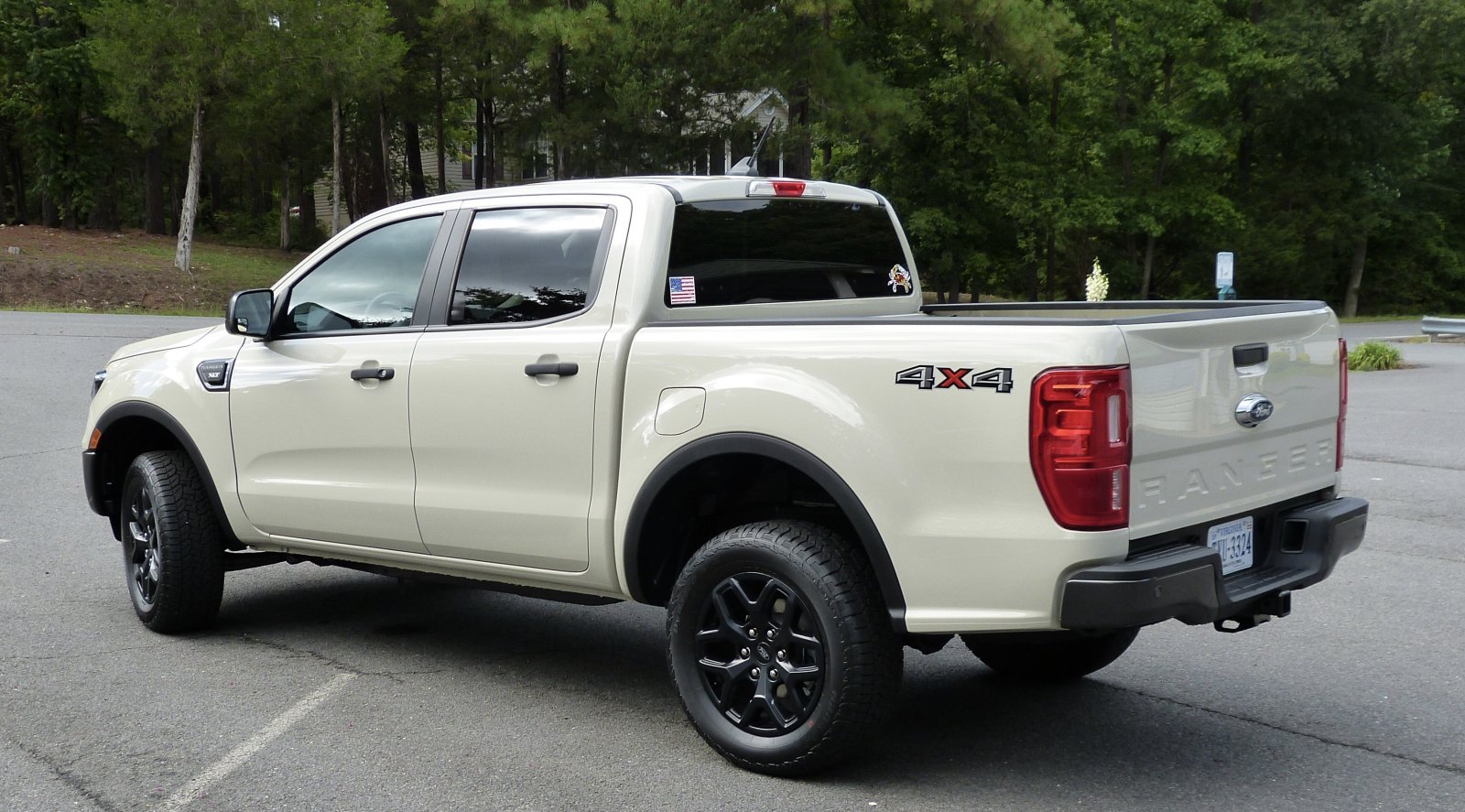
2022 Ranger Splash Desert Sand
- By Rangermrd,
- 0
- 0
- 1
-
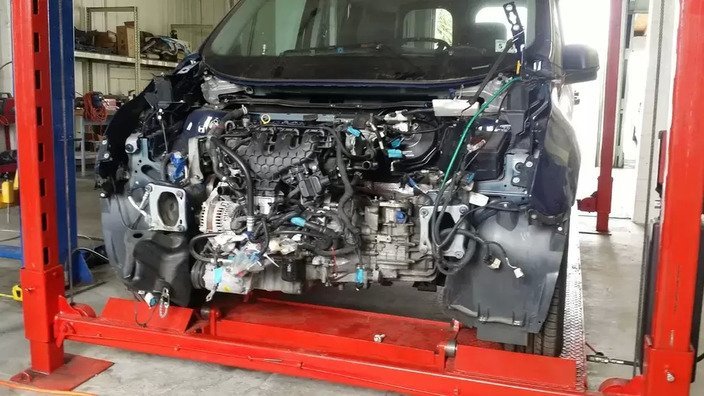
Performance Tuner Connects
- By LostInTransit,
- 0
- 0
- 7
-
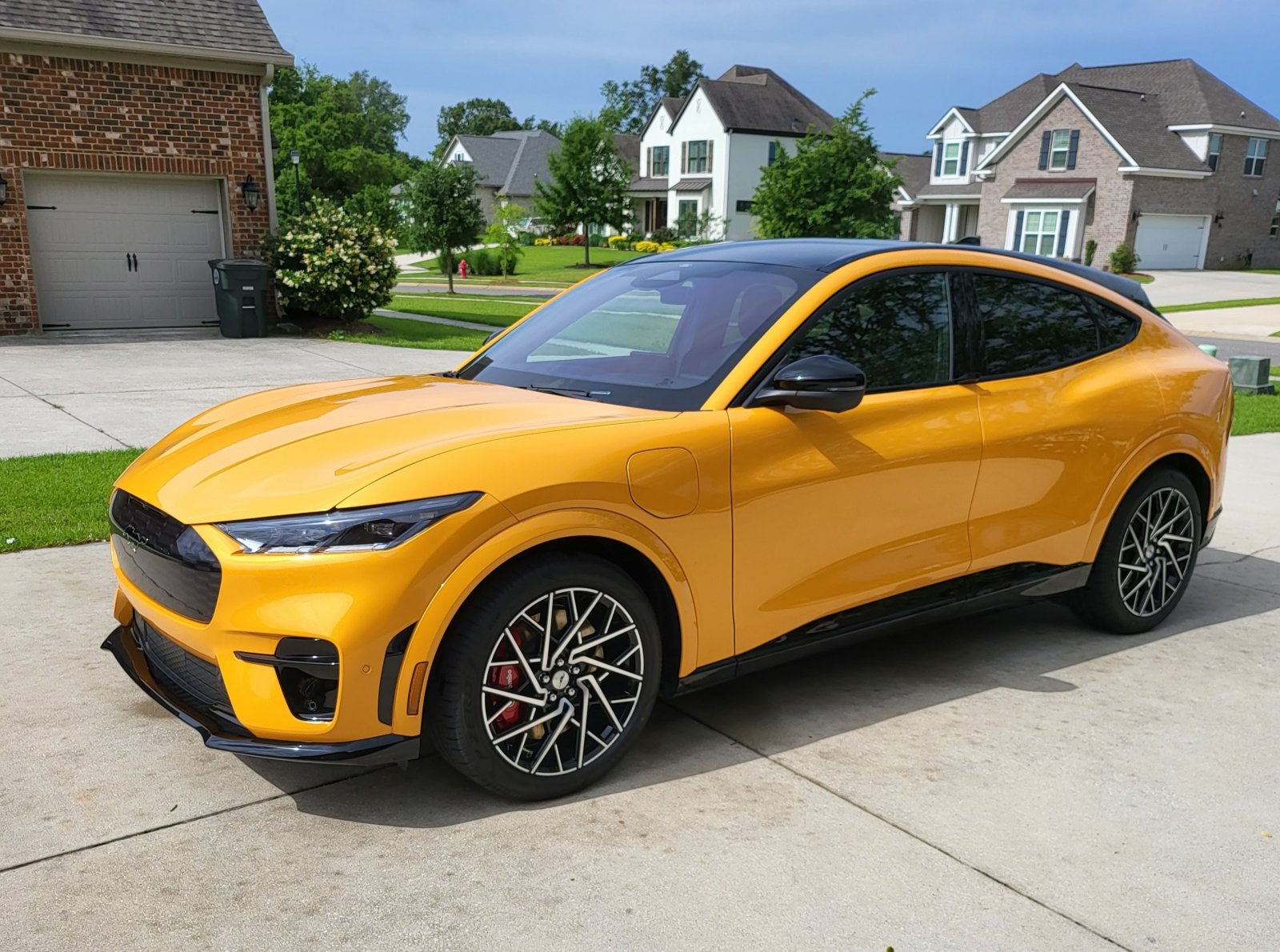
amtrucker22
- By amtrucker22,
- 0
- 0
- 1
-
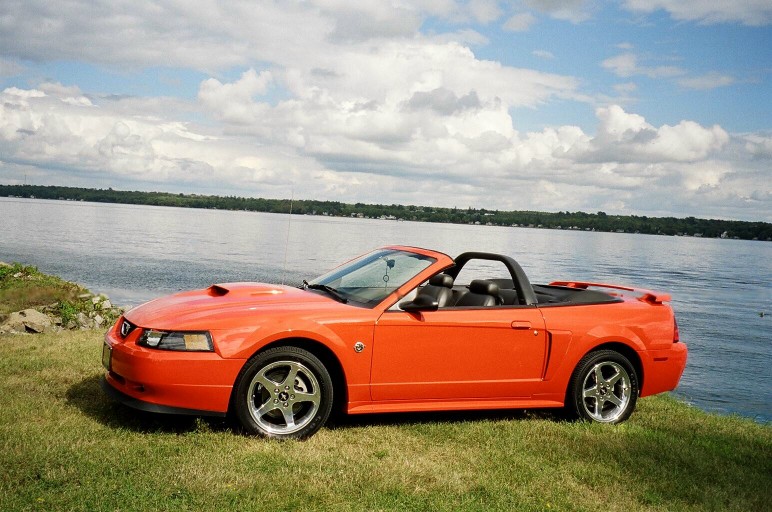
4 CRUZEN
- By 04GT,
- 0
- 0
- 4
-
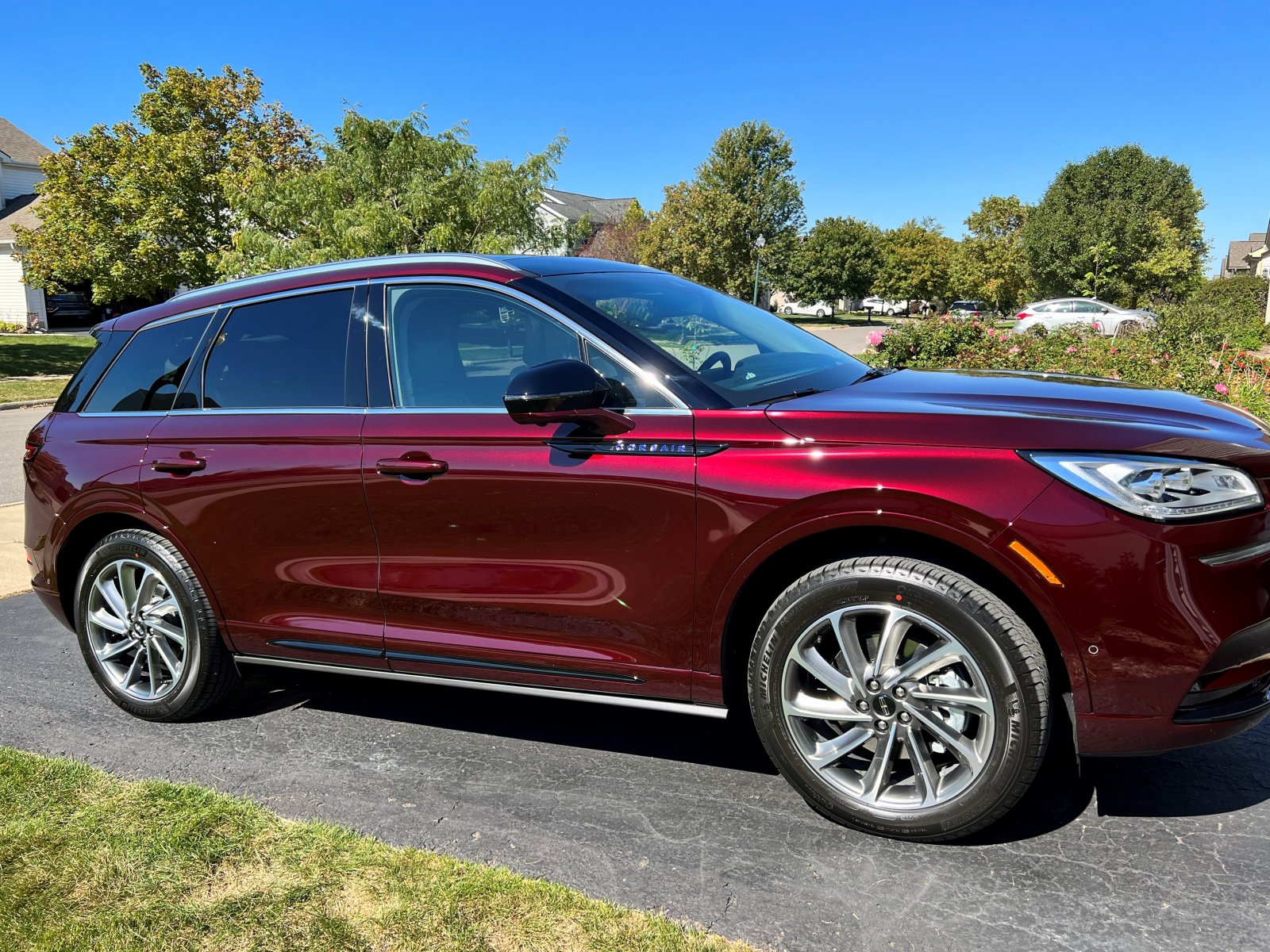
2021 Lincoln Corsair Grand Touring in Burgundy Velvet
- By RedHoncho01,
- 2
- 1
- 3
-