-
Files
-
Popular Contributors
-
1

-
2
-
3

-
4
-
5
-
6
-
7
-
8
-
9
-
10
-
-
Posts
-

By DeluxeStang · Posted
Yeah, I don't really love any of those top 4 options, they range between generic to tacky imo. This is the one I was thinking of that I thought looked fun, but a little more classy. The orange and area 51 combo won't work for everyone, but I dig it. -
the first two are custom garage packages. They aren’t great. The free wheelin isn’t a custom garage bronco, but it’s just another ugly design. I’m not sure if the Bronco Wild Fund (last pic) was ever sold or if it was just a concept/sema build, but it’s got some of the worst wheels I’ve ever seen. You could add the stroppe in there too as a questionable design, although I like it better than the ones above. I don’t mind the RTR bronco but that neon is a bit bright. They’ve had some nice ones too though. The trail rig bronco is one of my favorites and I like the riptide as well. I think it also goes to show how well ford did with the original broncos. The wildtrak in its original form (with painted roof before it got cancelled.) is a great design. Filson has also grown on me since seeing unfiltered photos. im surprised that ford hasn’t released a model that mimics the reveal bronco. It still has one of the best interiors on a Bronco and looks pretty cool on the outside too. A black heritage package seems like a no brainer too.
-
By DeluxeStang · Posted
I think they're getting too lost in the sauce and getting too carried away with how to personalize the bronco. They're so focused on figuring out if they could that they're not stopping to think if they should to quote Jeff Goldblum. Some of the trims aren't terrible. There was on in an area 51 style color that had like dessert tan/orange graphics that looked pretty badass to me. So it's hit or miss. -
Two panes of glass seems like a weird choice. I’m not sure that’s making production. We’ve seen the rear glass before.
-
All the custom garage broncos have been underwhelming or downright ugly. They need to get some new designers.
-
-

By Sherminator98 · Posted
A friend of mine said it looked like a Barbie Bronco-I get where they are coming from... -
By Sherminator98 · Posted
Yeah that is whole point...not that exactly agree with it, but its armor will be speed. They will have a more armored/covered verison, but it won't be as armored as the say the Humvee or JLTV. -
By DeluxeStang · Posted
Guys, if even I'm not trying to over analyze these latest images, I'm pretty sure it's a lost cause lol. Let's just wait until we get more details. -
Another reason to add SD to Oakville and potentially a hindrance to increasing Navigator production.
-
-
Topics
-
-
Top Downloads
-
-
Albums
-
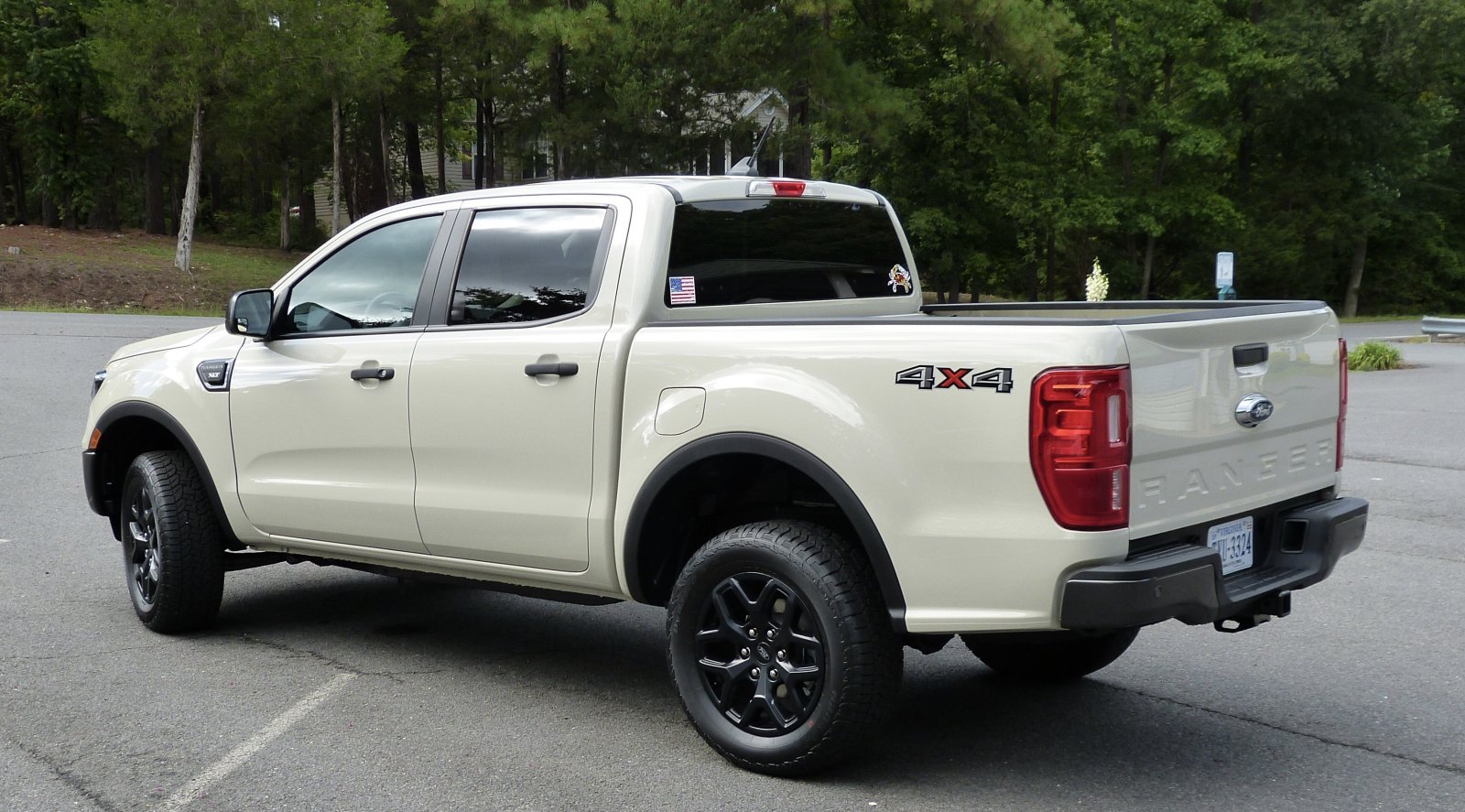
2022 Ranger Splash Desert Sand
- By Rangermrd,
- 0
- 0
- 1
-
Performance Tuner Connects
- By LostInTransit,
- 0
- 0
- 7
-
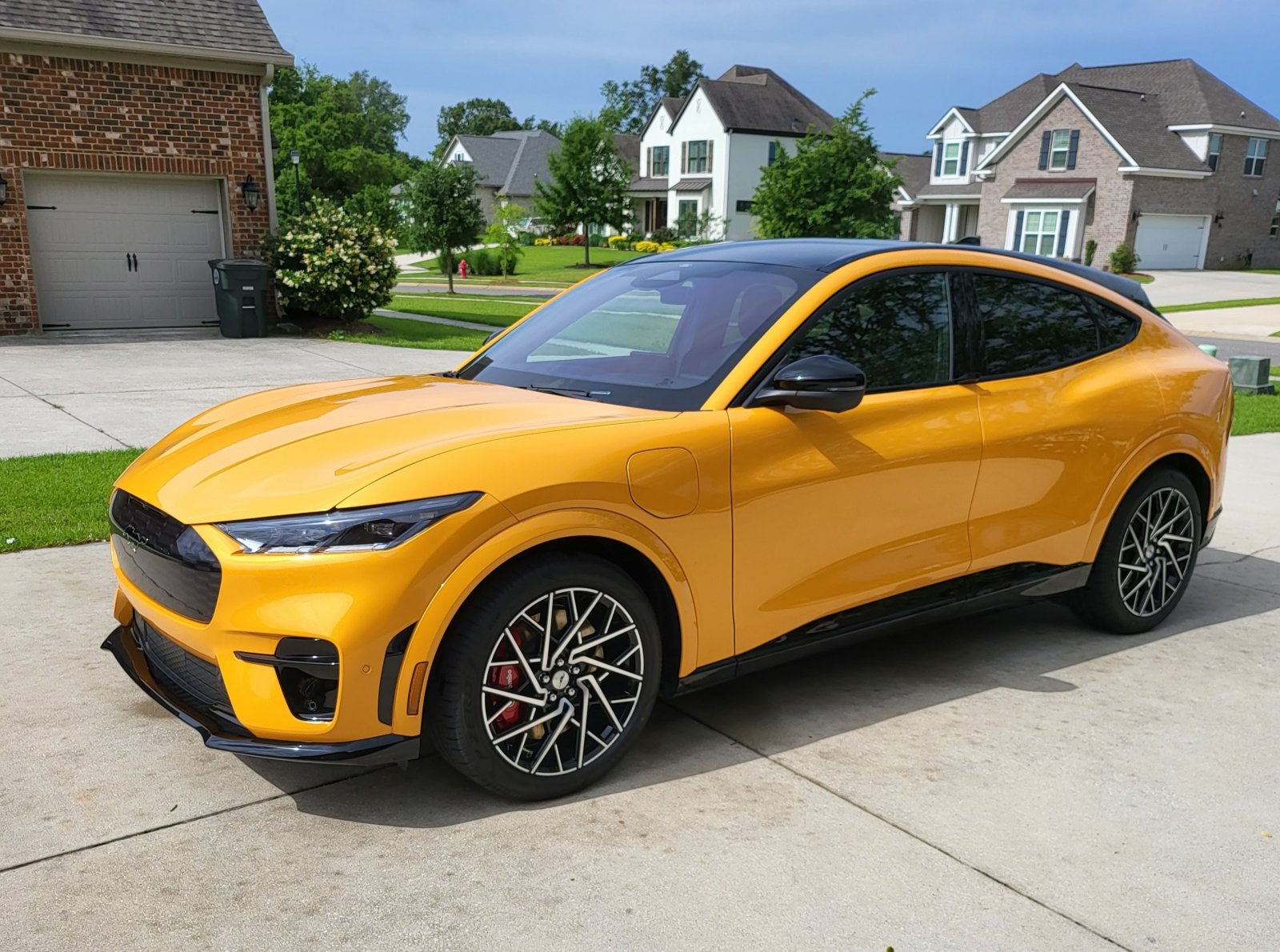
amtrucker22
- By amtrucker22,
- 0
- 0
- 1
-
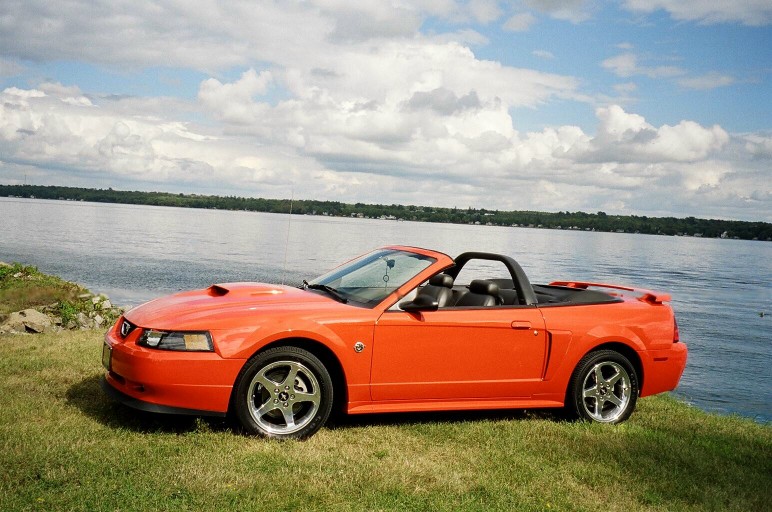
4 CRUZEN
- By 04GT,
- 0
- 0
- 4
-
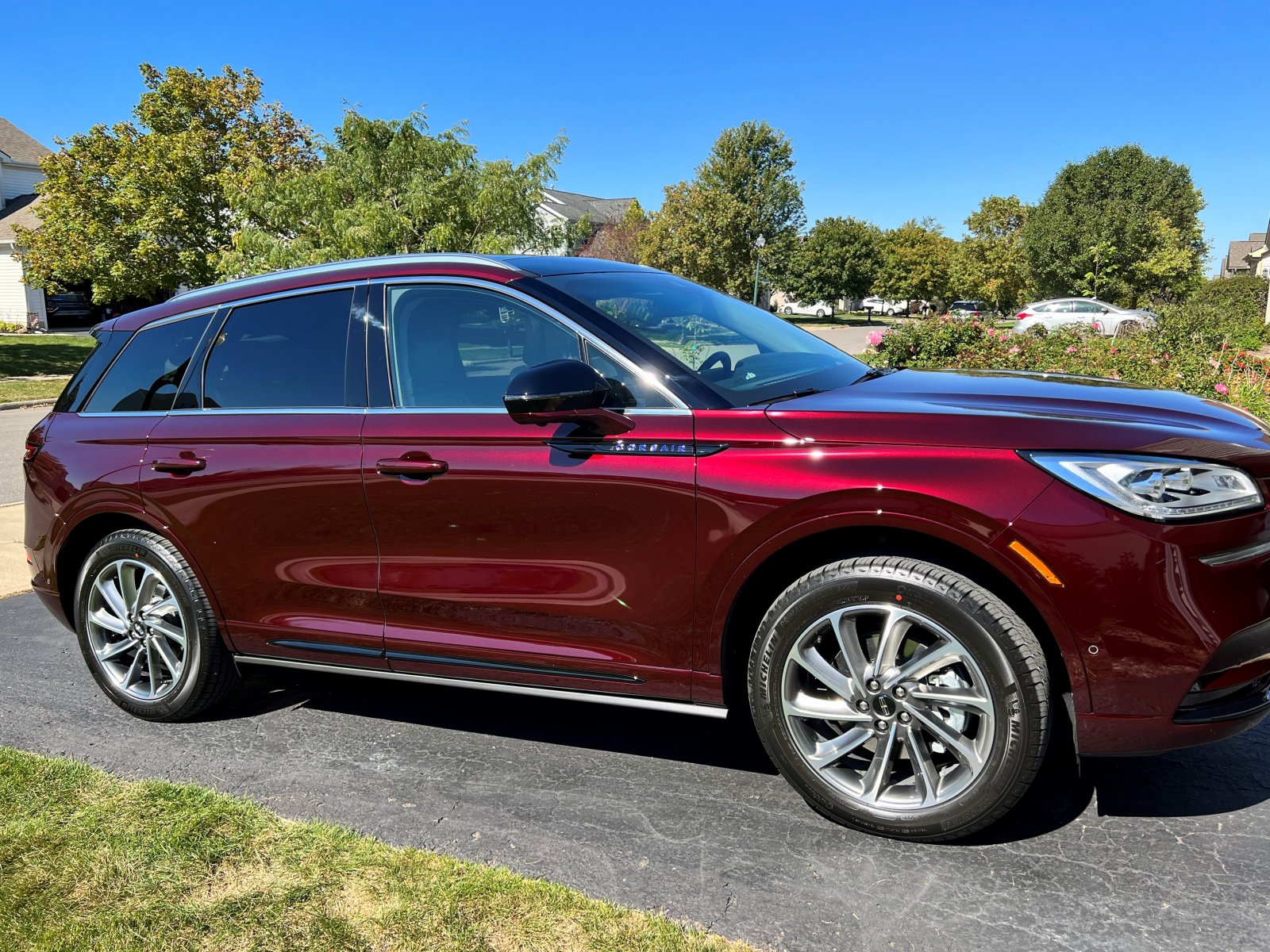
2021 Lincoln Corsair Grand Touring in Burgundy Velvet
- By RedHoncho01,
- 2
- 1
- 3
-