
-
Files
-
Popular Contributors
-
1

-
2

-
3
-
4

-
5

-
6
-
7
-
8
-
9
-
10
-
-
Posts
-
My mom test drove one a few years back just to drive it (she wanted to drive a Hellcat to see, but they didn't have one).....man it was like a time warp in that vehicle.....still had the old mouse fur headliner, old switchgear, tech, etc....
-
You mean the R1 or the R2? R1Ts and R1Ss are all over down here too - they're a good looking product. Haven't seen an R2 yet, though.
-
It'd be nice, but yeah, I see the 3.0 replacing the 2.7 as a more likely scenario. I see them pushing the hybrid out to the redesign at this point...
-
While I know Ford is aiming for a "zig while others zag" approach by offering a trucklet, I'd argue that the utility would be more appealing to a broader swath of customers. That said, Maverick did really well, and perhaps better than expected, so I think they're hoping to recreate that lightning in a bottle. I do think we'll see some overlap of Maverick customers, given the similar form factor. Another thing to consider, Maverick came out when Ford already had a full crossover lineup at the time too, so there wasn't space for an additional utility unless you went subcompact, whereas Ford currently has a massive void below Explorer where the "Mythic" crossover could fill in sales wise.....I'd almost argue they more likely to conquest existing customers with the Fathom instead of a crossover offering, at least with how their lineup is currently situated.....but that's a problem of their own doing/poor planning.
-
By fuzzymoomoo · Posted
I live near Ann Arbor now and I see those damn things all OVER the place. Especially The SUV. -
I'm skeptical they'd be able to shoehorn it in if it wasn't designed to accommodate a hybrid from the get-go. I know it's a C2 product, but that doesn't mean they designed the space for the components if they never planned on offering one in BS......and honestly, even if they did have space/planning for it, at this point in the lifecycle, I'd doubt they'd invest in adding it with a new model around the corner. Now if a next-gen model comes out without a hybrid offering, that's an absolute mistake. Re: Bronco - there was talk of a hybrid offering before it even launched, but it got canned to hit launch targets (ha!), so it was likely designed with a hybrid in mind......meaning it'd be easier to plug and play if it has the space was already allocated for batteries etc.
-
Yup....they'll add some small vehicle sales back whenever Corsair comes back ("2027" but no exact timeline yet....who knows if that means January 1st or March 15th), and whenever Fathom actually arrives.......until then they'll have to coast with the aging lineup until the slew of new products arrive in '28+ Meh....Ford hasn't had the best most consistent history of hybrid offerings either.....on again off again, leaving obvious models on the table (Edge, BS as you mention). Absolutely agree....I have to imagine they fix that with the next-gen model.....I think it's too late for the current model. Agree.........though I push back on the lack of cell production.....Ford has been using that excuse for decades. Hybrid sales are there - look at Toyota - yet Ford has never bumped up capacity enough and are always reportedly hybrid limited....
-

By Sherminator98 · Posted
Well I've seen headlines of the Bronco Getting a new powertrain in 2027, that could always mean the Bronco Sport 😛 -
Except they're not making one of those (a 2/3 door performance model) without a volume version......
-
-
-
Topics
-
-
Top Downloads
-
-
Albums
-
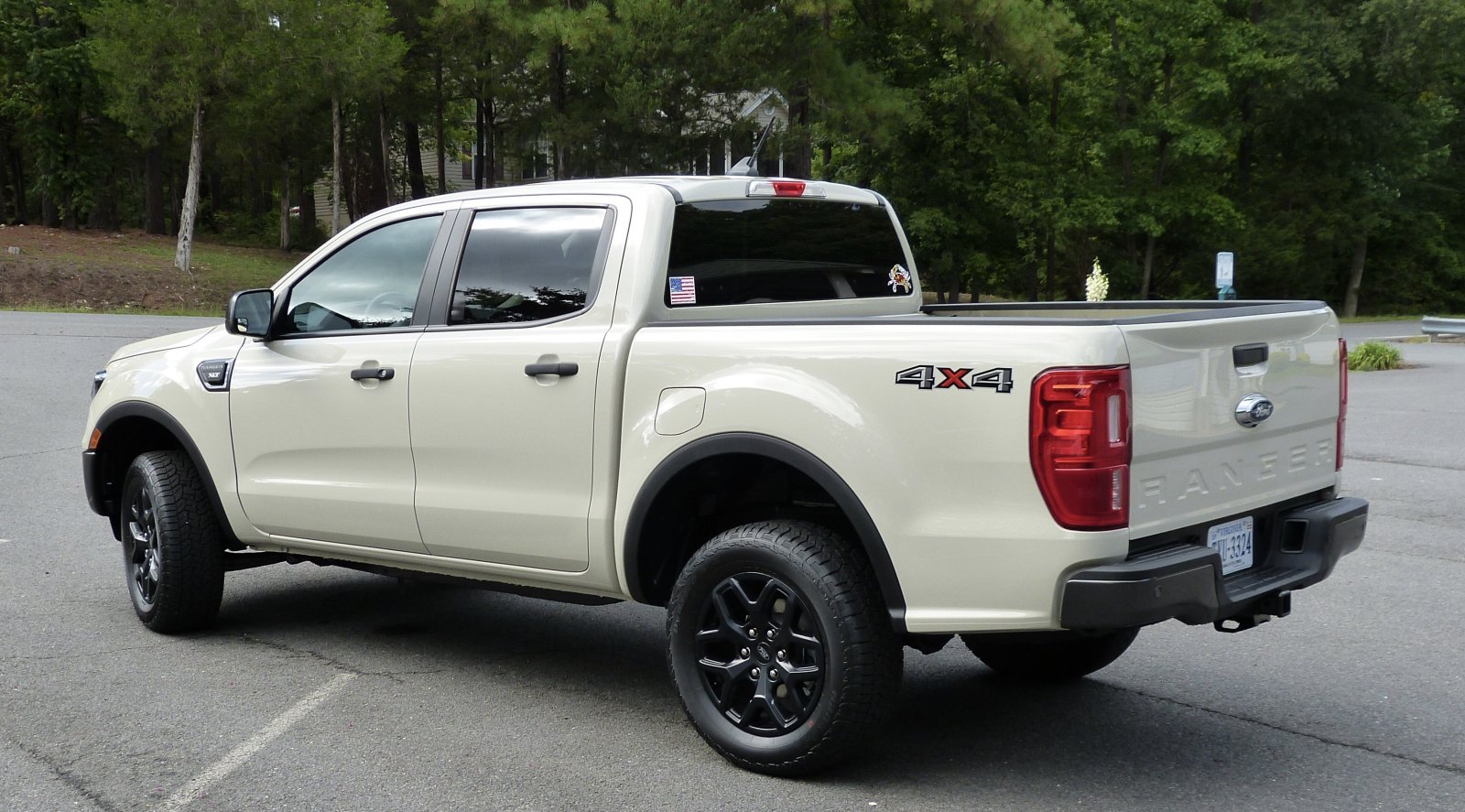
2022 Ranger Splash Desert Sand
- By Rangermrd,
- 0
- 0
- 1
-
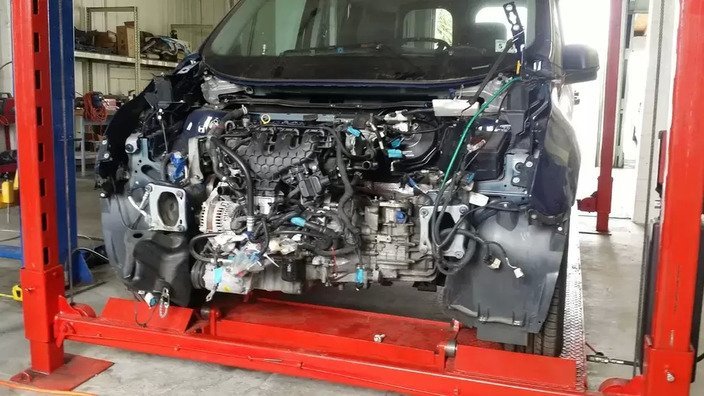
Performance Tuner Connects
- By LostInTransit,
- 0
- 0
- 7
-
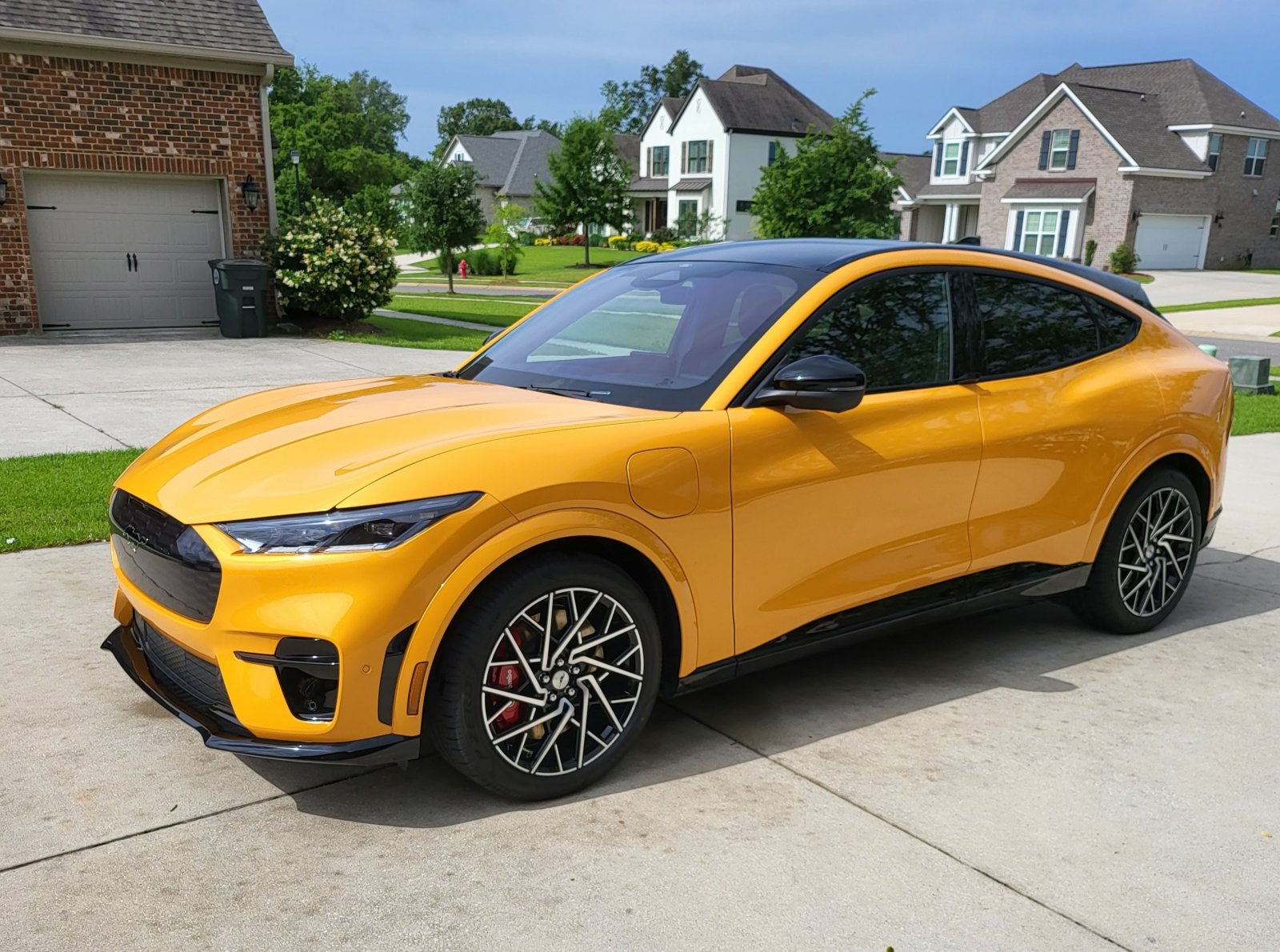
amtrucker22
- By amtrucker22,
- 0
- 0
- 1
-
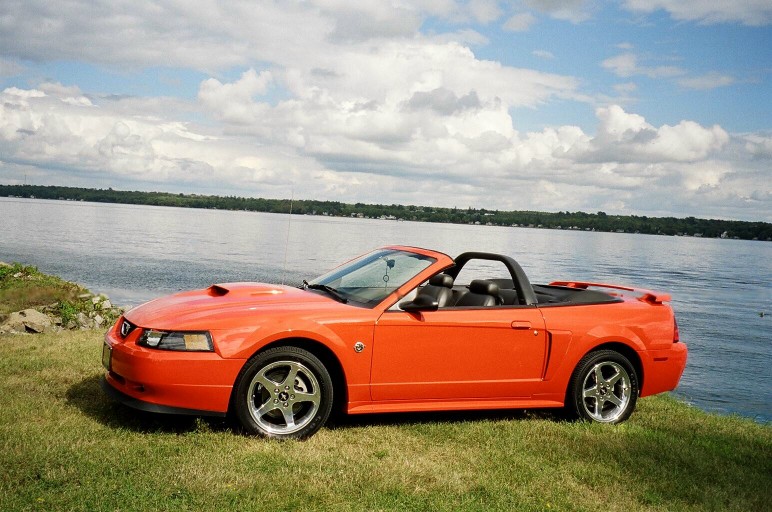
4 CRUZEN
- By 04GT,
- 0
- 0
- 4
-
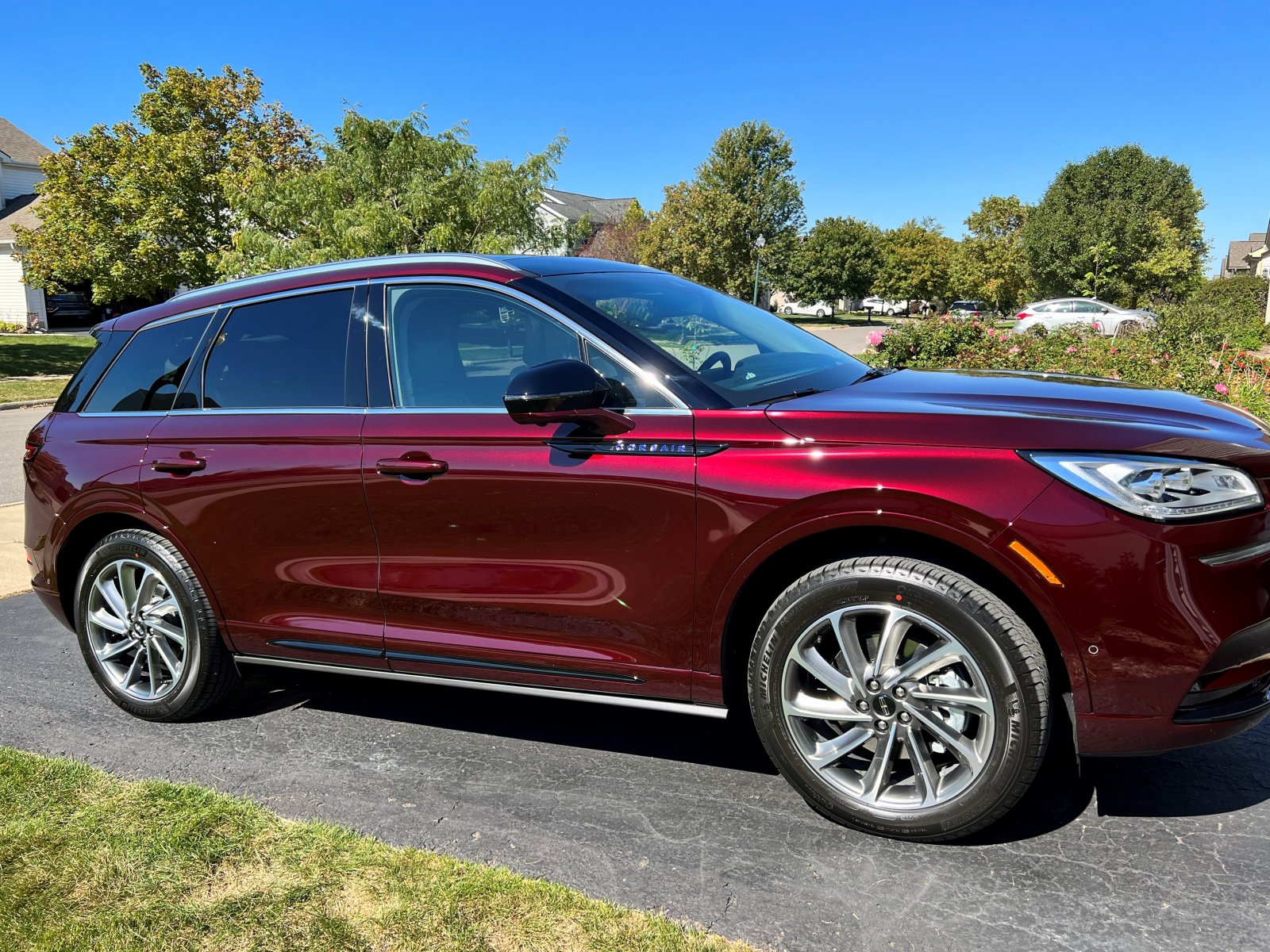
2021 Lincoln Corsair Grand Touring in Burgundy Velvet
- By RedHoncho01,
- 2
- 1
- 3
-
