-
Files
-
Popular Contributors
-
1

-
2
-
3

-
4

-
5
-
6
-
7
-
8
-
9
-
10
-
-
Posts
-

By Motorpsychology · Posted
The Ridgeline is built from Accord bones, which I think both will stay in production for now. The Ridgeline is more a suburban dad-truck that isn't going to see capacity payload or towing, just nice to have open carrying space now and then. Unless the new Xterra/Frontier and its licensed builds are significantly better than the Tacoma and the upcoming Ram "Dakota", it/they will further parse the pie chart for GM and Ford, leaving Tacoma largely unchanged. Ford is wise to move the NA Ranger into the F-Series family and going all in with the Fathom. I see a shakeout in the next decade, which at that time if everything today is true, there will be ten compact/midsize trucks in a relatively small market space. -
By blazerdude20 · Posted
Or does this rebadge become the new Ridgeline? -
By Motorpsychology · Posted
Strange Voodoo economics that sets prices. 91oct. around the Twin Cities 13-county metro area is $0.70-1.25 more than 87 (lowest oct. around here), which varies only about $0.20-25 with a few outliers that are higher or lower. -
 South West New America (New Mexico) Valero as of this morning 10-10-26: 85 Octane $4.49 91 Octane $4.99
 -

By twintornados · Posted
Bu..bu...but, HEMI!!!! -
Thanks so much for letting me know about this! I've considered the F-250, but it is larger and heavier than I need (the 2026 F-250 with standard bed is not available with the SuperCab) The camper that I'm planning on purchasing is light enough for the Ford F-150 XLT 4WD SuperCab with 6.5-ft bed, which has a 2,140 lb. payload. In fact, this camper was designed for half ton trucks. I would get one with the off-road package, which should have better suspension.
-
Stellantis should either drop the 3.6L Pentastar V6 back into the Charger or offer the 2.0L Hurricane 4 Turbo (from the Grand Cherokee). Part of the previous generation Charger's appeal was that you could get a decently powerful car without having to shell out a massive amount of money for more horsepower than you ever need. The 3.6L Pentastar V6 (with 300 horsepower) was a perfect compromise between power and affordability. The current generation's powertrain offerings make it cost prohibitive for a lot of people.
-
By twintornados · Posted
Other that not seeing them everywhere after you bought one.....🤣 -
Apparently gasoline isn't expensive enough yet. Why? Because 1) I continue to see fuel-guzzling pickup trucks racing up to red lights, then flooring it at green lights. Then they hit a lane of backed up traffic on a 4-lane secondary road so I pass them in my lane and wave to them! What did they gain? NOTHING! It takes a lot more fuel to bring a vehicle up to speed from a DEAD stop rather than a slow roll. I know when the lights are going to turn green and red. It also wears your brakes out sooner bringing a 1 or 2 ton vehicle to a DEAD stop. 2) On the highways they're doing 80 MPH. Then they hit a backup and I drive past them in my lane and wave! 3) I see my neighbors using their remote starters to start their cars when the outside temp is 55 to 75 degrees F! You're kidding, right? You mean they can't handle that range for a few minutes while driving? Even if it's colder or warmer than that range, the car will be comfortable after 5 to 7 minutes unless it's much below freezing outside! In extremely cold weather, I let the engine run for a minute, then SLOWLY proceed down my street. In summer, drive with the windows down initially; you'll get a little breeze. Yep, I wish gas was $10 a gallon. THEN we'd see a change in driving habits..........maybe. I shift into neutral on 6% or less downhill grades but only on dry pavement. My RPM's go down to 1000 or less. On some stretches of highway I can maintain 60 MPH for a mile and on secondary roads an average of 45 MPH for up to a half mile. I only recommend this for the experienced driver. I also back into parking stalls so it takes less time to pull out because you can see if any cars are coming more easily, thereby reducing creep time so less fuel consumption. It adds up over time. If possible I pull through a parking stall into the next one so sometimes I don't have to back in! If I do have to BACK in, it saves gas pulling out forward and safer because it's better to back in between two STATIONARY vehicles than back into MOVING traffic. When I'm lined up with where I'm going to park, I shut off the engine and coast the final 10 to 25 feet. I still have ample braking and steering capabilities since it's a hydraulic system. Can you do that with electric steering and/or braking in ICE cars? Anyway, the result? My car is only supposed to get 25 MPG avg., but I can eke out 31 MPG quite often. I've been known to get 125K -- sometimes more -- miles on a set of brakes on most of my vehicles. My wife had a 1996 Nissan Sentra with a 5 speed overdrive manual transmission and I could get 52 MPG with that car on the highway! I think the Nissan Versa still has it! BTW, all my vehicles -- 95% Fords -- have lasted 12 to 20 years and accumulated 250K to 480K miles and I never got rid of them because of repairs needed. It was because of life changes. That 480K car was a 1953 Ford Crestline that I drove to the junkyard. That was a mistake!
-
Yea, exactly. And that goes double for Lincoln (assuming as I mentioned earlier that the big shots actually want Lincoln to not only survive, but succeed). The complete lack of EVs in the Lincoln product lineup as of 2026 is inexcusable, though I'm cautiously optimistic UEV will rectify this by 2030.
-
-
Topics
-
-
Top Downloads
-
-
Albums
-
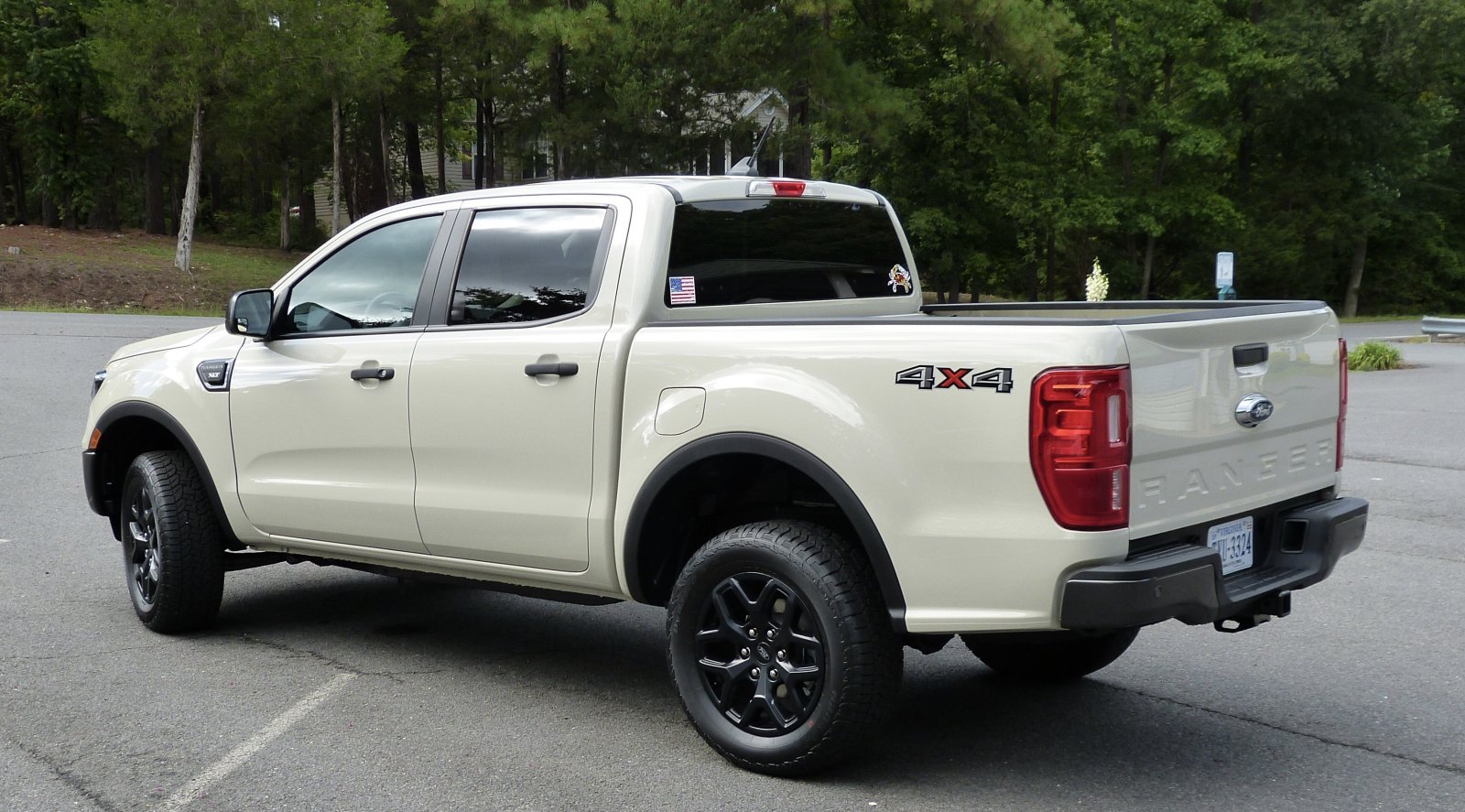
2022 Ranger Splash Desert Sand
- By Rangermrd,
- 0
- 0
- 1
-
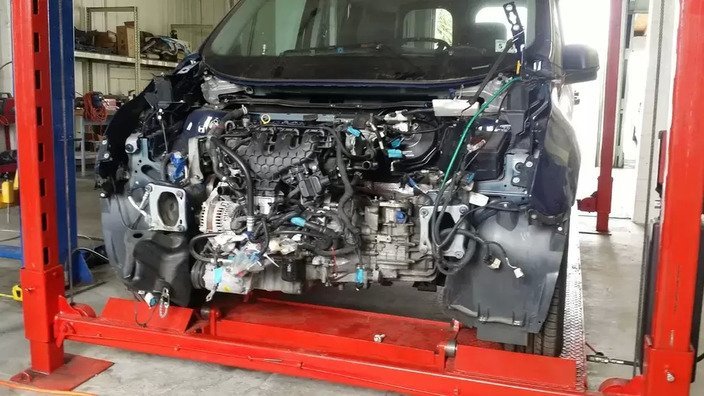
Performance Tuner Connects
- By LostInTransit,
- 0
- 0
- 7
-
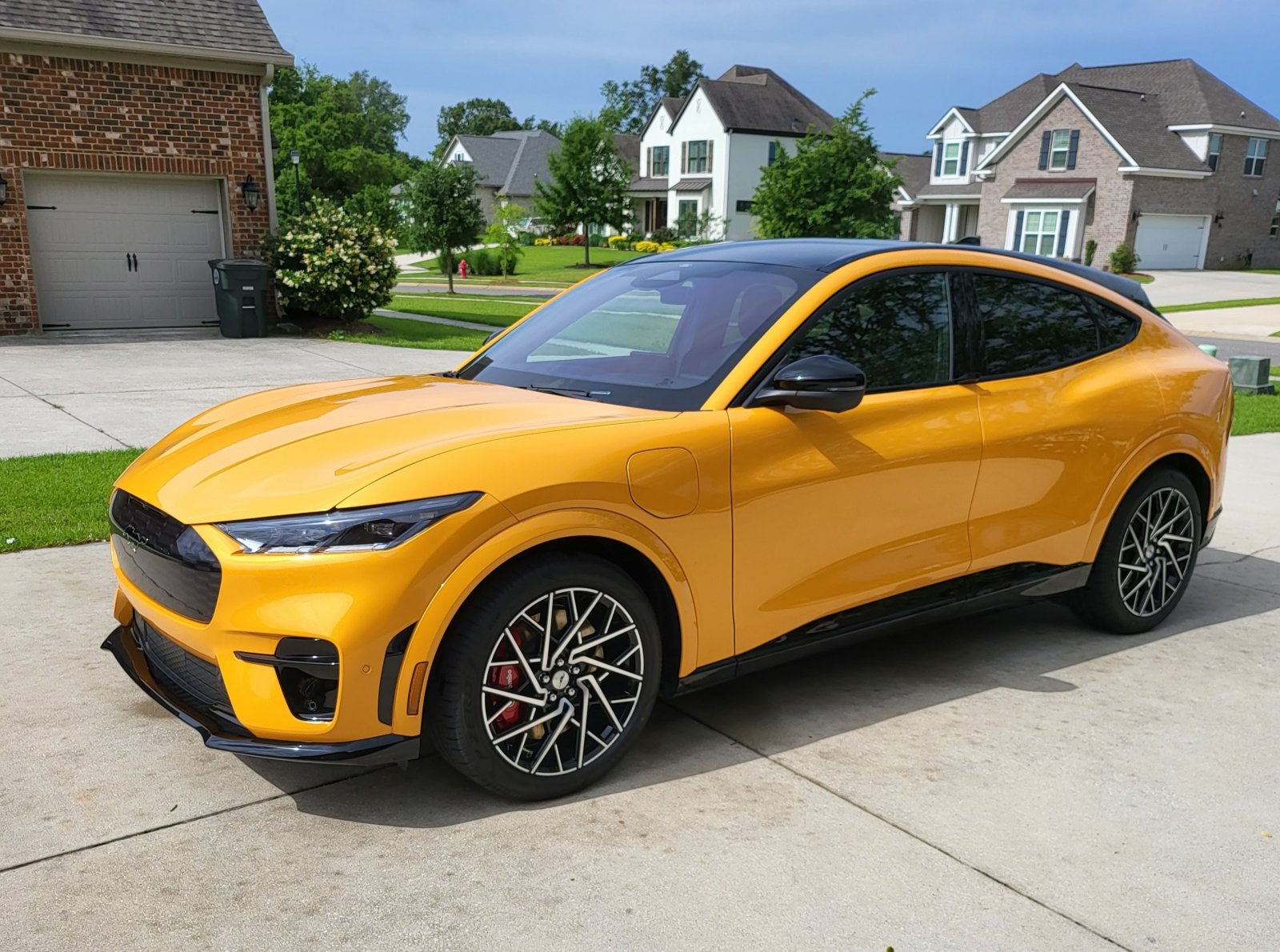
amtrucker22
- By amtrucker22,
- 0
- 0
- 1
-
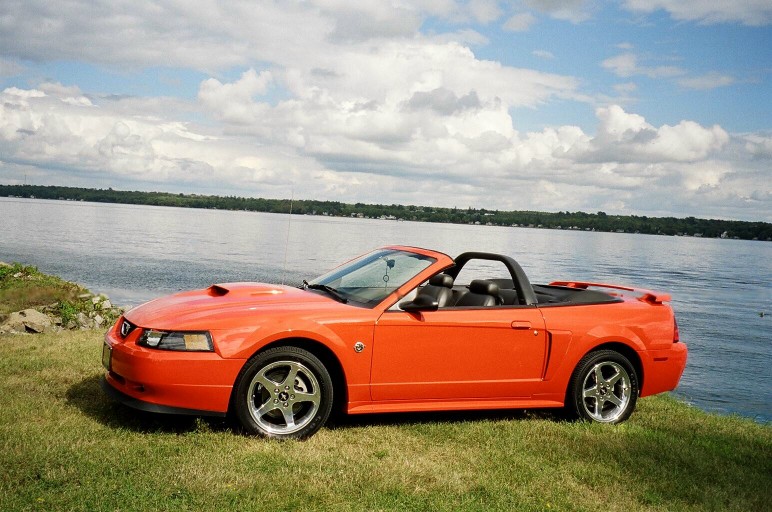
4 CRUZEN
- By 04GT,
- 0
- 0
- 4
-
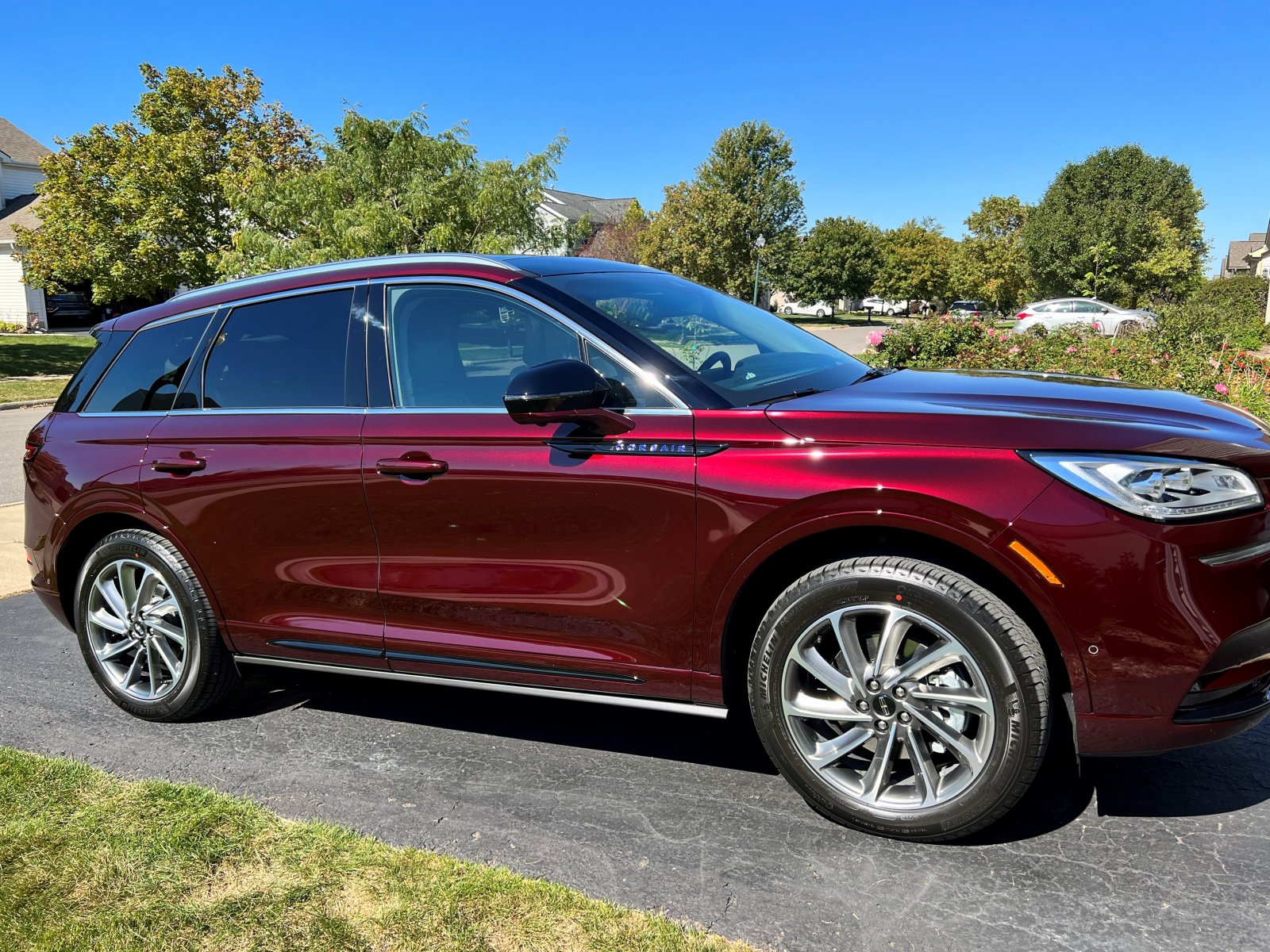
2021 Lincoln Corsair Grand Touring in Burgundy Velvet
- By RedHoncho01,
- 2
- 1
- 3
-