-
Files
-
Popular Contributors
-
1

-
2
-
3
-
4

-
5
-
6
-
7

-
8
-
9
-
10
-
-
Posts
-
By NH_Bulldog · Posted
Things have definitely slowed down. My 2022 was built on 3/23, shipped 3/24, arrived at the dealer 4/4 and I picked it up 4/5 just shy of 14 days from build to sitting in my driveway. -
For Sale: 6x6 Ford Truck Developed as an Amphibious Military Prototype Circa 1960
-
well you can also totally see the steering wheel and center Infotainment screen.
-
In the 1990s, Honda rebadged the body on frame Isuzu Faster pickup truck as the Tourmaster:
-
Yea, I know. Just dreamin' of what we could have if the big shots at Ford didn't cancel F-150 Lightning too soon. They planned to introduce a Tremor version before pulling the plug literally and figuratively. F-150 Lightning Raptor would have been the perfect next step to expand both the Lightning lineup and the Raptor lineup.
-

By Sherminator98 · Posted
That camo is interesting since it has a brownish tinge to it instead of the typical black and white color -
By Sherminator98 · Posted
It weighs more and doesn't put out as much power (vs the 5.2L V8)...we've had this talk already Its fine for a truck engine, not so much a Mustang. -
By Sherminator98 · Posted
Kinda hard to do now that they don't make that anymore. -

By DeluxeStang · Posted
Exactly. It's like Ford is seeing all the other brands making announcements, concepts, product releases, etc, and doesn't want to be left out. But their release is a new bumper on an expedition and someone else's is a really cool looking 800 hp EV hot hatch. That's why I keep saying give us concepts. Basically every other brand does, and it does nothing but help them. It builds excitement, even when concepts are revealed years in advance. It gives brands useful feedback and time to iterate. Yet Ford really seems to hate the idea of doing concepts this last decade or so. It's sad. Like I'd love if Ford followed gm's example and did futuristic mustang design studies like what he did with the Corvette. Even just something like that. But they refuse. -
Yea, for sure. F-150 Lightning Raptor would be nice too
-
-
Topics
-
-
Top Downloads
-
-
Albums
-
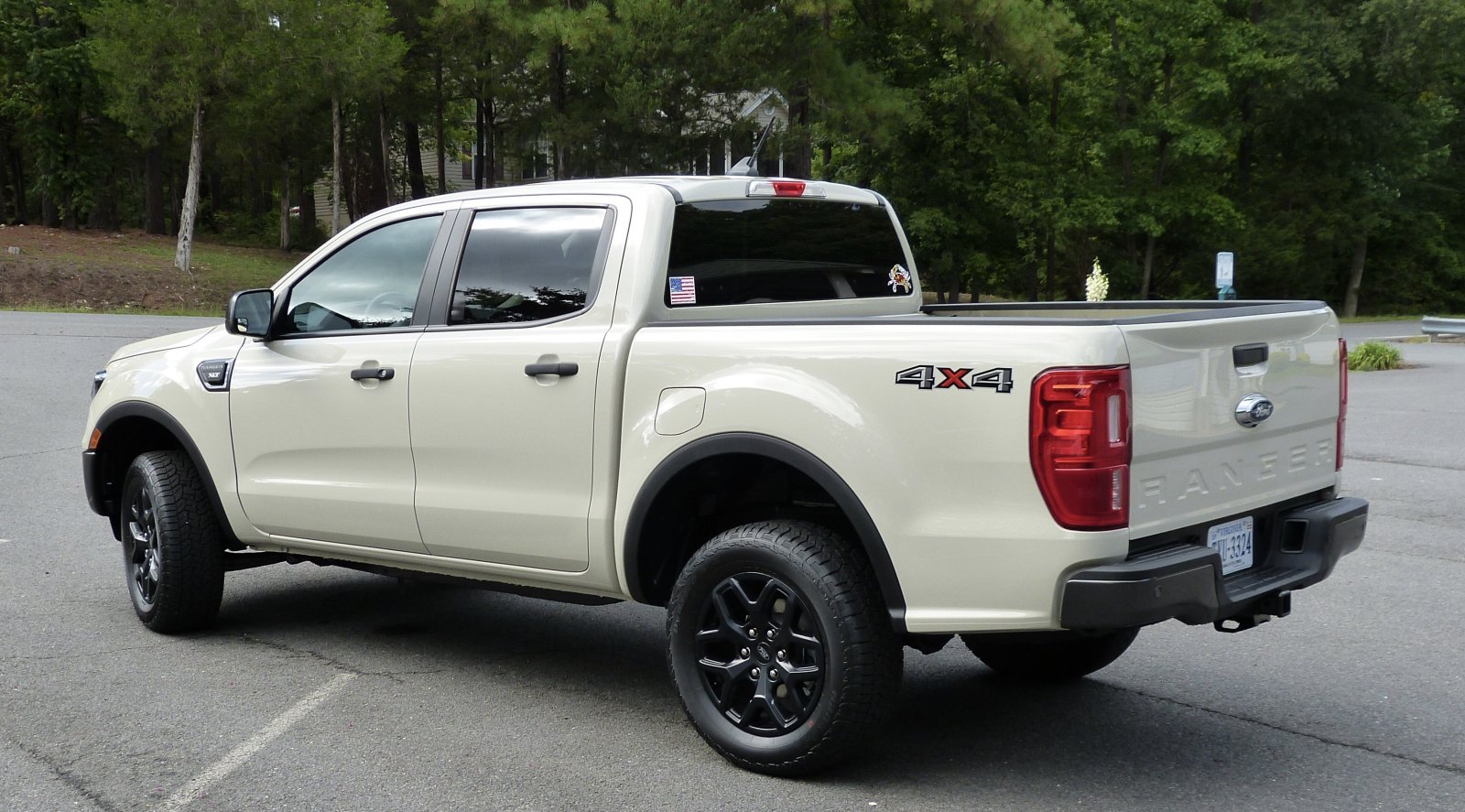
2022 Ranger Splash Desert Sand
- By Rangermrd,
- 0
- 0
- 1
-
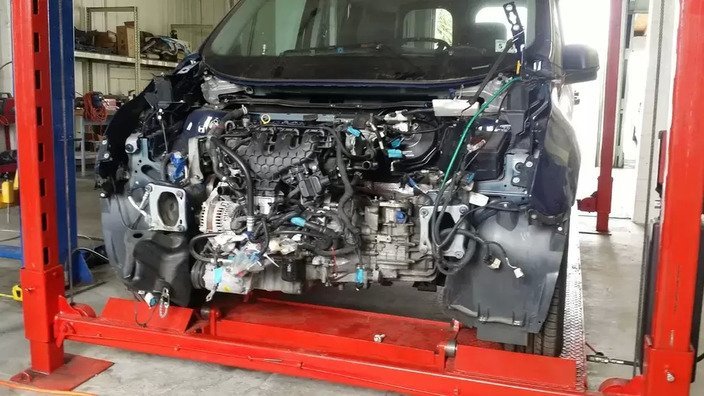
Performance Tuner Connects
- By LostInTransit,
- 0
- 0
- 7
-
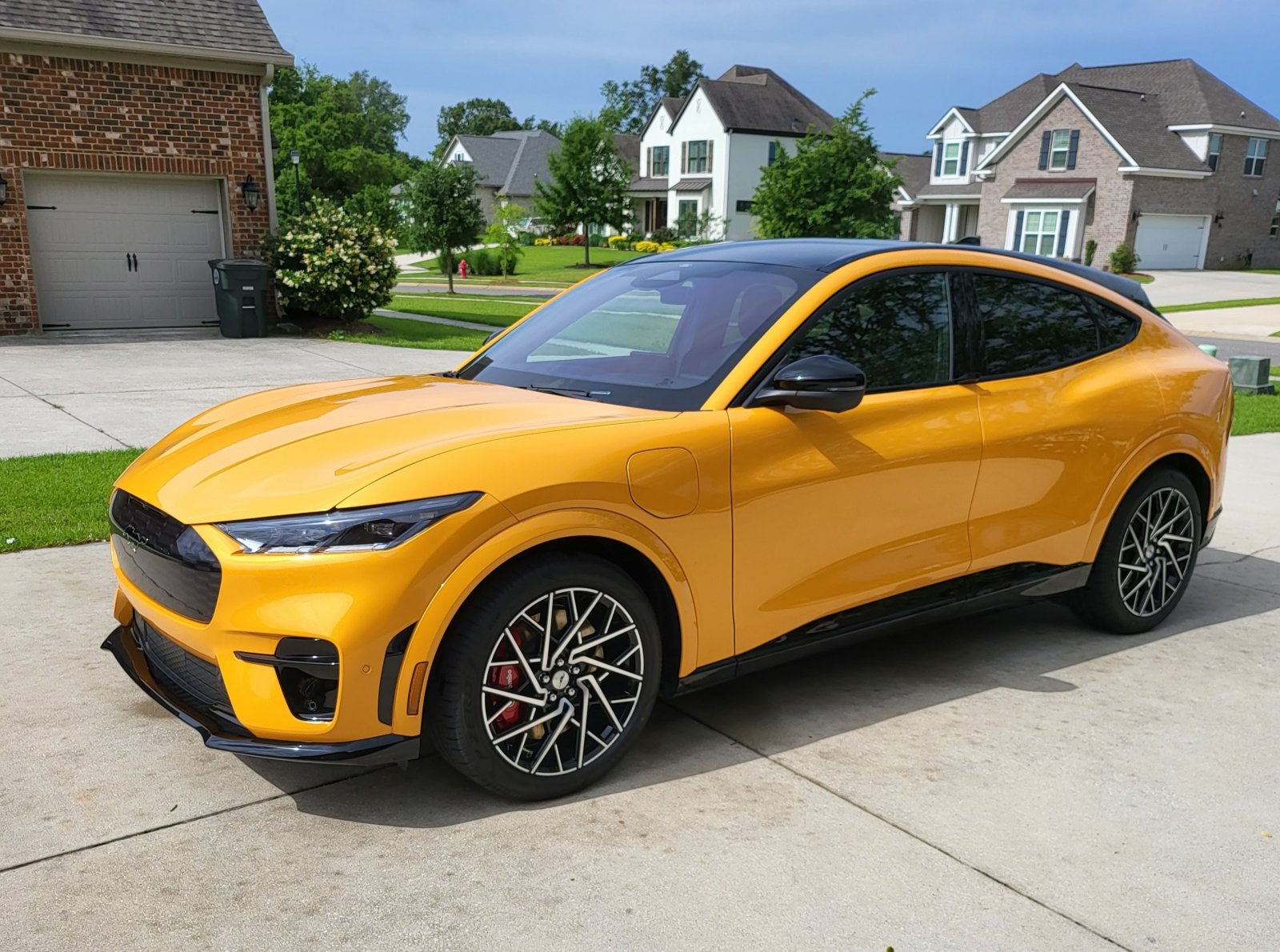
amtrucker22
- By amtrucker22,
- 0
- 0
- 1
-
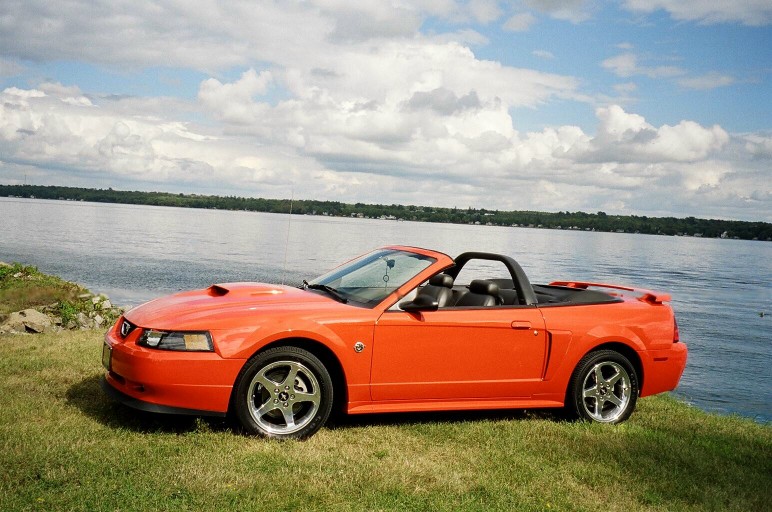
4 CRUZEN
- By 04GT,
- 0
- 0
- 4
-
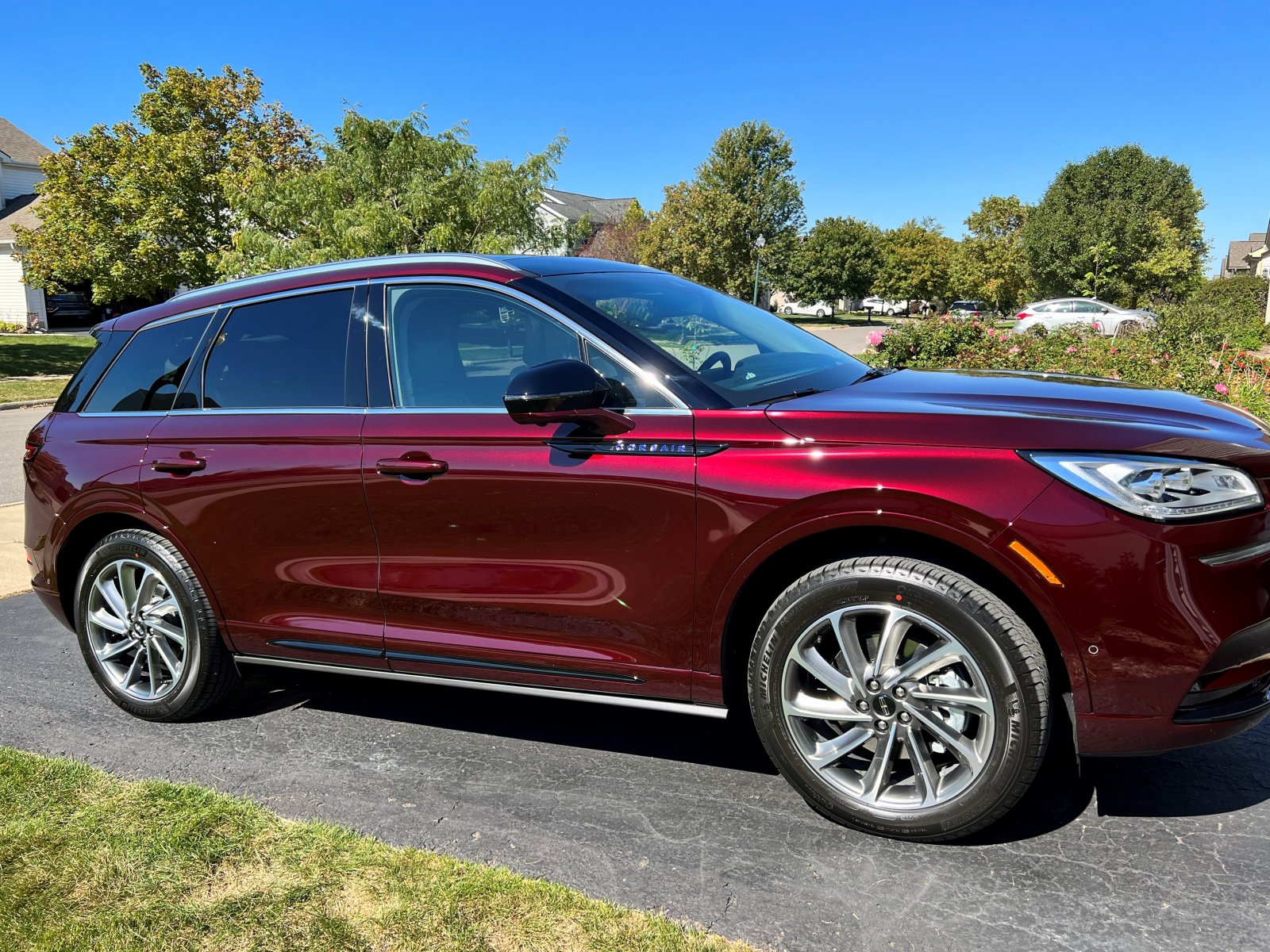
2021 Lincoln Corsair Grand Touring in Burgundy Velvet
- By RedHoncho01,
- 2
- 1
- 3
-

.thumb.jpg.2fe74e84fefafb52a4c53d822e3257f0.jpg)