-
Files
-
Popular Contributors
-
1

-
2

-
3

-
4

-
5

-
6
-
7

-
8

-
9

-
10
-
-
Posts
-

By fuzzymoomoo · Posted
Toyota also isn’t out there throwing out lofty production goals. They never really have. They’re wise enough to see there’s still a place in EV land just not at the numbers being thrown around 5-6 years ago. Sometimes being last to the party isn’t all that bad. -
By fuzzymoomoo · Posted
Agreed. That’s what it should have been from launch IMO. -
Looks like more Tremor rival than Raptor.
-
That's what my 2018 xlt looks like. Seems appropriate as a base version.
-
Standard instrument cluster in XL and STX F-150 was decontented for 2026 model year: For comparison, here is the standard instrument cluster for 2025 model year XL and STX:
-
-

-
By twintornados · Posted
I heard a rumor that it will debut on Grindr... -
By DeluxeStang · Posted
I believe they're referring to the flagship Rivian EV that was gonna be called Continental. -
By DeluxeStang · Posted
Agreed, apparently it was very good looking, styled by the same guy who did the s550 and this Lincoln was his best work yet apparently. I always finding myself wishing when brands have really great designs like that for them to repurpose them into something else, but it never happens.
-
-
Topics
-
-
Top Downloads
-
-
Albums
-
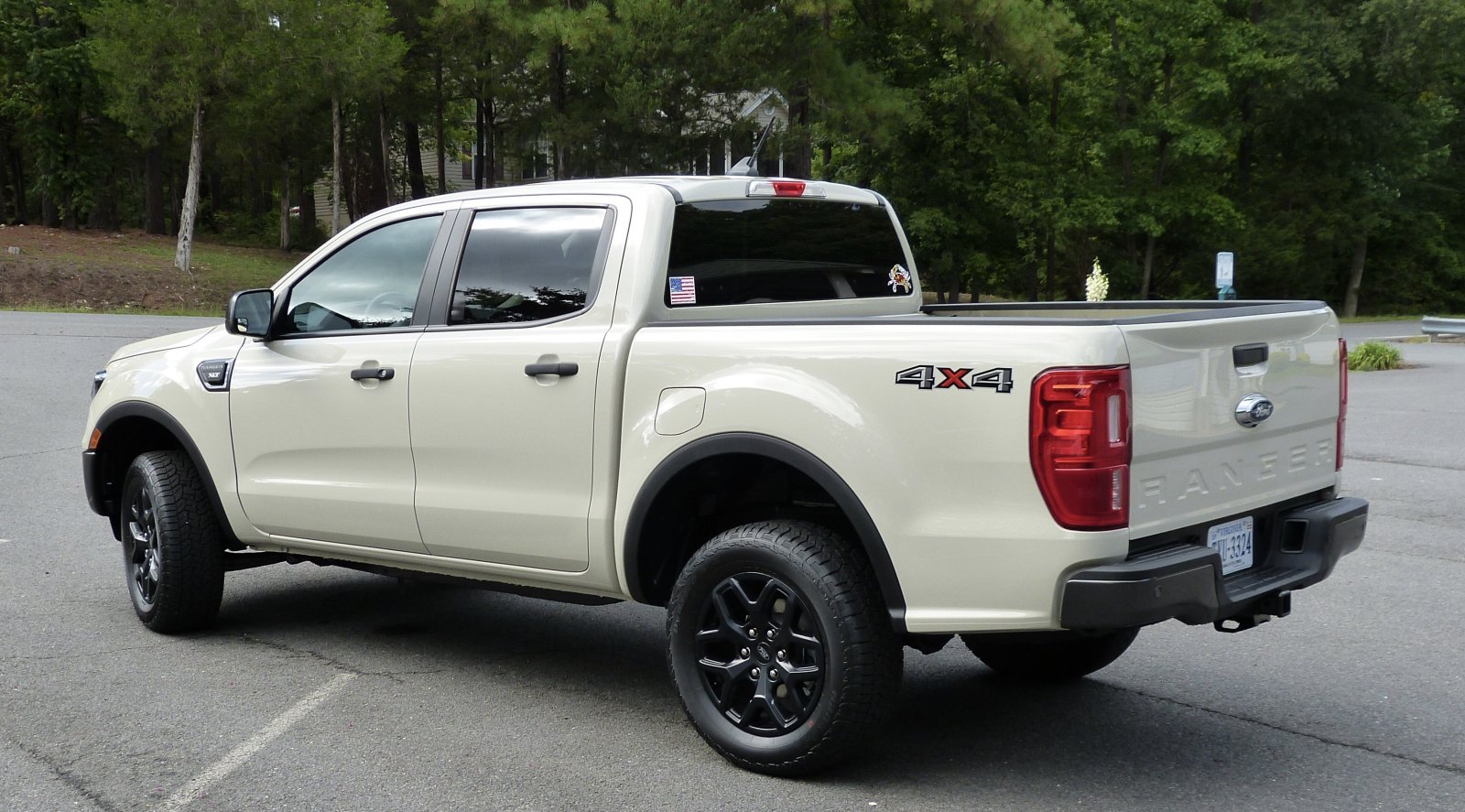
2022 Ranger Splash Desert Sand
- By Rangermrd,
- 0
- 0
- 1
-
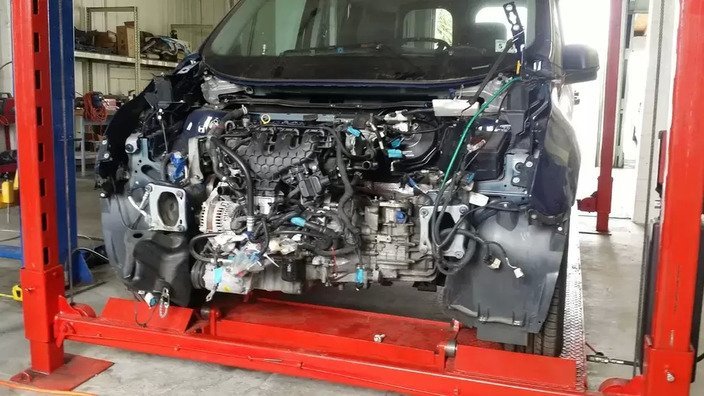
Performance Tuner Connects
- By LostInTransit,
- 0
- 0
- 7
-
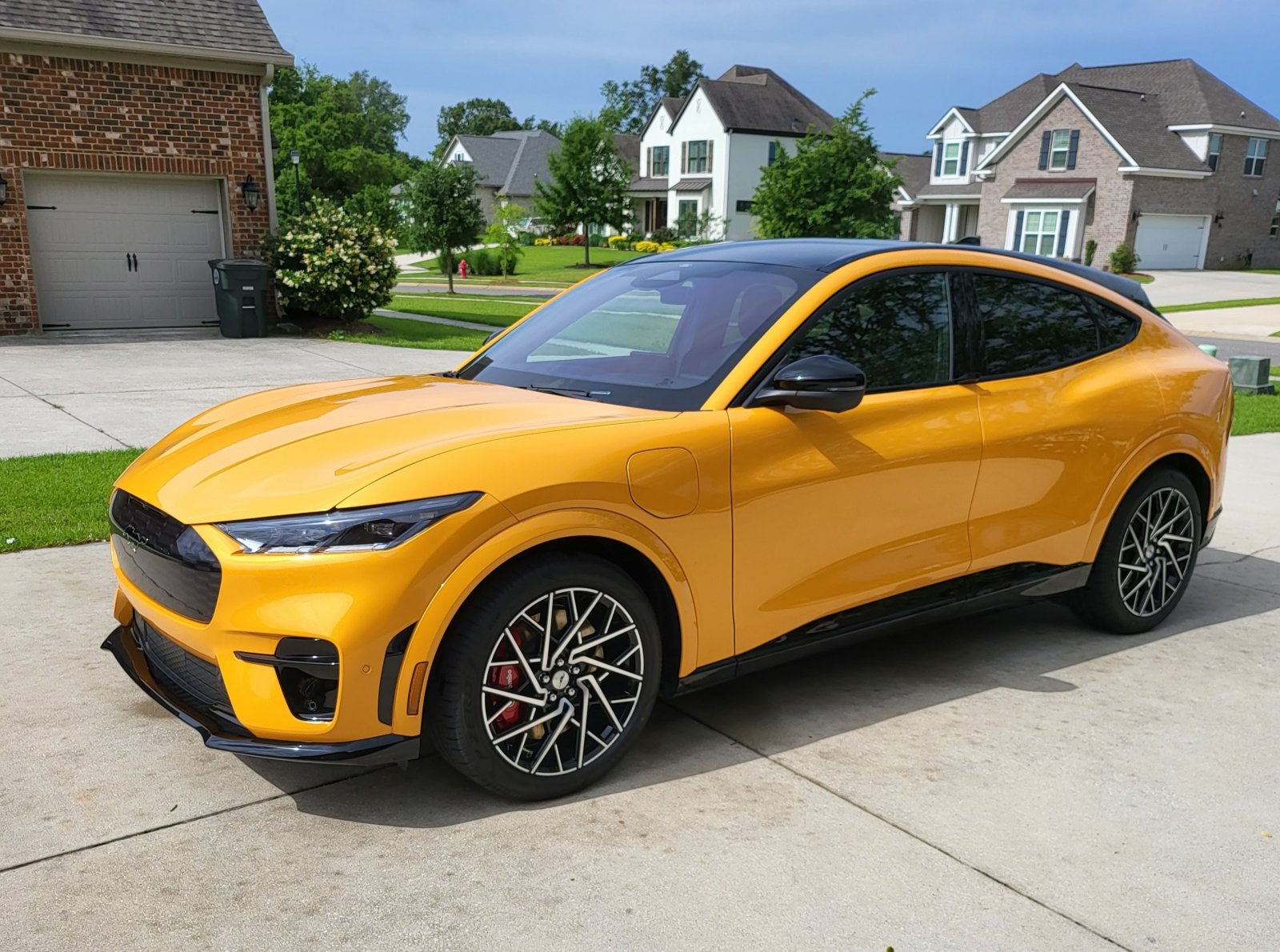
amtrucker22
- By amtrucker22,
- 0
- 0
- 1
-
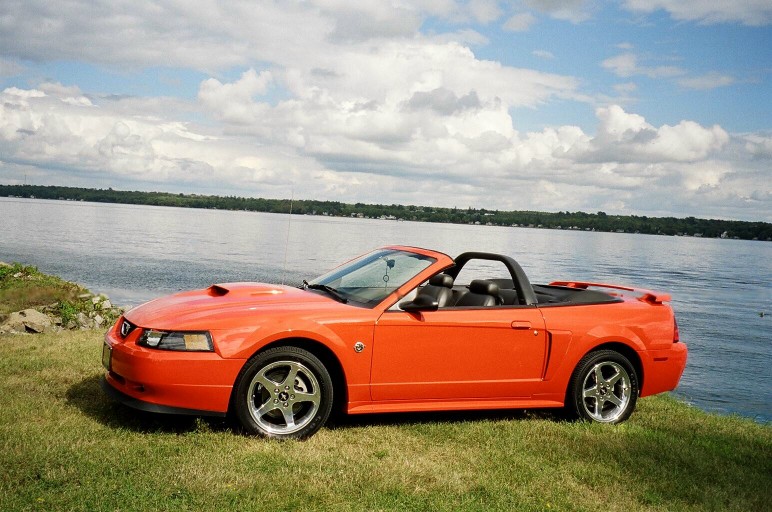
4 CRUZEN
- By 04GT,
- 0
- 0
- 4
-
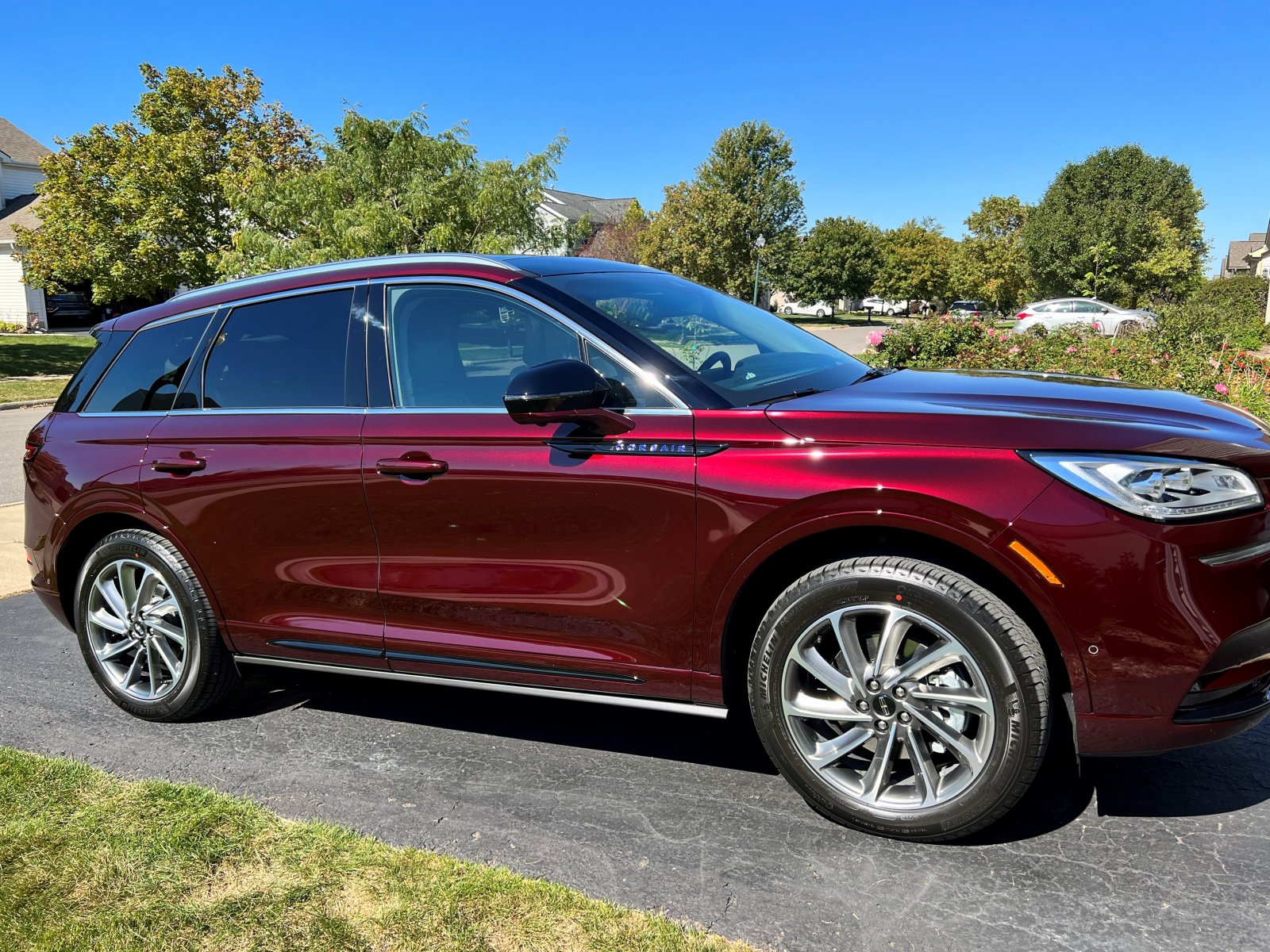
2021 Lincoln Corsair Grand Touring in Burgundy Velvet
- By RedHoncho01,
- 2
- 1
- 3
-