-
Files
-
Popular Contributors
-
1

-
2

-
3

-
4
-
5

-
6

-
7
-
8
-
9
-
10
-
-
Posts
-
EREV is a flawed compromise by definition, tow vehicles or not. For a next gen Ford F-100 or F-150 to be introduced in the late 2020s, the proper approach would be to take advantage of continuous improvement in pure EV design and engineering so that a single propulsion element, the electric motor, is tightly integrated with more efficient utilization of battery cells, which extends electric range, which obviates the need for a Plan B, an internal-combustion engine. As costs for batteries continue going down and EV charging infrastructure continues to expand, the case for EREV keeps gettin' weaker and weaker. Even in China, the only market where EREV ever came close to being considered a "success" thanks to government incentives from them Commies, the direction is clear: In 2024, EREV sales [in China] exceeded one million units, with 23 brands offering models. However, in 2025, growth has slowed. Li Auto, the brand largely credited with popularising the EREV approach in China, has seen its sales fall sharply for five consecutive months and has now shifted focus toward pure electric vehicles. The decline in EREV sales is closely tied to improvements in pure electric vehicles (EVs). Three main factors are contributing to this trend: Longer EV range – The average range of newly launched EVs in 2025 exceeds 500 km, with some models surpassing 600–700 km, approaching the range of conventional fuel vehicles. Expanded charging infrastructure – By the end of 2024, China had 12.82 million charging units, representing a 49.1% year-over-year increase, with fast-charging stations of 120–180 kW becoming increasingly common. Lower battery costs – Goldman Sachs projects that battery costs will fall to 99 USD/kWh in 2025, 40% lower than in 2022, allowing EVs to reach cost parity with fuel vehicles without subsidies. As a result, the core advantage of EREVs, mitigating range and refuelling concerns, is diminishing. While EREVs may continue to serve areas with limited charging infrastructure or users who prioritise “absolute range freedom,” their role may increasingly become a niche choice. Future developments in solid-state or sodium-based batteries could further reduce the relevance of fuel-based range extenders.
-
I think if it succeeds or not all depends on its design. The slate truck’s design has gone over well because it looks like your classic mini truck. Even being bare bones, made out of plastic, only two seats, and 100 miles less range, people are wanting to throw down 25k or more for it, which is slightly less than what this truck would cost. Compare that to the Telo truck which is a much more useful and user friendly vehicle, but your average buyer doesn’t care because it’s weird looking and expensive. The ford isn’t as extreme looking as the Telo, but it could be different enough that people won’t like it. Just gotta wait til that camo comes off to know for sure.
-
Ford's head honcho said previously that it's not a question of 'if' it succeeds and hits the price target: Ford CEO Jim Farley says the company’s planned $30,000 electric truck has reached the prototype stage, describing the effort as an internal Apollo style mission with little margin for error. The question is how soon will the skunktruck arrive at Ford dealerships?
-
With China your concern is 100% legitimate. Not so much with India.
-
There aren’t any Maverick clones I think because it’s fundamentally a hard package to compete with really. The only other manufacturer I would think has the capacity and the truck credibility would be Toyota. Even then, Ford’s pricing on the Maverick is still genuinely impressive. They sell the RAV4 hybrid for $33k, could they be able to sell a hybrid compact truck for the $30k the Maverick does? Could they do an ICE for $28k? If the Skunktruck succeeds and hits the price target, it would likely be similarly difficult to put out a similar product at that price point for anybody except the Chinese.
-
India wants a piece of the action. How can we make sure these foreign countries aren't building in sabotage software/hardware? https://share.google/jszM3Tm3YTXnp6fhd
-
By DeluxeStang · Posted
It's gonna be fascinating to see how consumers respond to it. If this thing is well received, I could see it potentially leading to a resurgence of utes in the US. Then again, we all thought there would be more maverick rivals, and that hasn't happened. But we can hope. -
By fordmantpw · Posted
Yeah, it's going to be interesting to see how the EREV world works out for tow vehicles. To be able to have the driving experience of a BEV while towing would be amazing. Then, if you are taking your RV off-grid with that EREV, you've got your built-in battery bank and generator right there. Our next RV is likely going to be a truck camper on an F550 that will see quite a bit of time off-grid. It'll be interesting to see how this plays out, and if the EREV is available in that configuration in 5 years or so. Whether an EREV will be viable in that configuration, I don't know. At any rate, I think we're going to see some major technological advances in the next 5-10 years. -
By fordmantpw · Posted
Likely an age thing. You are not sitting/standing up as straight at that age, so the normal forward lean is going to put your head in harms way with a highly-sloped windshield. -
It will be fascinating to watch this unfold. I suspect/fear the scenario you describe is where an EREV is going to reveal itself as a flawed compromise (at least with large/heavy trailers). I think this issue is a big reason behind the long and repeated delays for the Ram REV (formerly called RamCharger).
-
-
Topics
-
-
Top Downloads
-
-
Albums
-
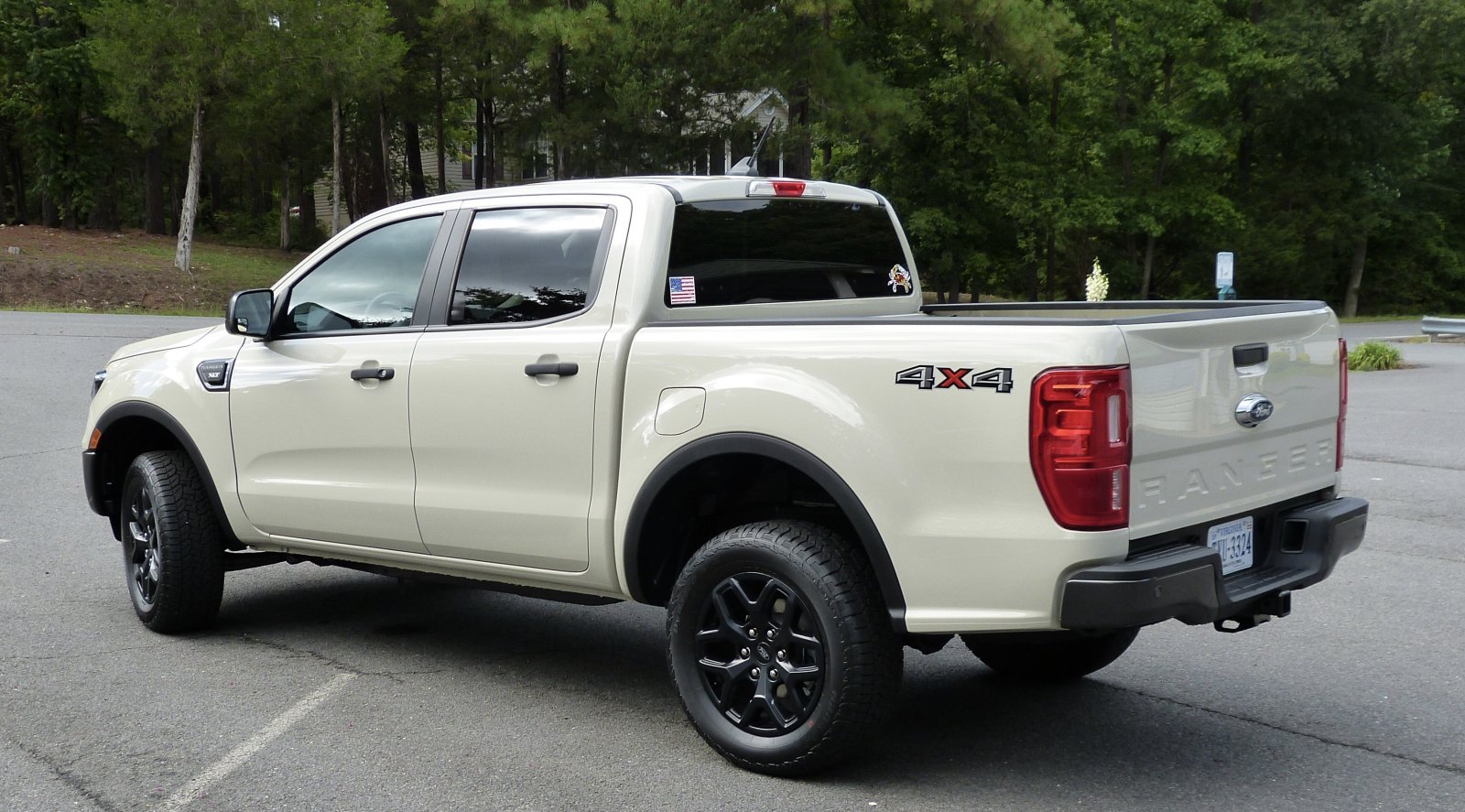
2022 Ranger Splash Desert Sand
- By Rangermrd,
- 0
- 0
- 1
-
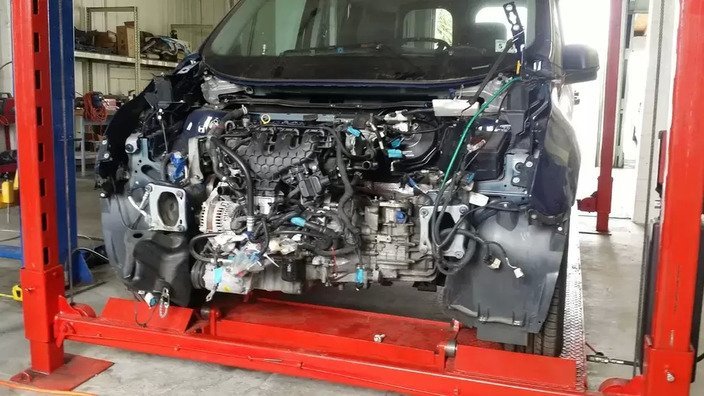
Performance Tuner Connects
- By LostInTransit,
- 0
- 0
- 7
-
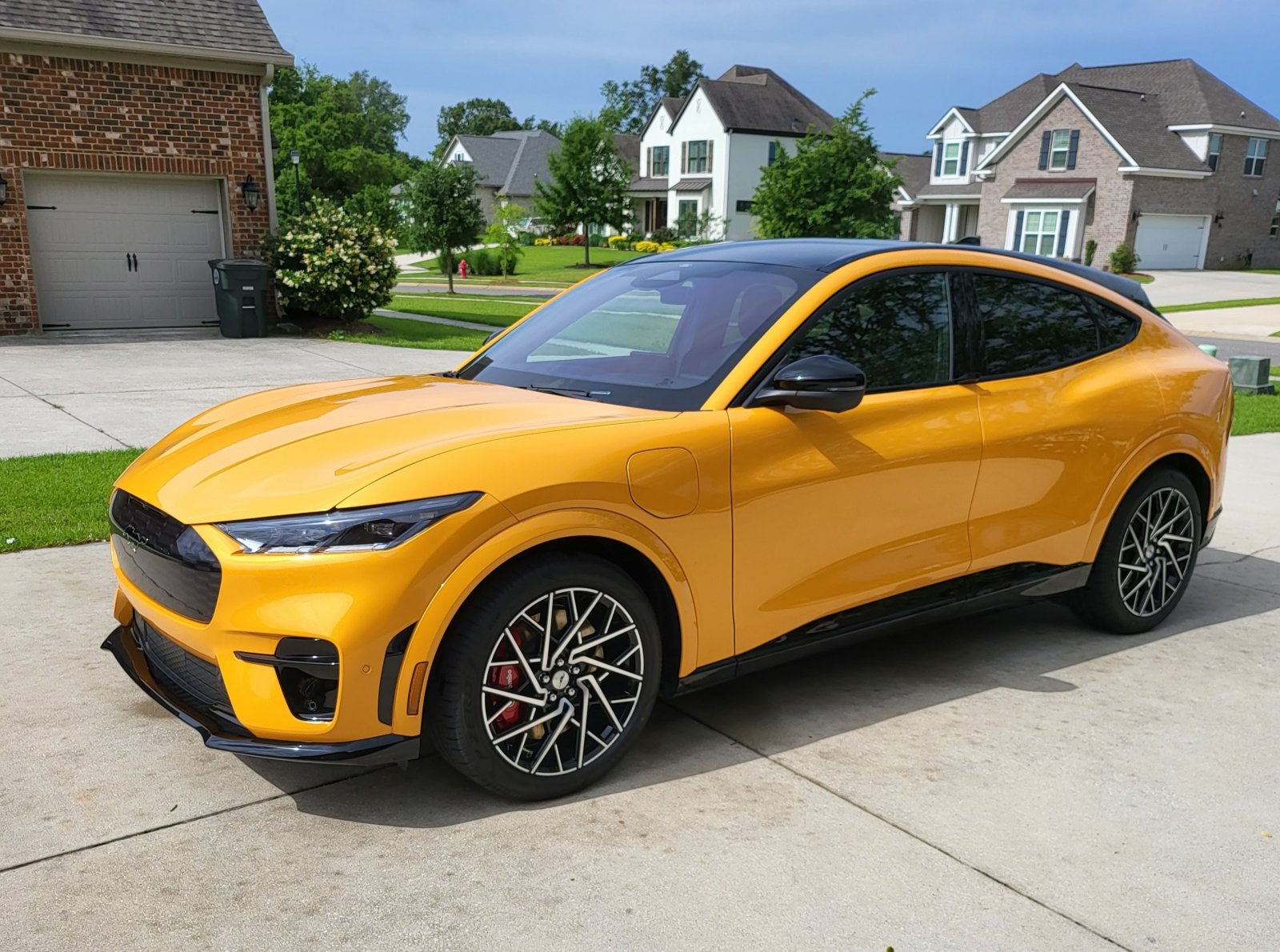
amtrucker22
- By amtrucker22,
- 0
- 0
- 1
-
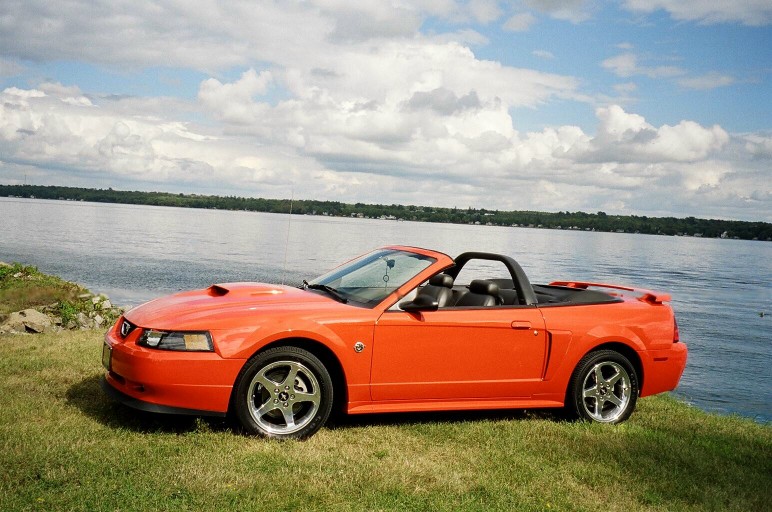
4 CRUZEN
- By 04GT,
- 0
- 0
- 4
-
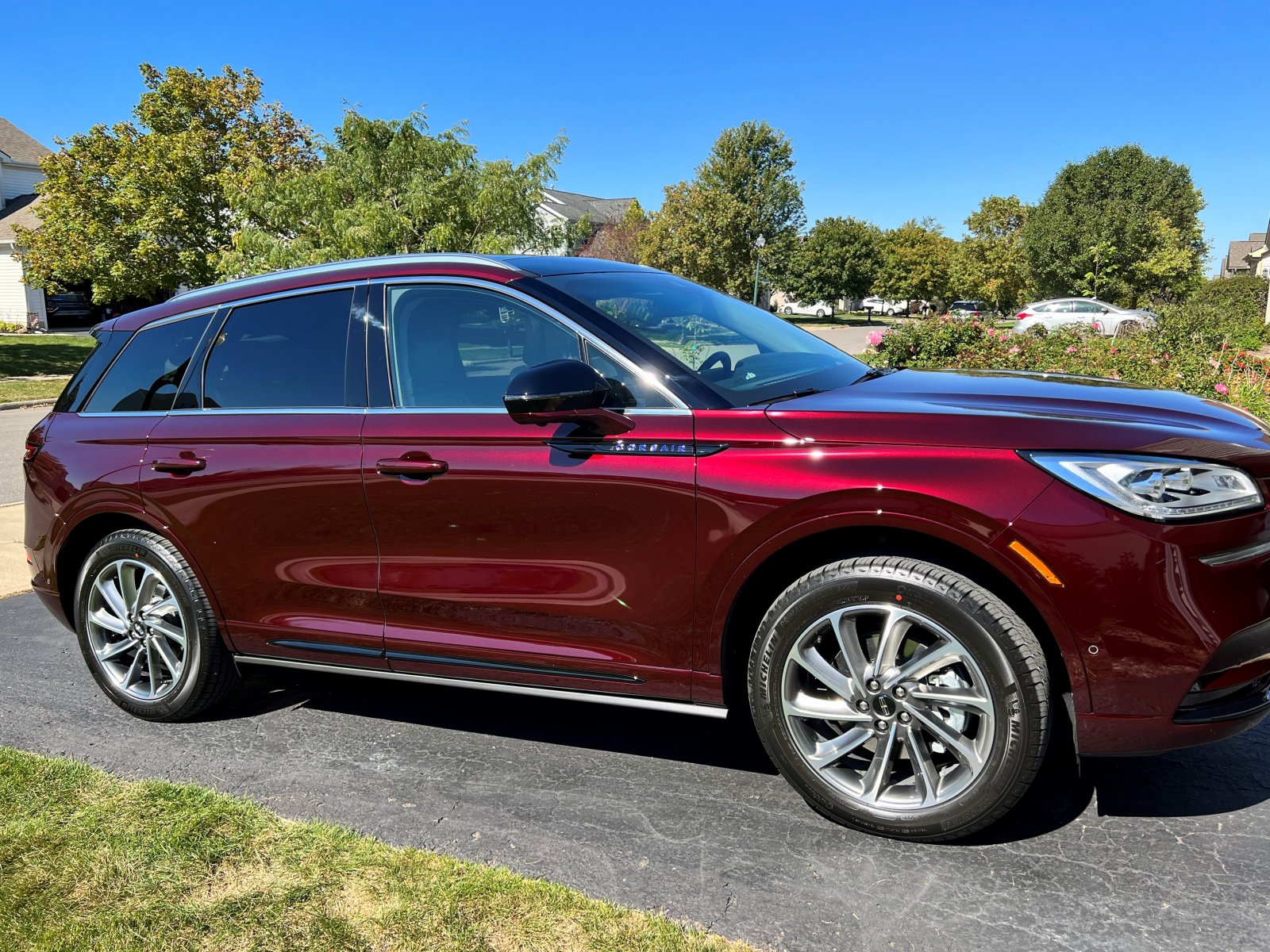
2021 Lincoln Corsair Grand Touring in Burgundy Velvet
- By RedHoncho01,
- 2
- 1
- 3
-