-
Files
-
Popular Contributors
-
1

-
2

-
3

-
4
-
5
-
6
-
7

-
8
-
9
-
10
-
-
Posts
-
-
-
By Broncofan7 · Posted
I like the new grilles and this seems like a decent update for a generation ending. The 3.0l should be interesting. -
I assumed his proposal was meaning more something to slot in between the massive pricing gap between Mustang and GT, not as a replacement for GT. Eh....I actually don't mind the idea of changing up Thunderbird's formula for a mid-engine model if they were determined to re-use the name. I don't feel like the front grille/lights area go well with the rest of the body, but that's me. It feels like some other model was grafted/stretched on.
-
Reports are saying they may build a Defender truck for Land Rover..... Land Rover Defender Pickup May Be Built in America - Autoblog
-

By Motorpsychology · Posted
Might it go the other way? Make Stellantis NA-centric, shutter the Euro brands which are marginally profitable as the Chinese invasion inexorably eats up that market and concentrate on this market. Maybe it becomes Chrysler Corporation once again. -

By twintornados · Posted
Thunderbird's legacy is that it created the "personal luxury coupe" genre....Sadly, that market is long gone so Thunderbird should best be left in the history books. There are names from Ford's storied past that deserve another look, Thunderbird is not one of them. -
By joseodiaga4 · Posted
2027 Ford F-150 Carhartt Package Officially Debuts https://fordauthority.com/2026/09/2027-ford-f-150-carhartt-package-officially-debuts/ -
By joseodiaga4 · Posted
2027 Ford F-150 Lineup Updated With New Grilles And Packages On the outside, those include brand new front grille and wheel designs for the XLT, Lariat, King Ranch, and Platinum. These updates were reportedly influenced by customer feedback, as many were apparently asking for a more modern look up front without losing the F-150's familiar face. https://fordauthority.com/2026/09/2027-ford-f-150-lineup-updated-with-new-grilles-and-packages/ -
By Harley Lover · Posted
Ford already has the GT when it chooses to build an updated version. I do not see a compelling business case for Ford to chase Chevy and the Corvette. Chevy is obligated to build the Corvette but I doubt Ford has any envy for their revenue model on the vette.
-
-
Topics
-
-
Top Downloads
-
-
Albums
-
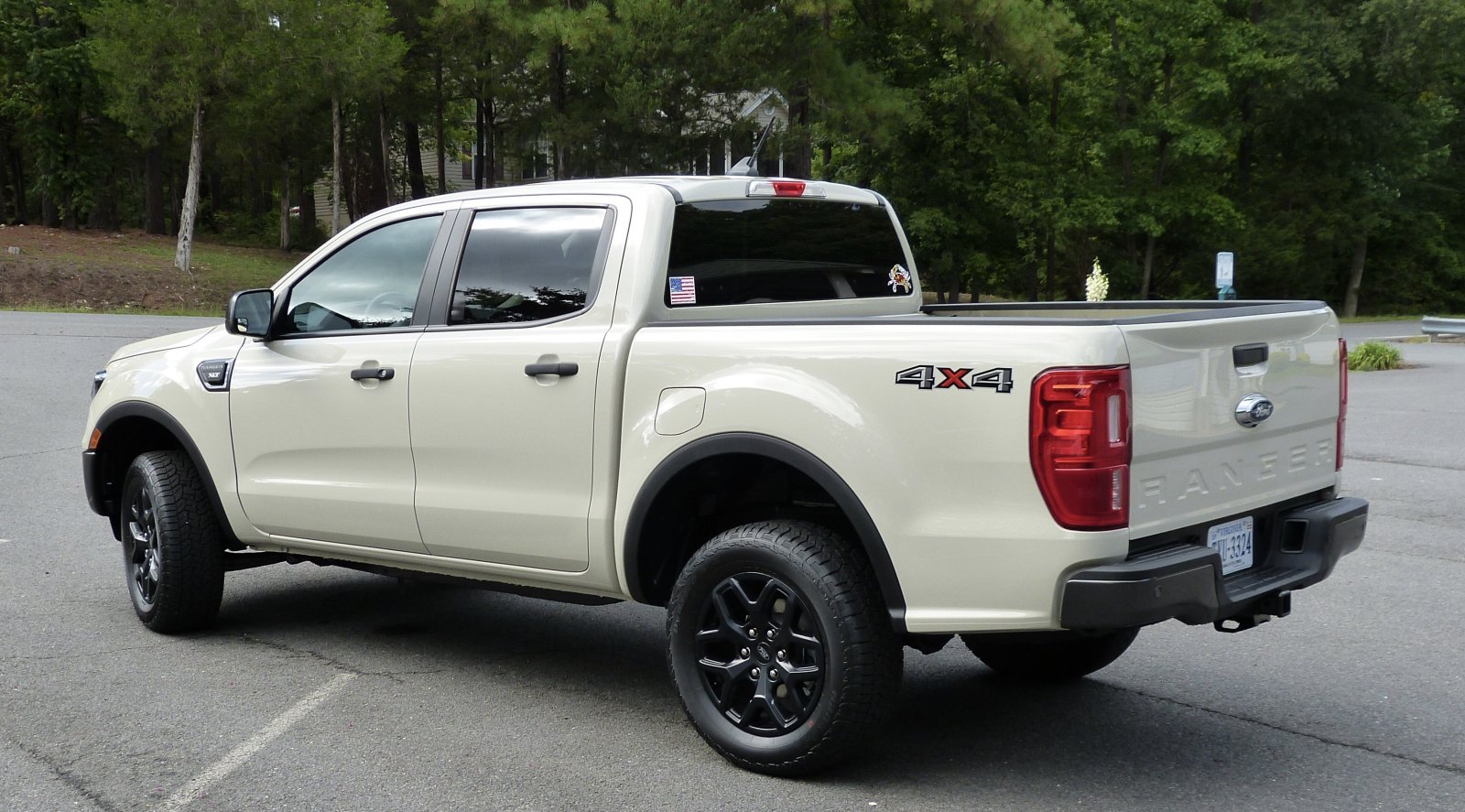
2022 Ranger Splash Desert Sand
- By Rangermrd,
- 0
- 0
- 1
-
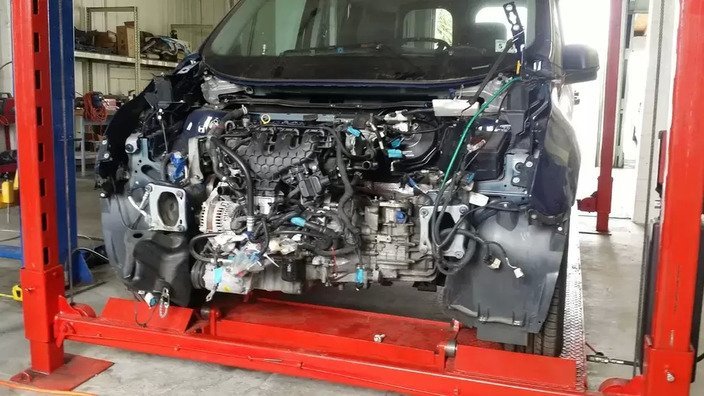
Performance Tuner Connects
- By LostInTransit,
- 0
- 0
- 7
-
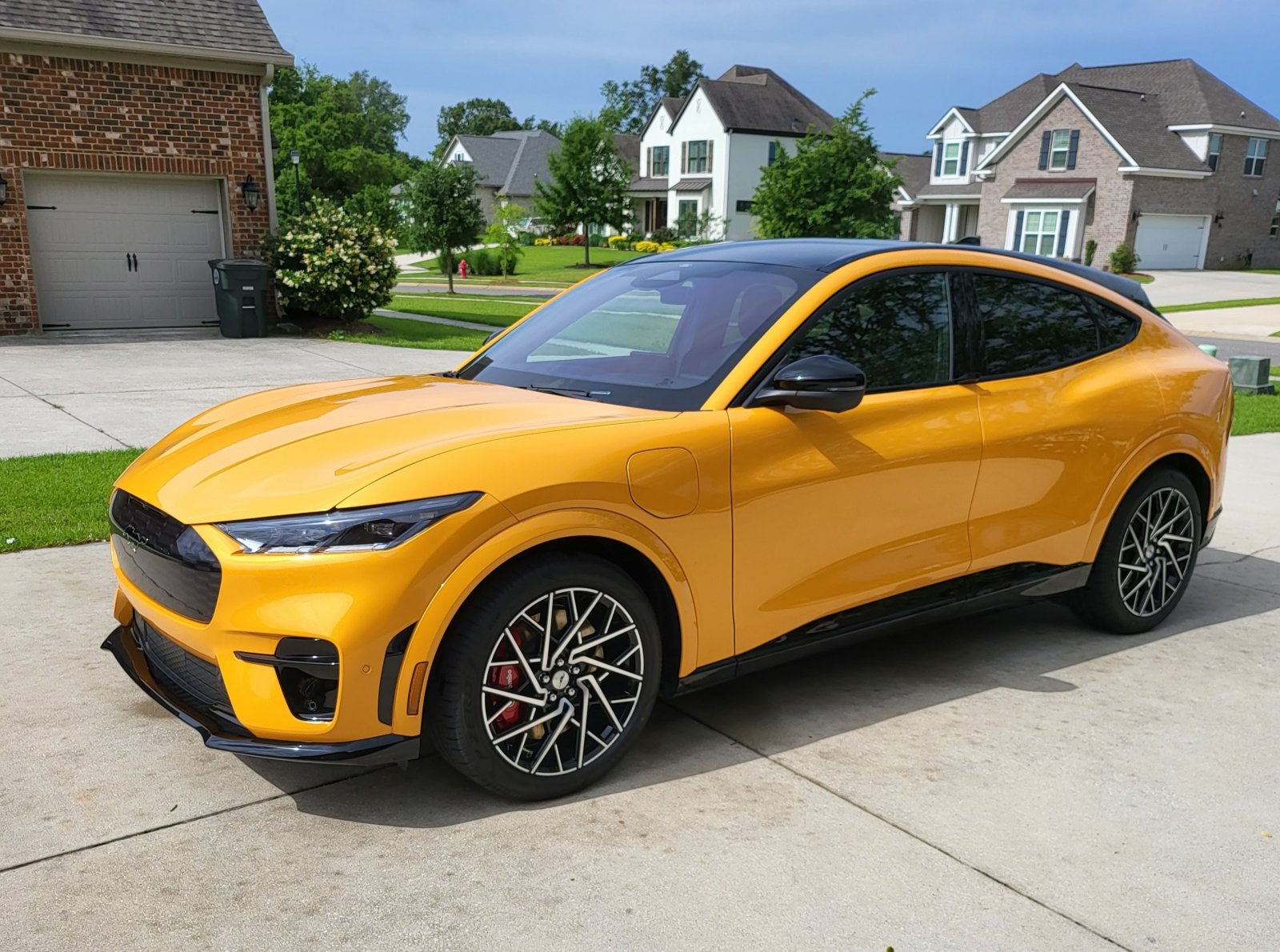
amtrucker22
- By amtrucker22,
- 0
- 0
- 1
-
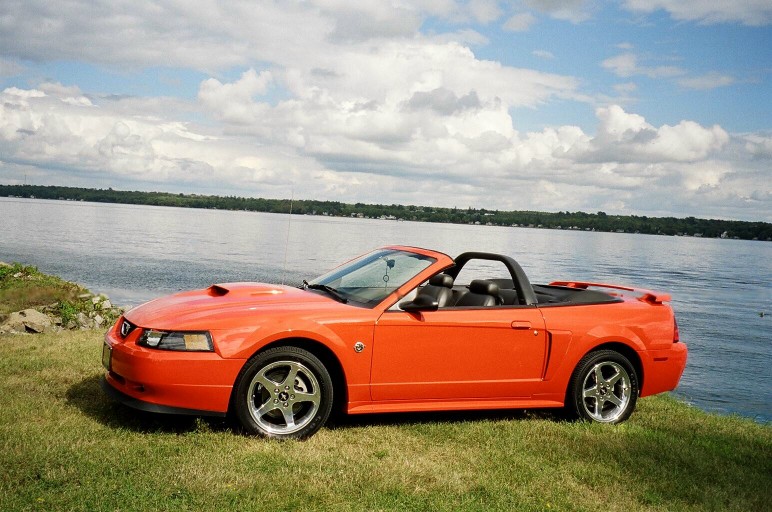
4 CRUZEN
- By 04GT,
- 0
- 0
- 4
-
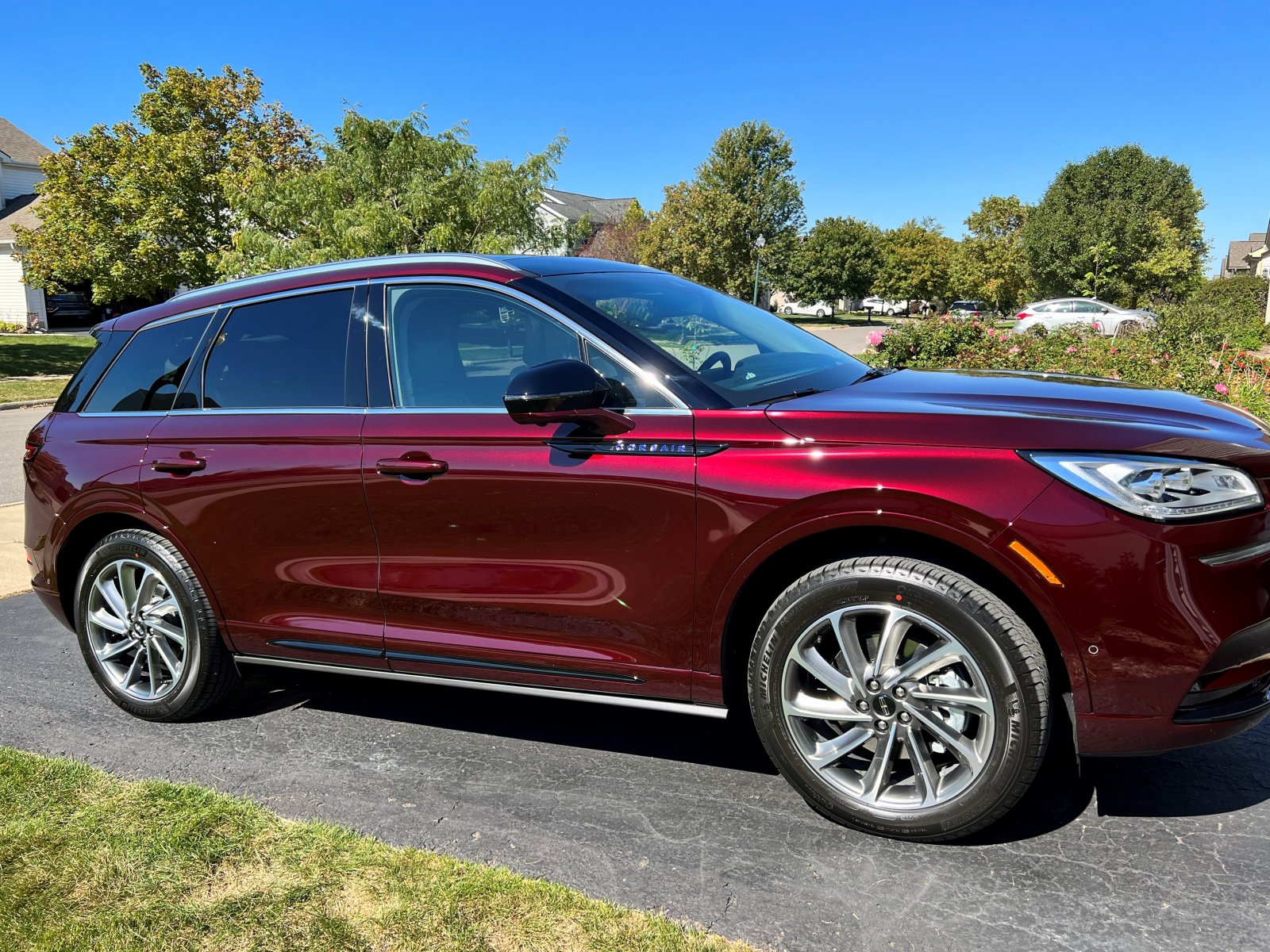
2021 Lincoln Corsair Grand Touring in Burgundy Velvet
- By RedHoncho01,
- 2
- 1
- 3
-