That's assuming a Bronco Pickup would sell as well, which I'm not sure it would. They are two different approaches for two different customer perceptions, mechanical innards notwithstanding.
Maverick would also benefit profit wise from shared styling with Bronco Sport, but each serve different market segments.
I think this post lays the situation out very nicely. We have a lot of Ford apologists on this site and I used to be more sympathetic to their issues, but trying to justify the current state of affairs is simply ridiculous. And to be clear, I want Ford to succeed.
There is a lot of talk about profitability, what is enough, does it justify maintaining a product, etc., but profit is profit whether it is 3% or 10%. A three percenter can make more money if it substantially outsells a 10 percenter, so to me this isn’t a sufficient justification to dump products. It is well documented on this site why Ford’s sales number decline on various models. It is self inflicted.
Then theres talk of lack of sufficient development resources to maintain a full line of vehicles. Let’s face it, the F series does not change so substantially from generation to generation that they consume all of the resources. As an owner and enthusiast, I know they don’t. You can call something all new but it doesn’t mean every part number is new. Each product category should have been able to support itself and if you need more people you hire them because your product should be able to sustain itself.
The bottom line for me is it is a management issue. Perhaps the Ford family is partly responsible for the situation due to their overall control of the company, but it isn’t clear to me they won’t listen to the CEO. Mulally appears to me to be the last CEO that knew what the hell he was doing, and it did appear the Ford family listened to him at the time. I highly doubt Farley has no influence, because the direction of the company seems to be consistent with his beliefs.
If Toyota can be a full line global manufacturer and be profitable, there is no excuse why Ford could not do the same, especially when they were one. In my observations over the years, when companies shrink, they tend to eventually disappear or get bought out.
In one of the other threads, somebody mentioned Henry Ford would be rolling over in his grave, and I agree. I don’t think Henry Ford wanted his company to be a boutique manufacturer, limited in scope. It seemed he wanted to bring vehicles to everyone.
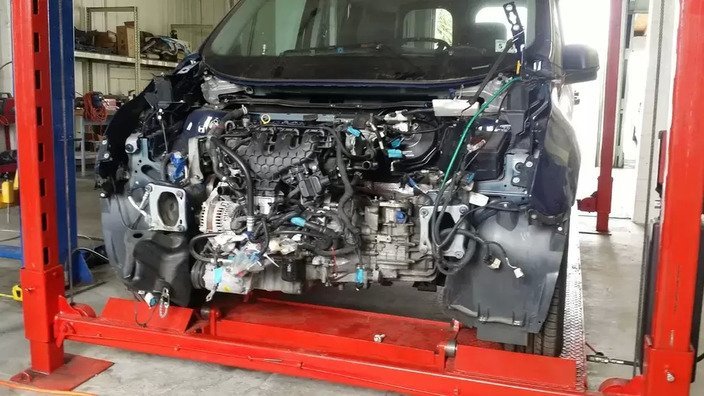
I’ve noticed that the batteries in the 2.7–3.0L V6 Fusion, Edge, Nautilus, and MKZ don’t last very long—probably due to the heat in the engine bay. I end up replacing mine in my MKZ about every two years, thankfully under warranty, and the dealership handles the hassle. A friend of mine has a '16 Edge Sport with the 2.7L V6 and experiences the same issue. Meanwhile, she also owns an Edge and a Fusion with the 2.0L I-4, and neither of those has needed a battery replacement yet.
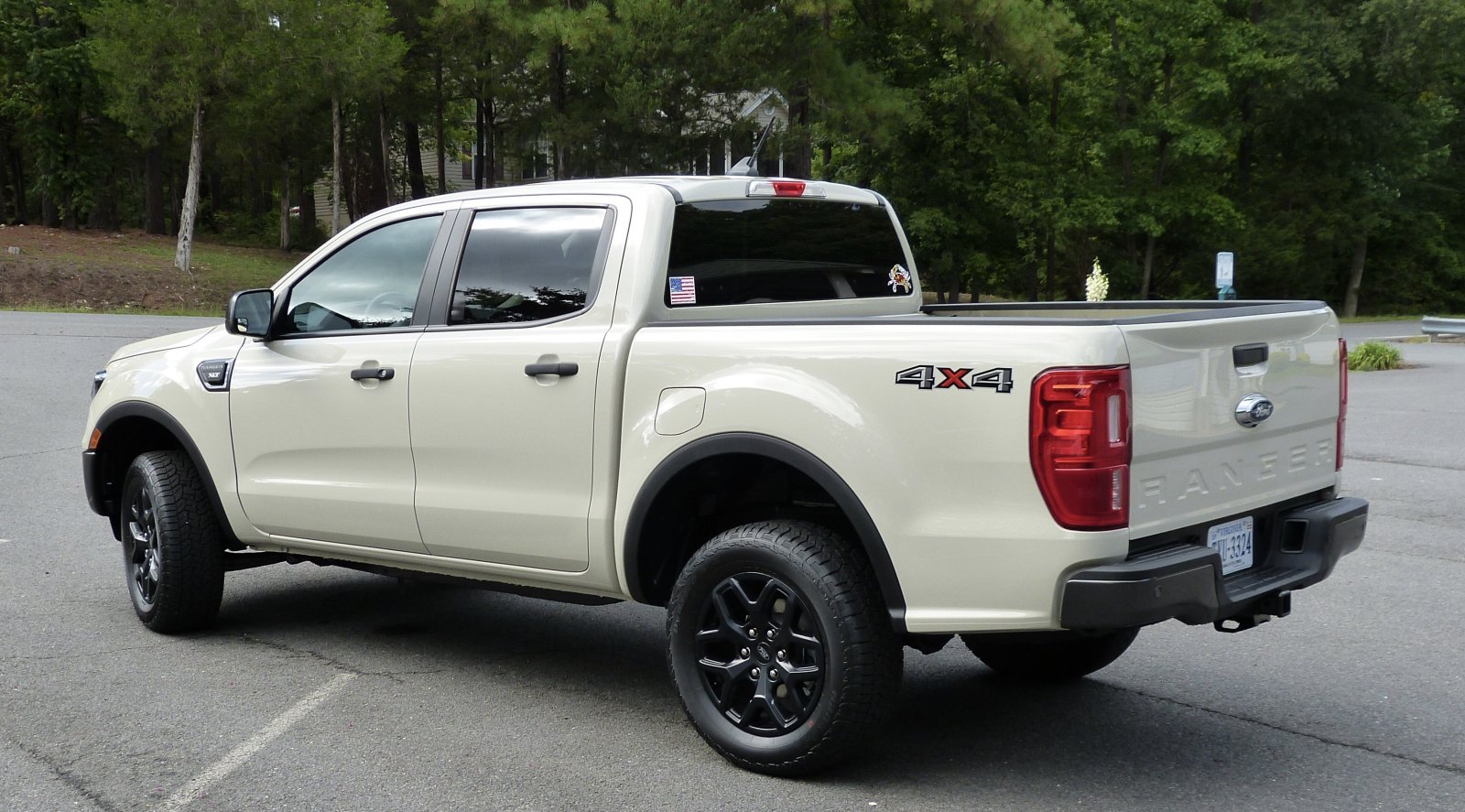
Yes, and it seems like it would be relatively easy to do. Mostly a top hat change since the Ranger and Bronco already share the same platform and drive trains.
I could get excited about it if they give me a hybrid Bronco pickup with Pro Power Onboard.
Yea, Ford ain't efficient at all when it comes to those things, and hasn't been for a long time.
What are your thoughts @Biker16 on the efforts at Ford skunkworks and with the CE1 platform, and the likelihood that what Ford is learning there will be applied throughout the company?
I'm cautiously optimistic. As akirby said, skunkworks & CE1 is Ford's opportunity to finally hit the reset button on its horribly inefficient product development and manufacturing processes. Maybe sales and marketing will benefit too
Yea, as a customer of two Ford EVs, I can live with that. A pricey EV microbus designed for them aging hippies ain't gonna hold up to scrutiny. On the other hand, more cost effective EV pickup trucks, both body on frame and unibody, is exactly the kind of better product that we should expect.
Lookin' forward to Ford's CE1 products and hopefully a new, improved pure electric F-150 Lightning in the years to come. And if Ford manages to design a hippie microbus on the CE1 platform that's cost effective, good for them.
Ford shrank to make more profitable vehicles, while the competition took market, share and generated more profit overall. By building vehicles, designing vehicles and selling vehicles more efficiently
Again, no one has seen the P&L for any vehicle Ford has ever made. It's stupid to extrapolate the profitability of a vehicle without taking into account the context of the system it was produced, designed, and sold in.
Ford doesn't seem very efficient at building, designing, or selling vehicles.
Exactly, when you kill volume products on platforms used by other products, you reduce the profitability of that platform, increasing costs and decreasing the profit margins of all the products on that platform.
There is one C2 factory in North America; there were 4 C1/CD4 factories in 2014.
It's not a coincidence that these vehicles sold very well in their first 4 years of production than in the last 3 years of their production.
They were desirable and until they became old and stale products that required incentives to sell.
Ford abandoned cars long before they were discontinued by failing to invest in their replacements. These vehicles were affordable when they first were sold and became cheap after they had been in the market unchanged for 7 or 8 years.