-
Files
-
Popular Contributors
-
1

-
2

-
3

-
4

-
5
-
6

-
7
-
8
-
9
-
10
-
-
Posts
-
By blazerdude20 · Posted
Unfortunately until states or the fed start to regulate it, it will be nearly impossible to have consistent fees and paperwork. No chance the dealer lobbies don’t prevent that. -
Ford has been trying to do a global RWD platform since dew98 Lincoln LS. They make grandiose plans then those plans get scaled back for various reasons.
-
I've seen $900 doc fees on Toyotas. It's ridiculous.
-

By Sherminator98 · Posted
I think it boils down to the market-I guess Ford was expecting to sell larger cars when the C2 met 70-80% of the market needs. It also might boil down to desperation to a point too. -
By DeluxeStang · Posted
If c2 is Ford's greatest success in recent memory, cd6 up until this point has been one of their biggest disappointments. The fact that it's so underutilized is depressing, especially when it seems like a capable platform. -
During my summer as a student intern at Ford, I briefly got to drive a '70 Boss 302. My boss was with me, so I had to tread lightly. Still, for a few fleeting moments, I was Dan Gurney.
-
By DeluxeStang · Posted
IDK, I like some of those, but that brown one does not convey a rugged or upscale look to me. It looks like a maverick and a dodge nitro got drunk and snuck into a garage together, and 9 months later this thing popped out. -
By twintornados · Posted
Wikipedia...but in fairness, it claims D3 was it's predecessor. I would think it means it evolved from D3, but in truth, I guess that only means that it precedes it but is not directly related to it. -
By Sherminator98 · Posted
Where did you get that info? https://fordauthority.com/fmc/ford-motor-company-platforms/ford-cd6-platform/ I think the CD6 might be a clean sheet that so far as gone nowhere else outside of the Explorer/Aviator. -
By Motorpsychology · Posted
It is called Destination and Delivery. The Delivery takes about 2-3 hours depending on the vehicle- add time for dlr installed accessories, but those charges are usually included in the cost of the accessory(s). Another profit center is the "Document Fee." Stuck on to every new vehicle in the lot. My Dealer charges $475.😳 When I was selling in the mid-80s-90s It was $25-50.
-
-
Topics
-
-
Top Downloads
-
-
Albums
-
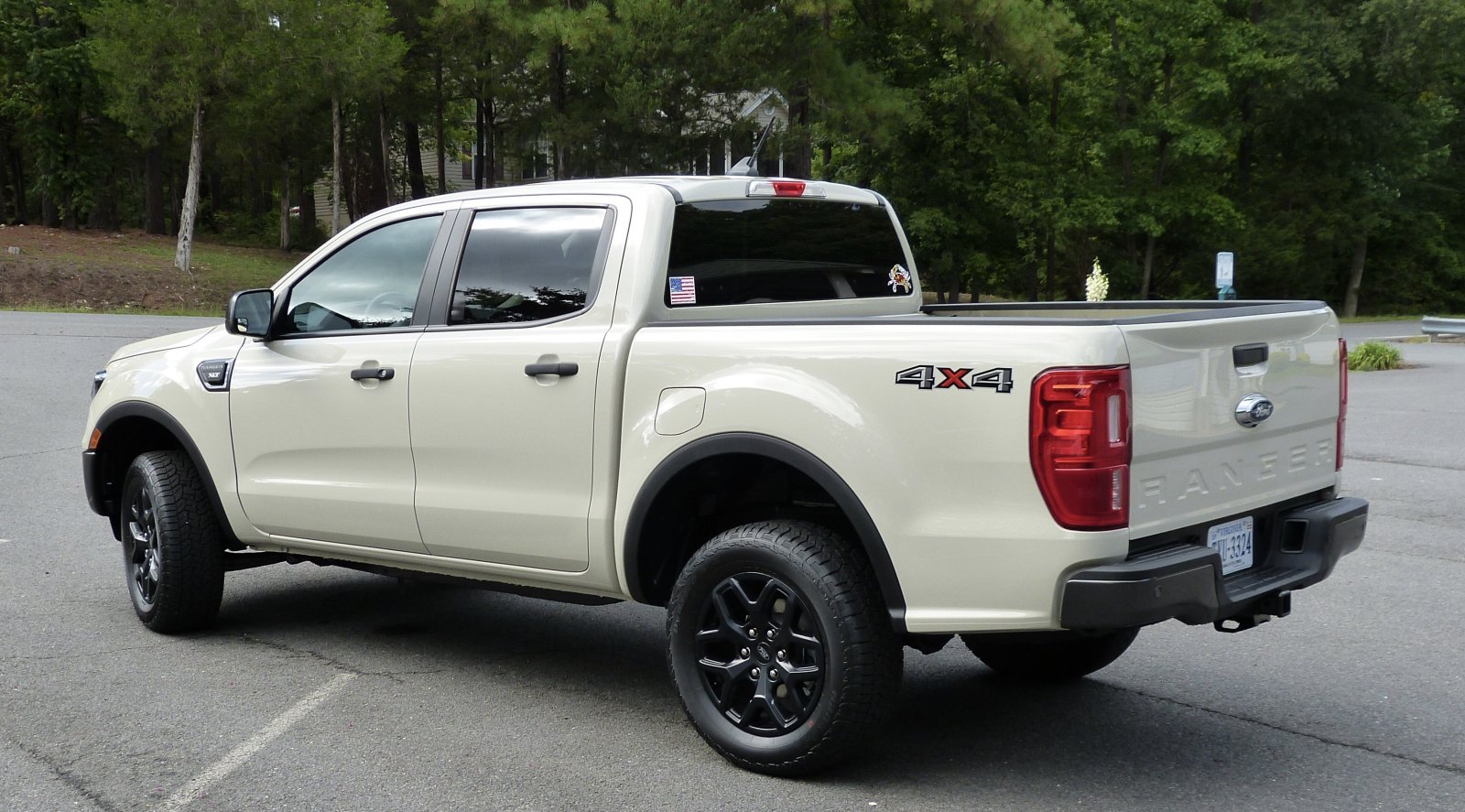
2022 Ranger Splash Desert Sand
- By Rangermrd,
- 0
- 0
- 1
-
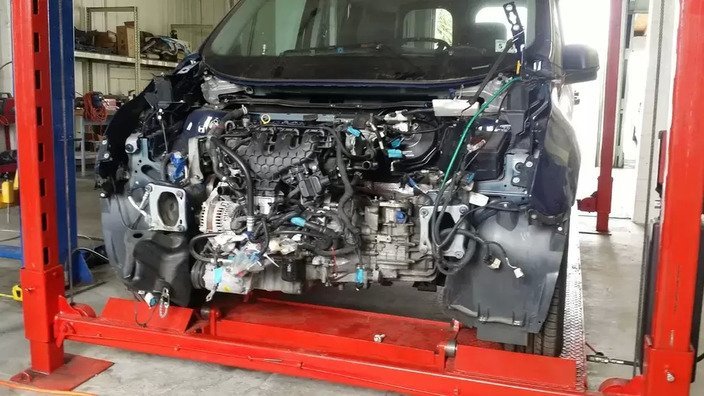
Performance Tuner Connects
- By LostInTransit,
- 0
- 0
- 7
-
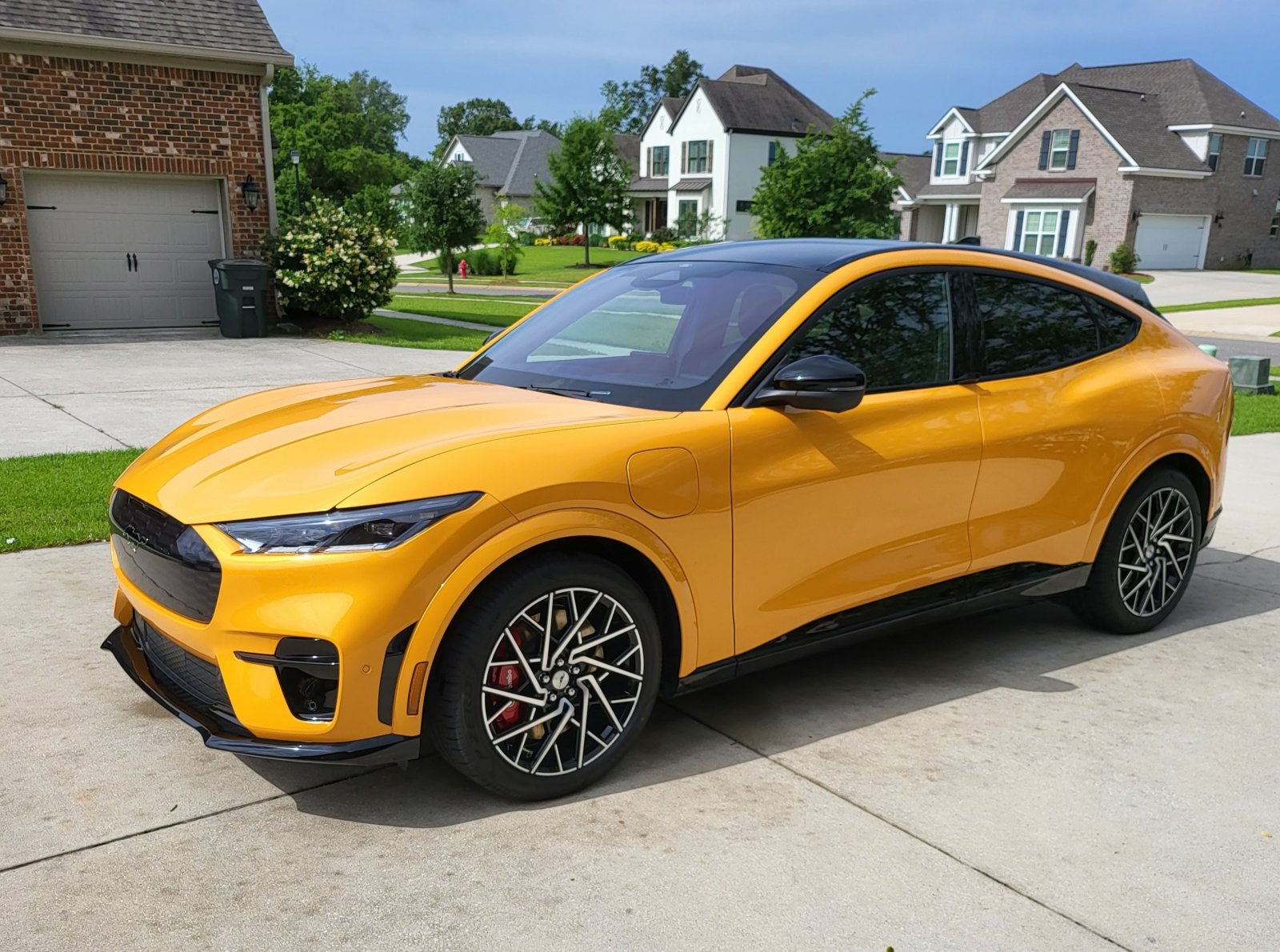
amtrucker22
- By amtrucker22,
- 0
- 0
- 1
-
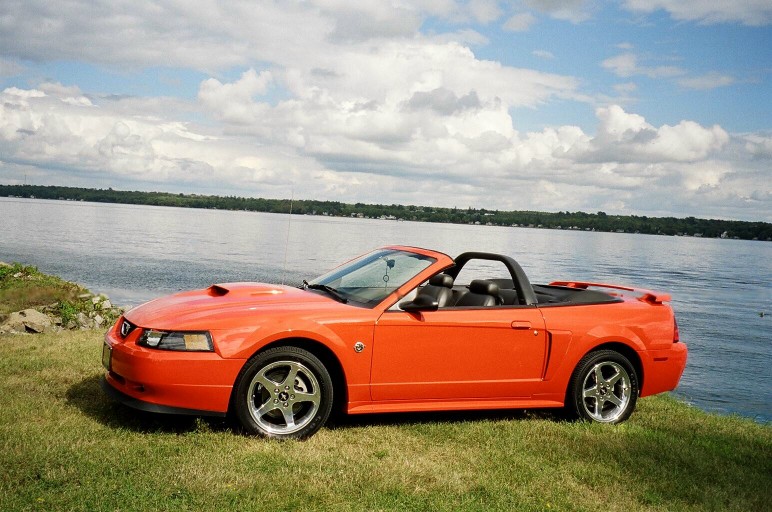
4 CRUZEN
- By 04GT,
- 0
- 0
- 4
-
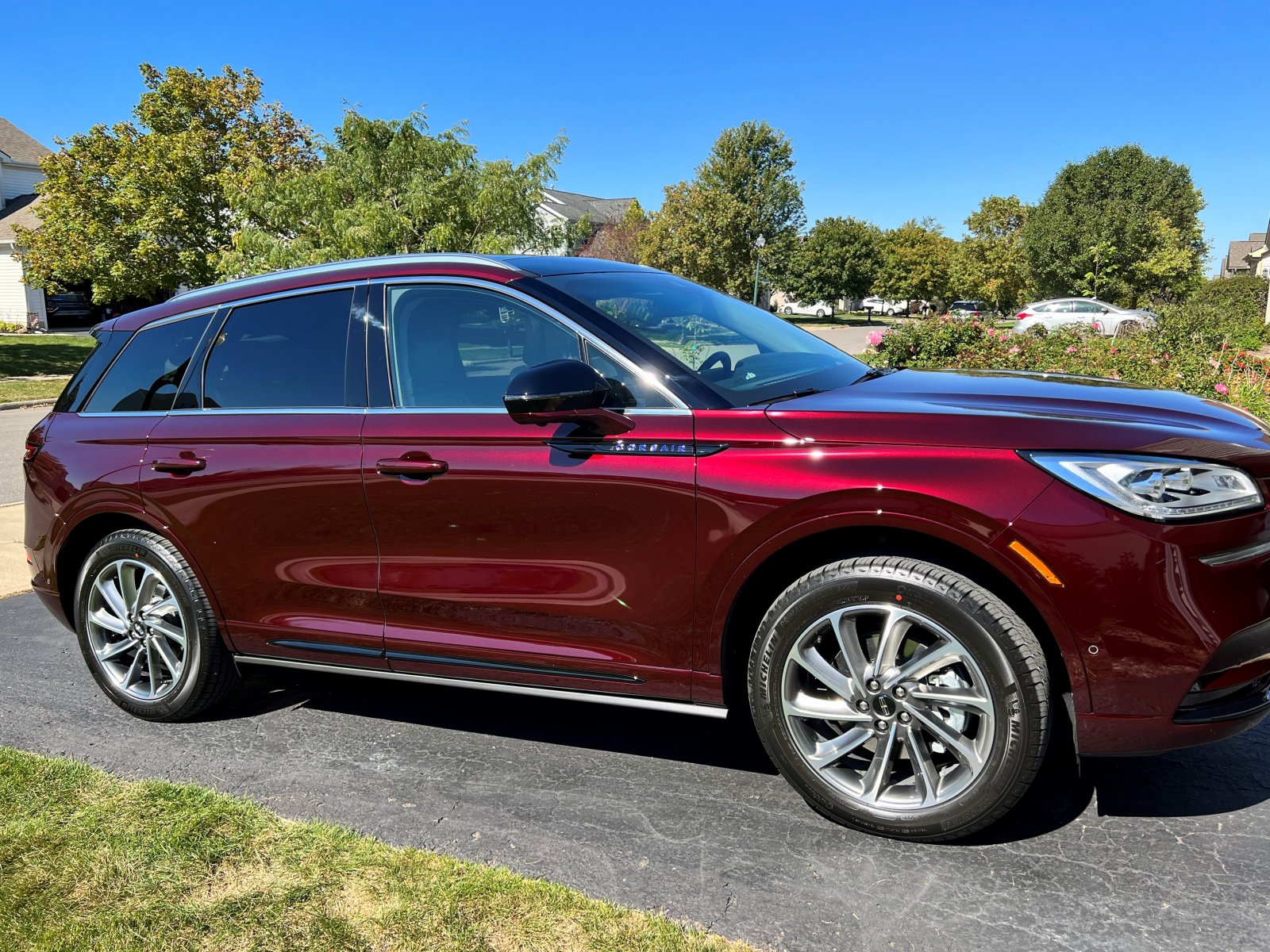
2021 Lincoln Corsair Grand Touring in Burgundy Velvet
- By RedHoncho01,
- 2
- 1
- 3
-