-
Files
-
Popular Contributors
-
1

-
2

-
3

-
4

-
5
-
6

-
7
-
8

-
9

-
10
-
-
Posts
-
This carnage across multiple OEMs is an epic example of what happens when government and politics dictate what OEMs should build and what consumers should buy. Most likely nothing will be learned from it and endless examples will unfold in the future.
-
 That is what people miss when discussing vehicle costs. Depreciation is a cost. Depreciation is the accounting process of allocating the cost of a tangible asset (machinery, vehicles, buildings) over its useful life, reflecting its wear and tear. Every mile driven reduces the vehicle's value; the decline isn't linear, but a curve. https://www.jalopnik.com/2113914/how-depreciation-curve-works-cars/ You are paying for the loss in value of the vehicle when you sell it, not for every mile you drive. Selling a vehicle bought for $18,000 at 120,000 miles means you lost/consumed $12,000 of its value, either way you pay for its use.
 -

By Sherminator98 · Posted
https://fordauthority.com/2026/03/ford-ceo-jim-farley-says-byd-pickup-appealing-but-flawed/ -
 Pretty much how the rest of the world can survive without a full-size pickup truck.
 -
By Sherminator98 · Posted
https://www.carscoops.com/2026/03/range-rover-velar-design-shift/ -

By Harley Lover · Posted
The $7.5 billion figure is for the current fiscal year. The ~$16 billion figure includes total losses expected to be incurred from the current fiscal year into the next fiscal year. The OP is more correct. https://www.autonews.com/honda/an-honda-cancels-evs-0-series-acura-rsx-losses-revised-strategey-0312/?utm_source=Sailthru&utm_medium=email&utm_campaign=Newsletter-ANBreakingNewsAlert-20260312 -
-
By Sherminator98 · Posted
This article says only $7.5B Honda Kills Three US-Built EVs Before They Ever Launch, Taking up to $7.5 Billion Loss They looked pretty terrible anyways...though the RSX looked decent. -
-
The retreat from EV's continues. Now it's Honda that's cancelling future EV's and writing down EV investments. HONDA TAKES $16B EV WRITE-OFF Another automaker is taking a huge financial hit to pivot away from EVs. Ford recently announced a nearly $20 billion write-off, while Stellantis wrote off $26 billion. And now Honda says it will book up to nearly $16 billion in losses in its shift away from EVs. The automaker is canceling three EVs it was developing for North America, the 0 Series SUV, 0 Series Saloon and the Acura RSX. Honda says if it started producing and selling the vehicles, it would lead to even more losses in the long-term. On top of that its profitability has declined because of U.S. tariffs and not remaining competitive in Asia because it had to allocate more resources for EV development. So the company needs to save cash in order to offset losses in its automotive business. Several executives, including Honda’s CEO and executive vice president, are taking voluntary pay cuts for the next three months, as a result of its decision.
-
-
Topics
-
-
Top Downloads
-
-
Albums
-
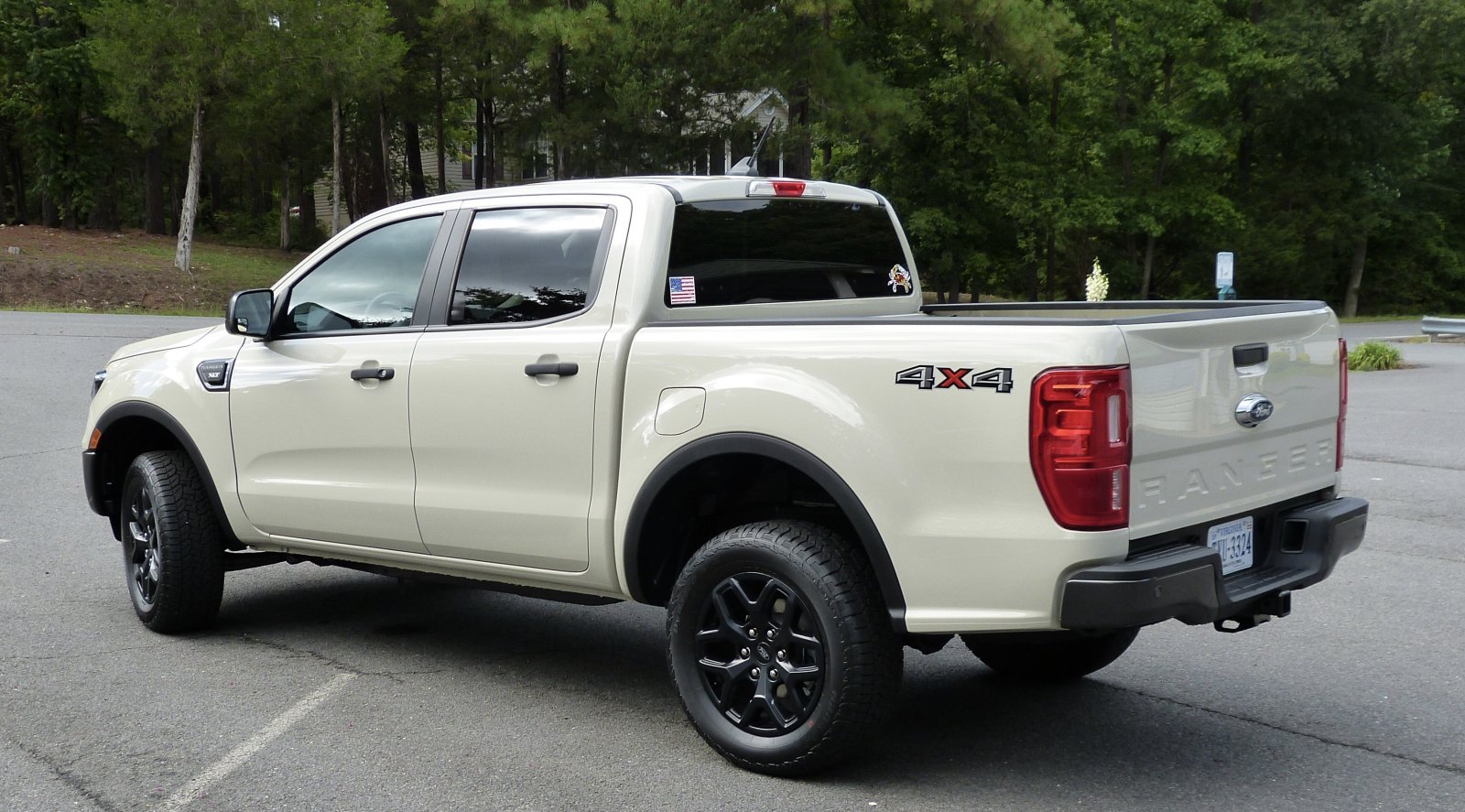
2022 Ranger Splash Desert Sand
- By Rangermrd,
- 0
- 0
- 1
-
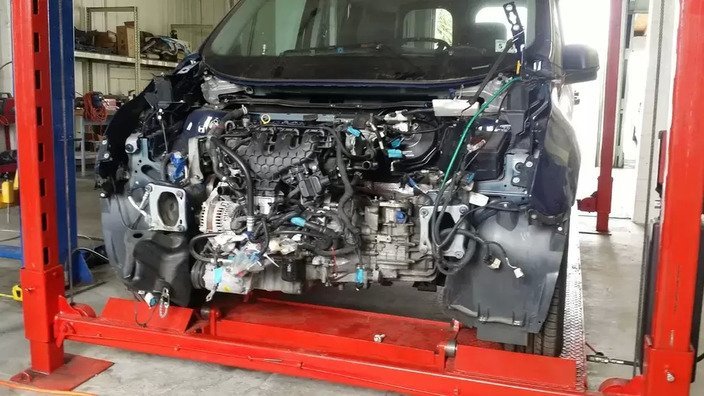
Performance Tuner Connects
- By LostInTransit,
- 0
- 0
- 7
-
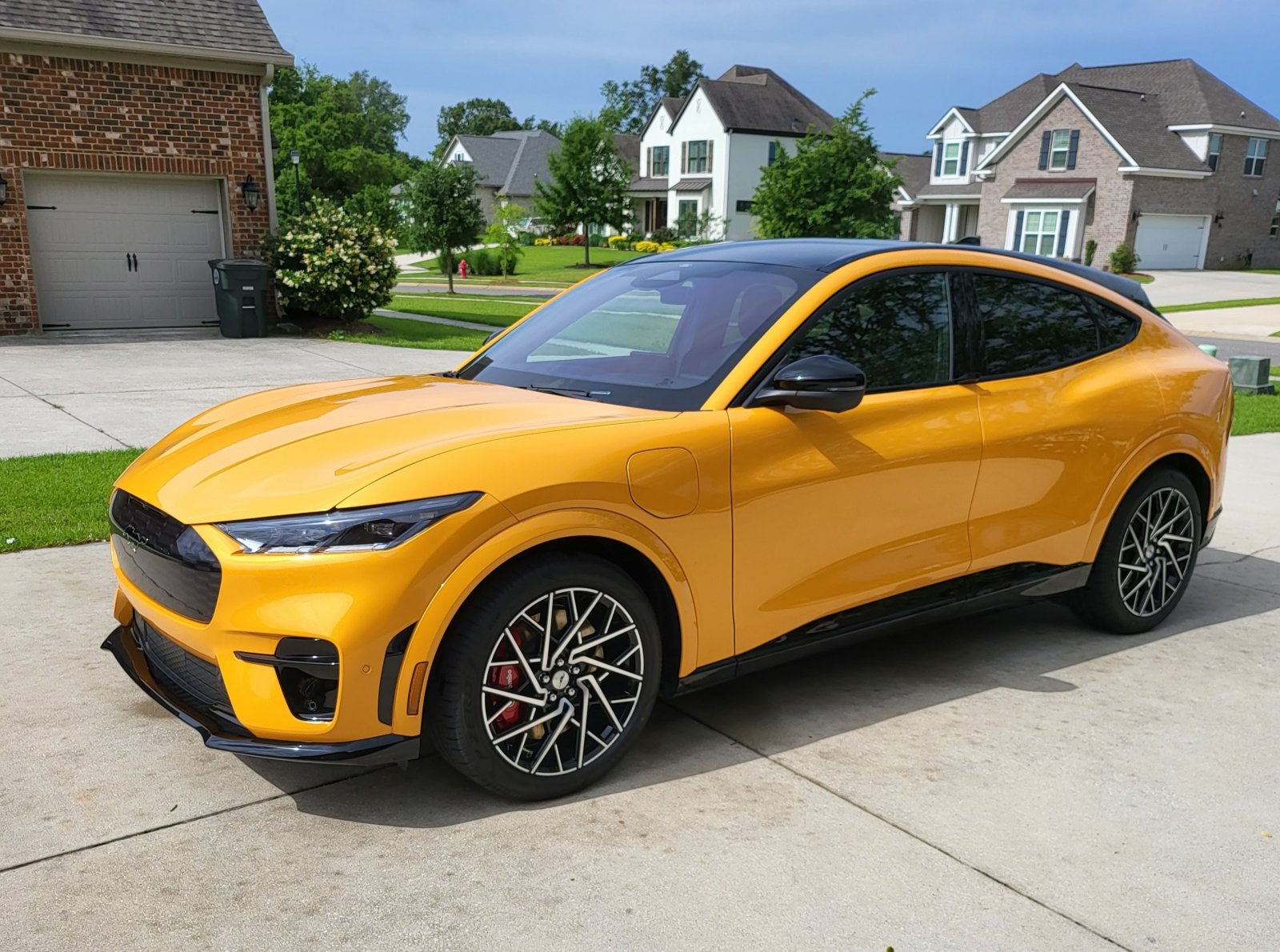
amtrucker22
- By amtrucker22,
- 0
- 0
- 1
-
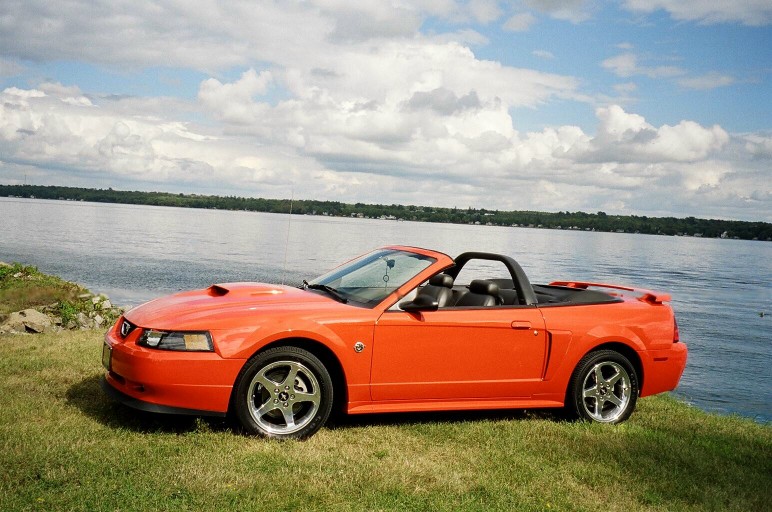
4 CRUZEN
- By 04GT,
- 0
- 0
- 4
-
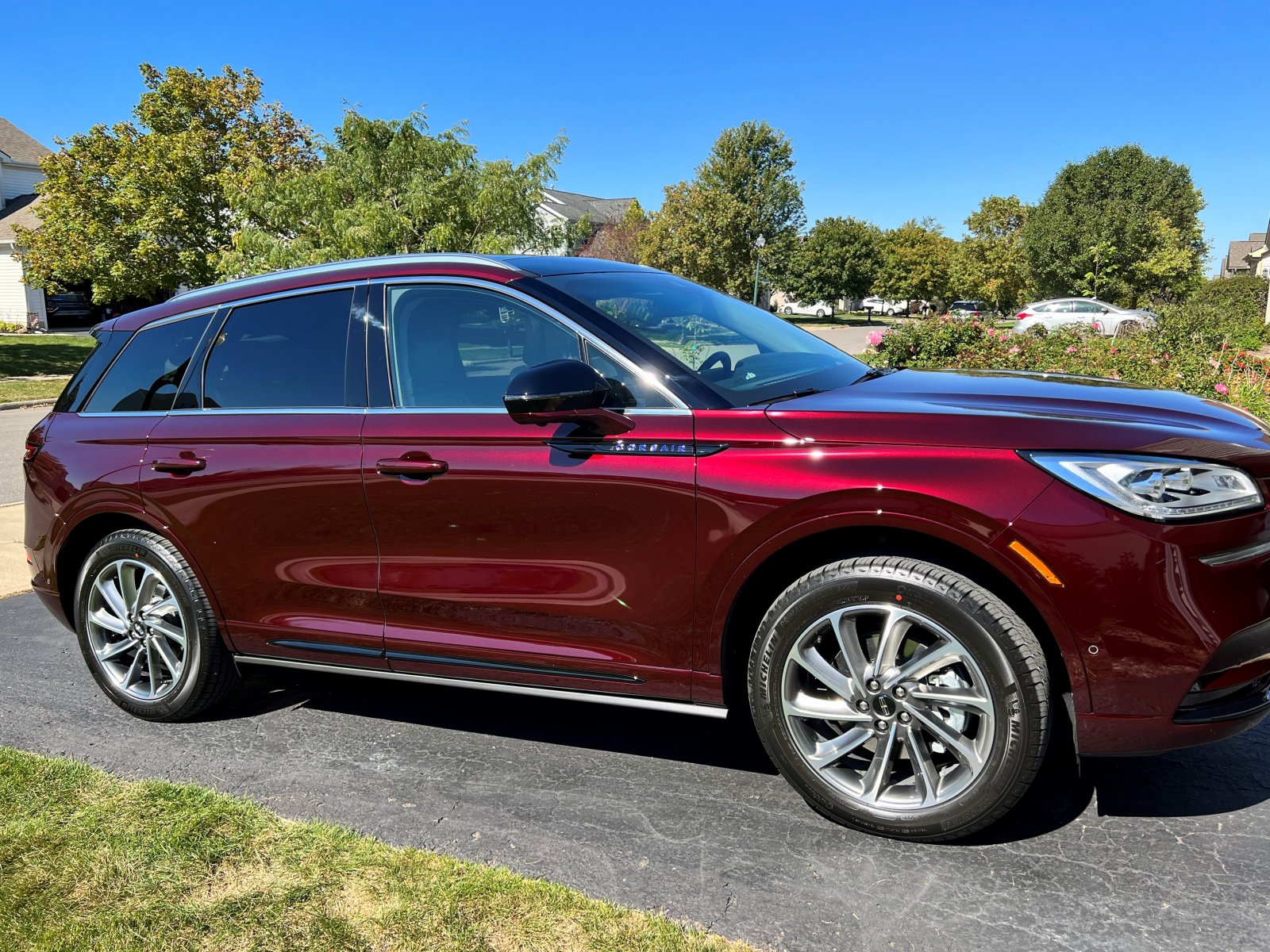
2021 Lincoln Corsair Grand Touring in Burgundy Velvet
- By RedHoncho01,
- 2
- 1
- 3
-