
-
Files
-
Popular Contributors
-
1

-
2

-
3
-
4
-
5
-
6

-
7

-
8
-
9

-
10
-
-
Posts
-
If 1APs are out, all they will see is another Maverick….. very clever Ford.
-
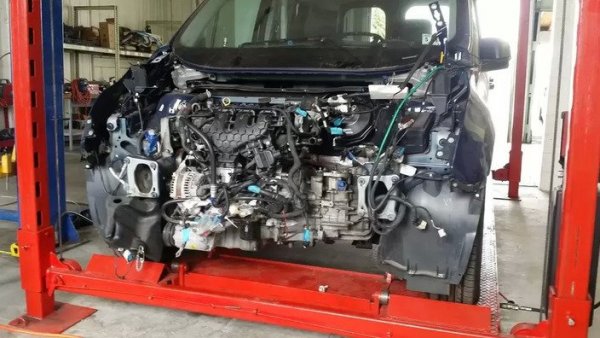
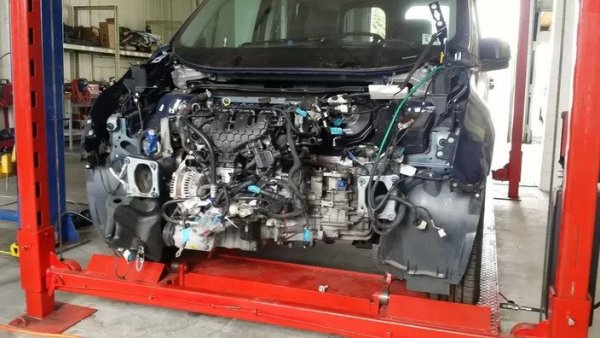
We are past the mule stage. Prototypes are wearing production body. The three stages of vehicle test builds: Mule These are engineering test builds that are often hacked up bits and pieces of other things clubber together to test specific components (e.g. suspension, cooling, drivetrain etc). Other times they don't appear to be "mules" at all because the component they are testing could be completely hidden under the sheet metal of existing cars (e.g. electrical systems or new transmission) - Mules in plain sight. Prototype These are design locked-in test builds with production-ready body panels and exterior. All the design engineering is done and they are validating to see how it all fits together, or for durability testing. They are often camouflaged to hide key exterior design features or elements. Sometimes there is even tacked on fake bits to throw people off. Pre-production These are test builds during training or test runs to validate the factory tooling and settings. Pre-production vehicles and usually used for experimenting with trim levels impact for build time, color mix-matches, and emission testing. e.g. they may build a batch with no sunroof and a batch with sunroof to see any run time variance. Or they try painting bumpers in different ways to see if color still match. The article suggests that Ford has already locked in the designs since they are using the term prototype.
-
As I see this, the key impacts of the FDIC ruling on Ford Credit include: Lower Funding Costs: By establishing an FDIC-insured industrial bank, Ford Credit Bank can accept deposits to fund its auto lending operations, providing a cheaper, more stable funding source than solely relying on external financing markets. Operational Shifts: The new entity will act as a Utah-chartered industrial bank focused on nationwide automotive financing, specifically by purchasing retail installment sales contracts from independent dealers. Capital Requirements: As a condition of the approval, Ford Credit Bank must maintain a minimum 15% Tier 1 leverage ratio, and the parent company must provide financial support to the new bank. Expansion of Services: Beyond auto loans, the industrial bank structure allows Ford to offer additional financial products, such as certificates of deposit (CDs). Strategic Alignment: This move supports Ford’s broader strategy, allowing for more flexible financing options for customers during a period where the company is pivoting towards hybrid and more affordable EV models. The bank is expected to be operational within 12 months of the approval.
-
 I’ve dealt with major ice storms, and they absolutely peg the Suck-O-Meter. Snow makes things look pretty and can make it hard to get around, but ice takes out power lines and threatens people’s lives. 0 of 10, would not recommend.
 -
Thanks for the video my friend. Voelker is a contributing editor to Car and Driver and wrote an article in the January/February 2026 issue of that rag recently with themes similar to what's in the video: EVs are not going away. At whatever rates of adoption, they will continue to grow as a percentage of every global market, including some of those outside the wealthiest cohort. As one engineer noted long ago, the automobile is one of the very few remaining high-volume consumer products we've not yet electrified. It will take generations, but it is happening.
-
That was the plan all along. One of the big shots at GM said the following back in summer 2025 when 2027 Chevy Bolt product details were first announced: “After production ended, we heard our customer’s feedback and their love for this product. So the Bolt is coming back—by popular demand and better than ever—for a limited time. This is a celebration of what Bolt means to our customers and to Chevrolet. It’s your chance to own a popular EV that’s affordable. So, if you’ve been waiting, this is the moment. Don’t miss it!"
-
-

By Sherminator98 · Posted
They might let them, but if they are dumping product (say what would be a 30-40K EV CUV for $20K) they would be getting slapped with 200% tariffs or other things. -
By Sherminator98 · Posted
And the Bolt is dead again...LOL This Is When 2027 Chevrolet Bolt Production Will End -
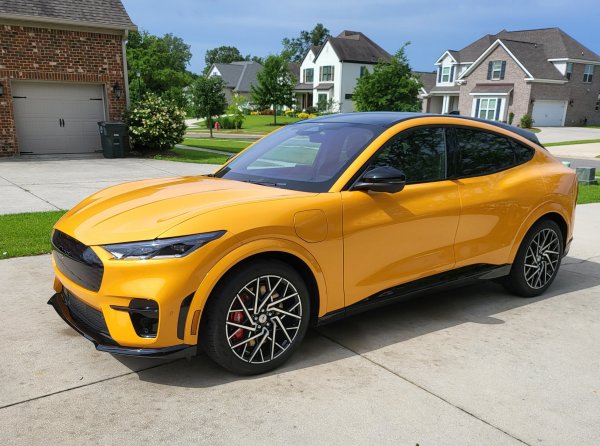
When my wife and I were shoppin' for a new car for her last summer, our top two choices were MME GT and Ioniq 5 N. In its first few years, Ioniq 5 and other Hyundai, Kia, and Genesis eGMP vehicles had more than a few problems with the integrated charging control unit (ICCU). By 2026, Hyundai Group redesigned the ICCU for much better reliability and extended warranty coverage on existing vehicles, while also lowering prices of Ioniq 5 and its siblings from Kia and Genesis. Imagine cruising along when the car suddenly displays a power supply warning, slows, and eventually stops right in the middle of the road. This sudden power loss, which occurred intermittently in models built on Hyundai Motor Group’s E-GMP platform, sparked serious concerns about EV safety. Even after software updates and recalls, customer anxiety lingered. Hyundai Motor Group has now taken a decisive step that could reshape trust in its electric lineup. The company extended the ICCU warranty from 10 years or 160,000 km (100,000 miles) to an unprecedented 15 years or 400,000 km (248,000 miles). Every eligible vehicle receives the extended warranty automatically. Hyundai will also reimburse the full repair cost of any ICCU-related failures dating back to July 24, 2022. Owners only need to bring their receipts to a service center. This proactive stance marks a sharp shift from past criticism of slow responses and demonstrates a much more direct, customer-centered strategy. No automaker is immune from quality issues. How each automaker goes about dealing with them makes all the difference, and Hyundai Group has been doin' it the right way recently. Incidentally, my wife and I got the MME GT. 😎
-
-
Topics
-
-
Top Downloads
-