-
Files
-
Popular Contributors
-
1

-
2

-
3

-
4
-
5

-
6
-
7
-
8
-
9
-
10
-
-
Posts
-
Any thoughts on the F-100 getting aluminum body panels like the F-150? It would have the advantage of offsetting the increased weight of the Ranger SD underpinnings but the additional cost and supply issues of the aluminum probably dictates it will have steel like Rangers. Also wondering if this F-100 truck will be for North America only or will it be global? I would guess that if it goes global, then it will still be called Ranger for ROW.
-
Thanks, JP. I think I'm getting better at reading your understated hints and nudges. Really glad you're here.
-
The big shots at Hyundai recognized that bland, inoffensive cars ain't going to build the brand: Hyundai was not known for standout design in the past. The brand built its reputation on value and reliability. That approach worked, but it rarely created excitement. Over the last few years, that has changed. Hyundai’s latest models are sharper, more expressive, and harder to ignore. The company is now producing vehicles that generate conversation rather than blend into traffic. Much of that shift can be linked to Brad Arnold, now officially Chief Designer and Head of Hyundai Design North America. His promotion reflects Hyundai’s commitment to design as a core strategy. Arnold understands the North American market and brings a clear creative direction. His leadership suggests Hyundai will continue pushing toward designs that connect emotionally with buyers while standing out globally.
-
I wouldn't have thought it 10 or 20 years ago. But now? And they could add options gradually. If I had told you 10 years ago a fire pumper or aerial ladder in 2026 would each cost $1.5 million and would take 3 to 5 years to be delivered, you would have told me I was nuts! Or that apartment housing developers/landlords would be increasing their tenant's rent by 78% overnight and municipalities would be increasing property taxes by 50% over the previous year or that states would start considering banning cars older than 2009 or that car mfrs. would try to ban owners from fixing their own cars. Yeah, what would you have said?
-

By The Handler · Posted
I’m surprised Land Rover scored well. -
-
By The Handler · Posted
Honestly, I miss when Hyundai designed bland, inoffensive cars. Their new designs are distracting and cortisol-inducing to look at. Same goes for Kia. -
 No, sorry they’re tight as a drum on info. There were reports of a pickup at the testing grounds but those thst saw it thought it was smaller like Maverick size but nothing came from those leads
 -

-
I did the BMW drive experience in Spartanburg a few years ago.....it was a blast.
-
-
Topics
-
-
Top Downloads
-
-
Albums
-
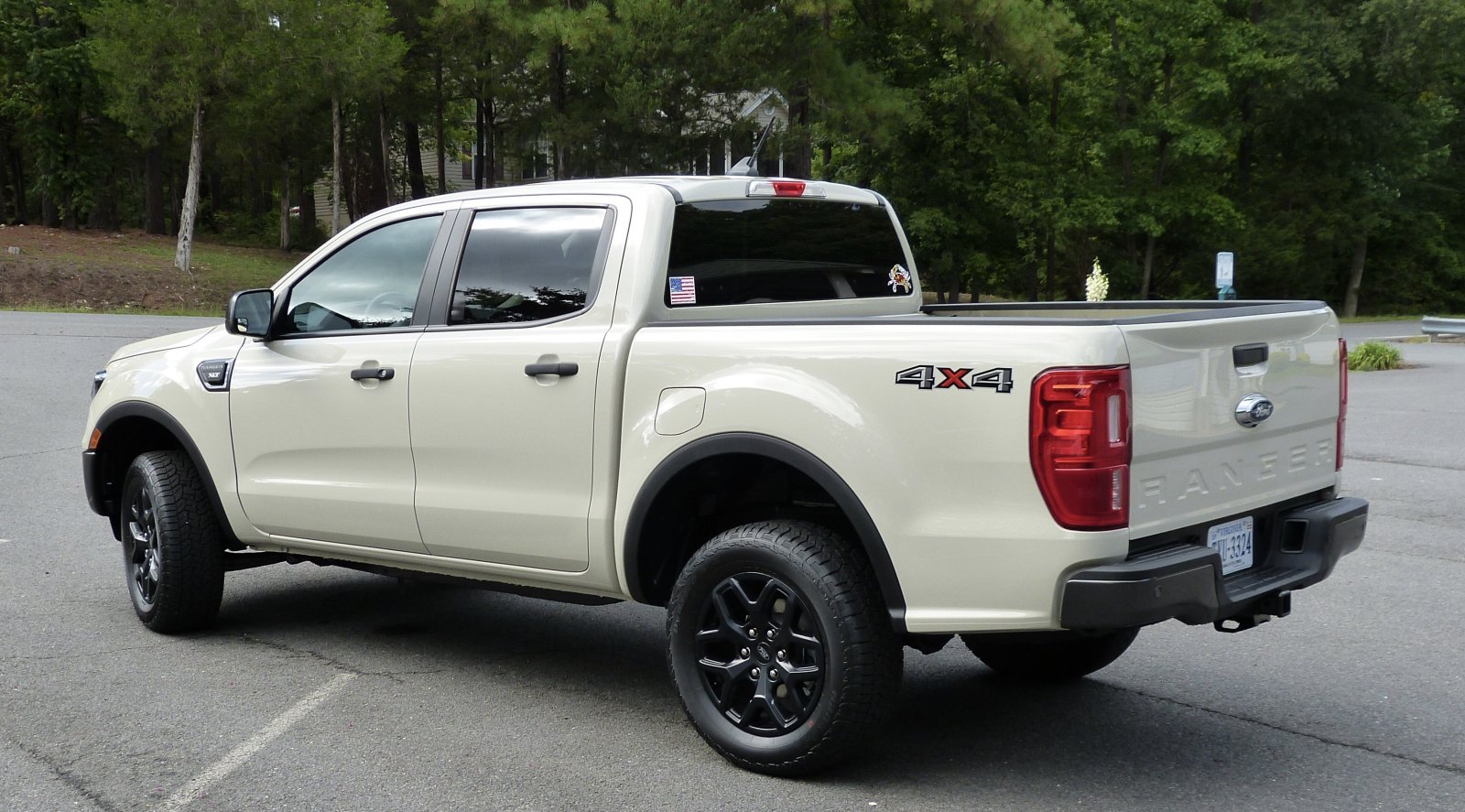
2022 Ranger Splash Desert Sand
- By Rangermrd,
- 0
- 0
- 1
-
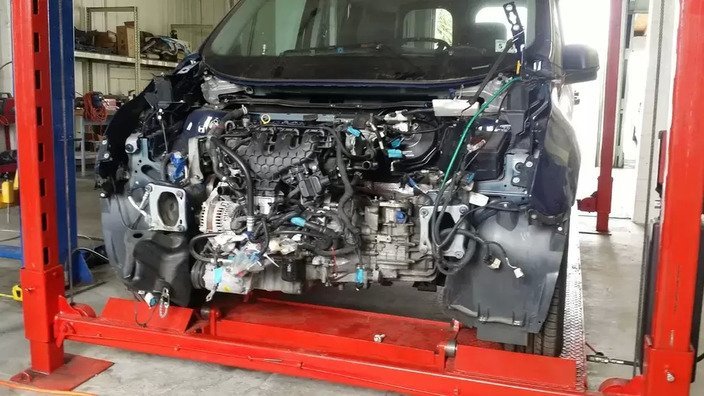
Performance Tuner Connects
- By LostInTransit,
- 0
- 0
- 7
-
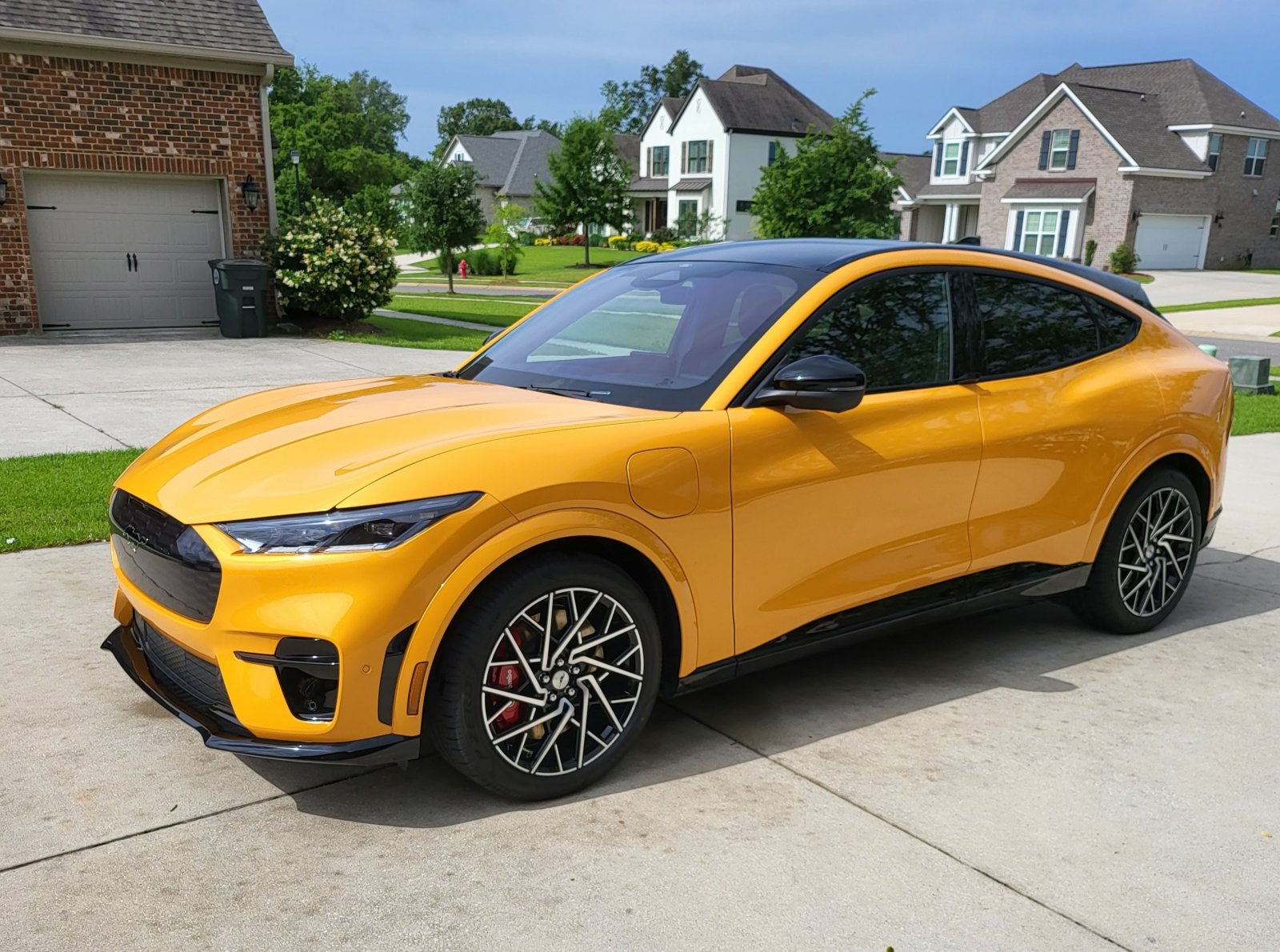
amtrucker22
- By amtrucker22,
- 0
- 0
- 1
-
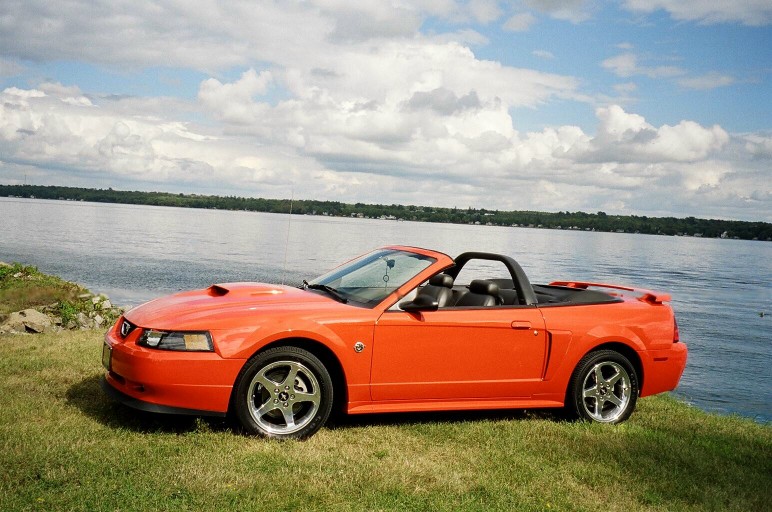
4 CRUZEN
- By 04GT,
- 0
- 0
- 4
-
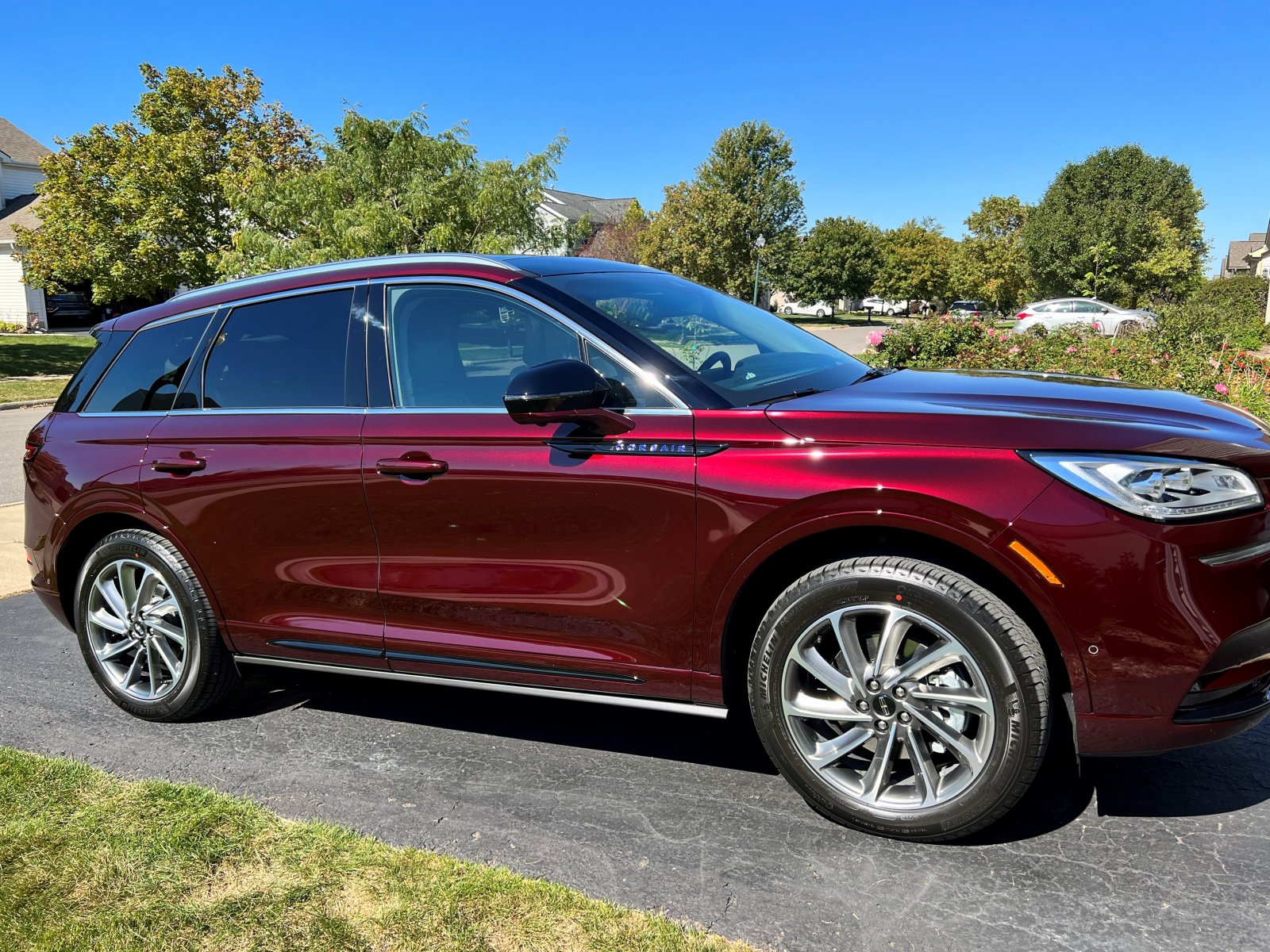
2021 Lincoln Corsair Grand Touring in Burgundy Velvet
- By RedHoncho01,
- 2
- 1
- 3
-