-
Files
-
Popular Contributors
-
1

-
2

-
3

-
4
-
5
-
6
-
7
-
8
-
9

-
10
-
-
Posts
-
 Agree and using Bronco as the foundation for T6 vehicle modules did a lot to improve that. but Ford is also showing that a vehicle just below Ranger and perhaps one ever so slightly larger is a better strategy for North America? Tacoma is more popular than Ranger or even Colorado, that may be due to a slightly wider cabin and body which leads me to think that Ford may have plans for the T6 Super Duty chassis beyond Global’s current use as a SD Ranger. Although the bodies are narrower than F150, T6 Track is similar width as F150, so could Ford be in a mood to create F100 with a slightly roomier body….
 -

By Sherminator98 · Posted
It would be cheaper to build because it wouldn't have DOHC head on it. It would also offer more torque down low but it gives up HP in its current state also. Plus who knows how emissions might affect Coyote vs the Godzilla engine. -
Hopefully another pop in the stock will take place in late 2026 or early 2027 as mass production of CE1 vehicles in Louisville, KY becomes reality
-

By DeluxeStang · Posted
We might see substantial active aero on this thing. That would be pretty radical, but awesome, I can't think of another affordable model with advanced active aero so this could be pretty revolutionary. https://fordauthority.com/2026/05/future-ford-pickups-could-get-fins-for-aerodynamics/ -
By Sherminator98 · Posted
I saw this pop up on my daily review of my stocks and I was like WTF caused this pop in the stock?! -
Solid boom is what happened to Ford's stock price today following the formal announcement of Ford Energy on Monday. Crossin' my fingers that the big shot in charge of this division, Lisa Drake, doesn't screw it up. Investor support for Ford Motor's energy storage business sent its stock soaring 13% Wednesday, the biggest single-day increase in about six years, following a note from Morgan Stanley highlighting details released by the company on Monday. Ford announced its wholly-owned energy subsidiary late last year, and it is being directed by Lisa Drake, who has been a key leader in the company's efforts around electric vehicles.
-
By Sherminator98 · Posted
The current Ranger is a huge improvement over the last gen when it comes to that -
 My city bought the Explorer's with the 3.0L and love it, well the mechanics loved it as well, said the engine was great, it was just "other things" were annoying. Then they switched to Tahoe's because they are cheaper, cheaper to insure as well.
 -
 6.8 never made sense to me in a 3/4-1 ton, figured they were doing that to justify eventual use in F150 or mustang given the megazilla crate engine... but iunno. Simplifying the process and builds makes sense. HO and standard engines don't make sense to me either when it's just a tune and couple small parts, just put it on everything and up the price a little.
 -
By fuzzymoomoo · Posted
people don’t realize just how much it shares with Bronco. Everything from the firewall forward is shared with Bronco, save for some different bracketry on the crash rails and rad supports.
-
-
Topics
-
-
Top Downloads
-
-
Albums
-
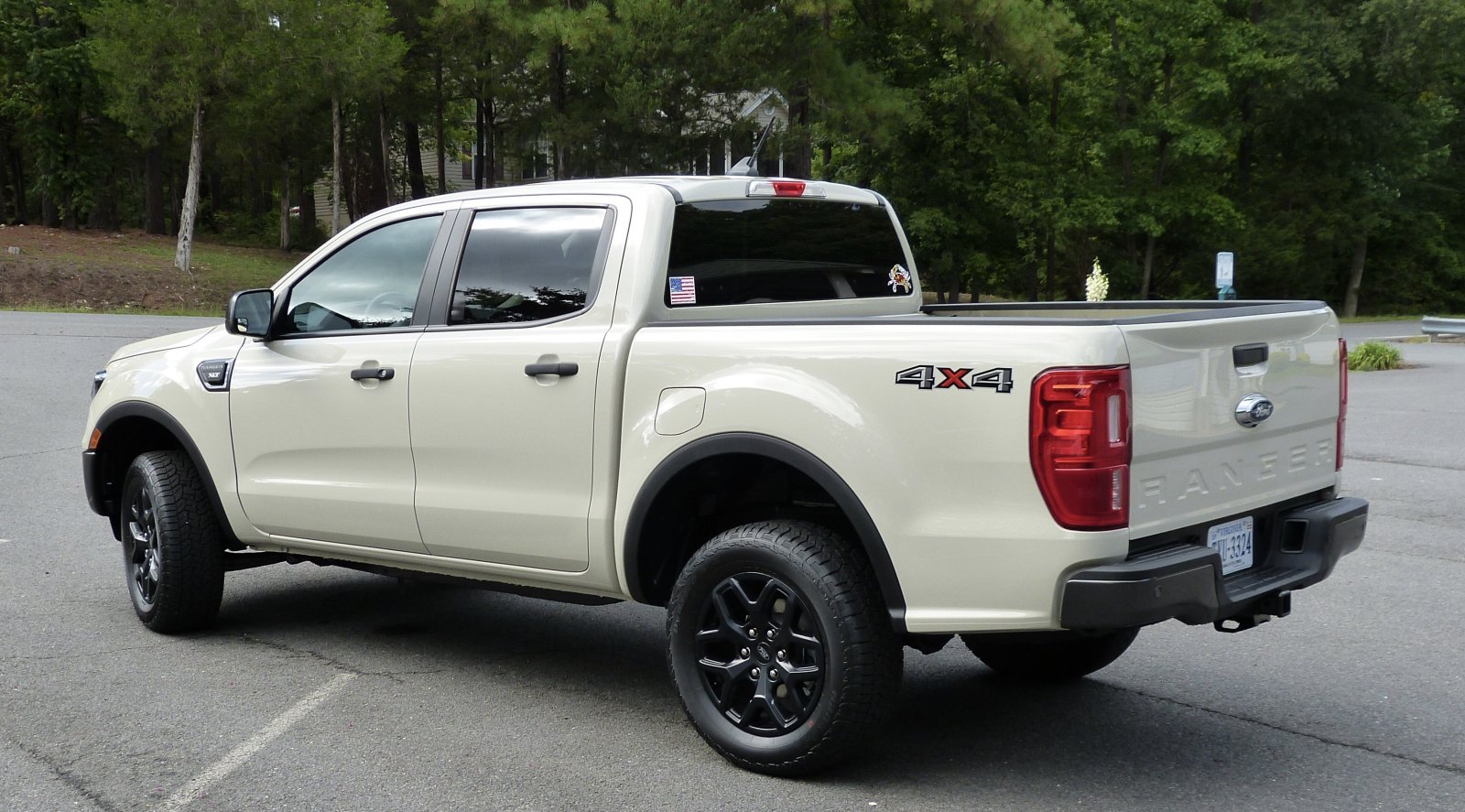
2022 Ranger Splash Desert Sand
- By Rangermrd,
- 0
- 0
- 1
-
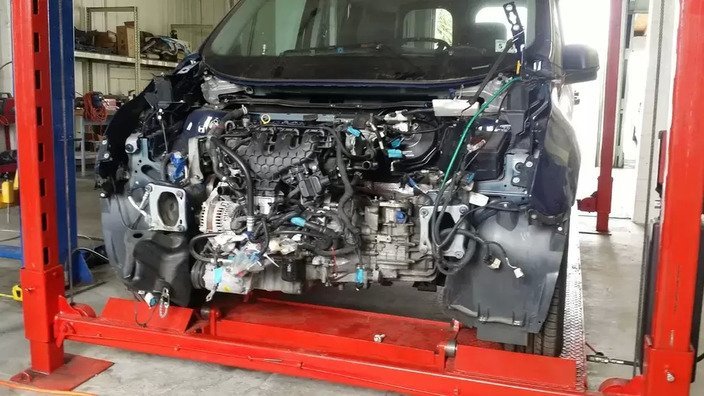
Performance Tuner Connects
- By LostInTransit,
- 0
- 0
- 7
-
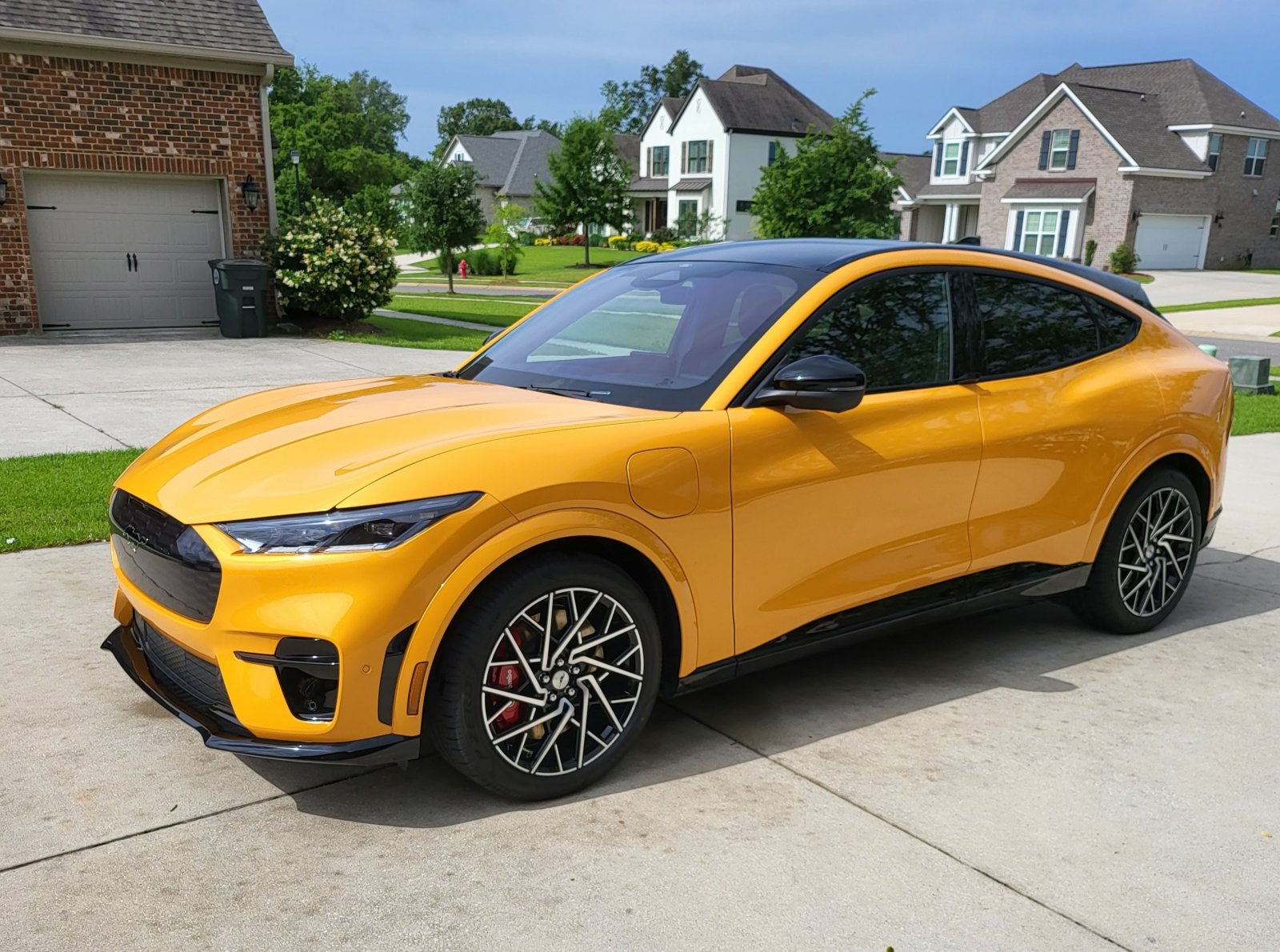
amtrucker22
- By amtrucker22,
- 0
- 0
- 1
-
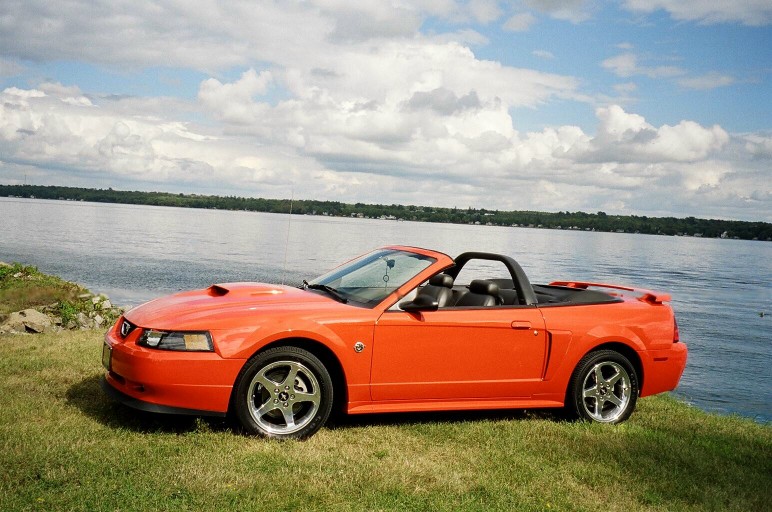
4 CRUZEN
- By 04GT,
- 0
- 0
- 4
-
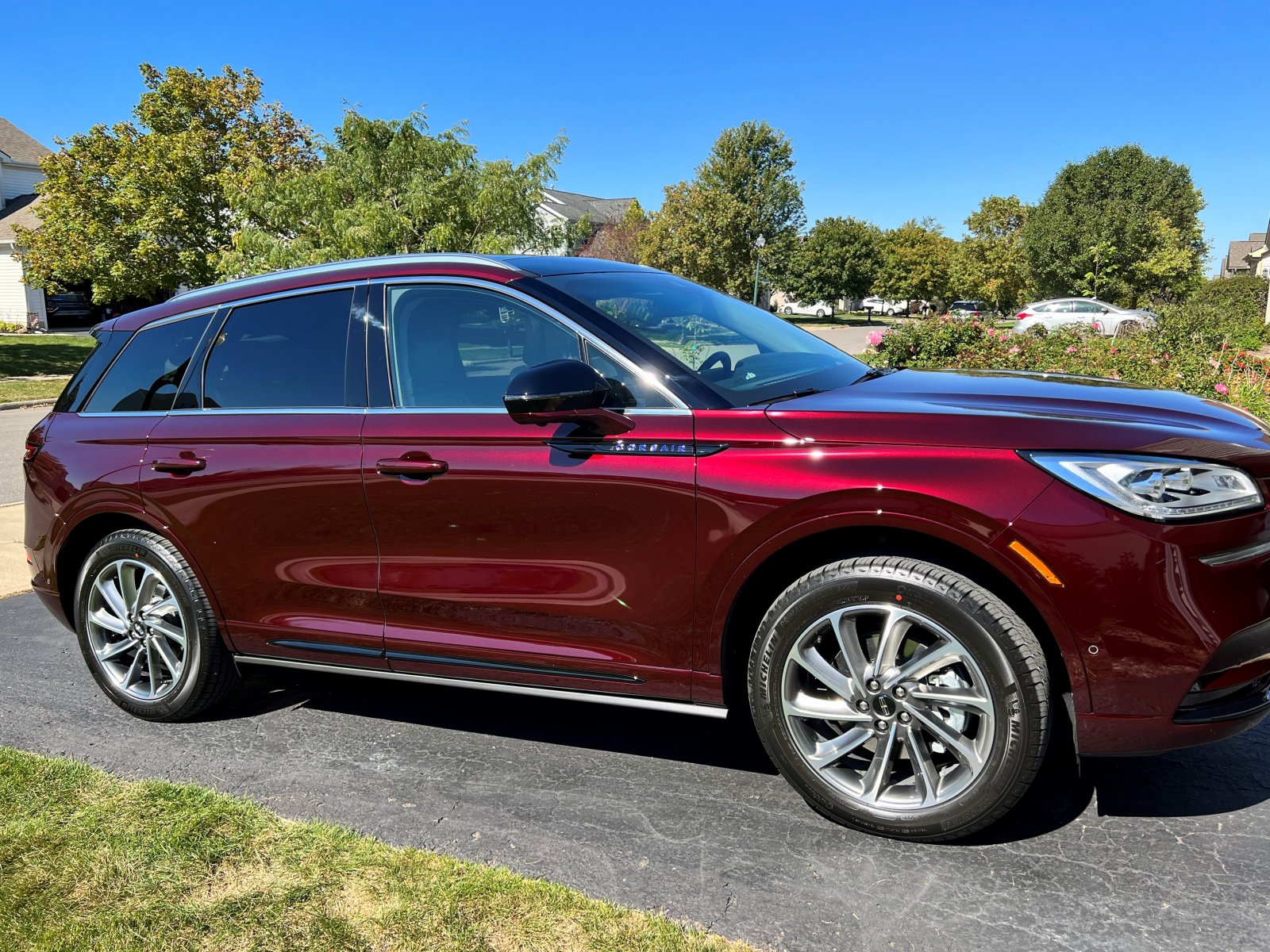
2021 Lincoln Corsair Grand Touring in Burgundy Velvet
- By RedHoncho01,
- 2
- 1
- 3
-