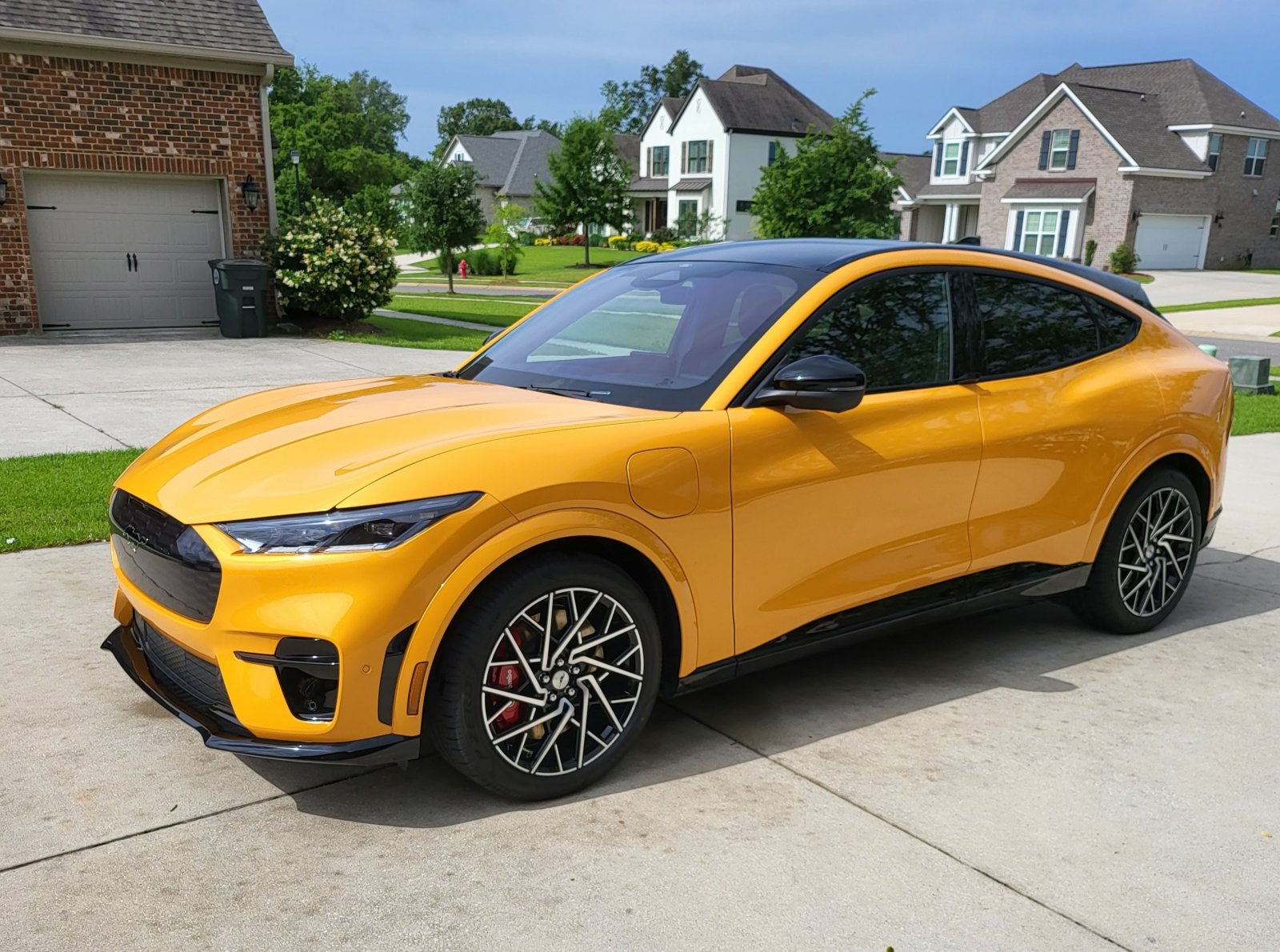
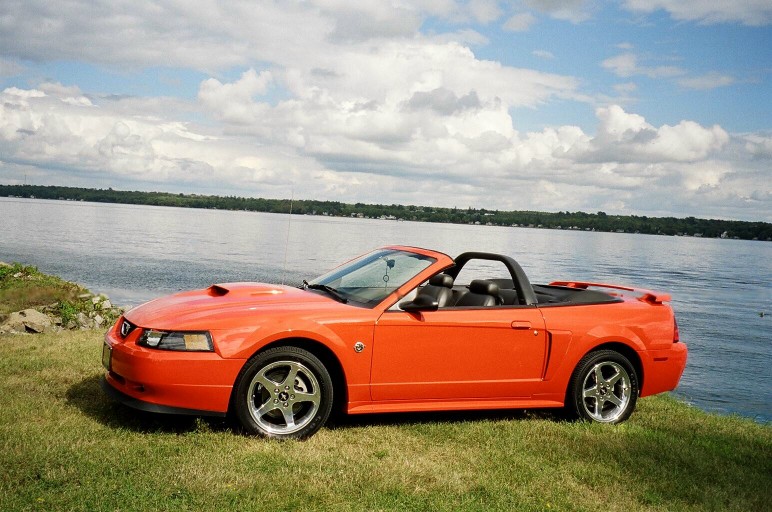
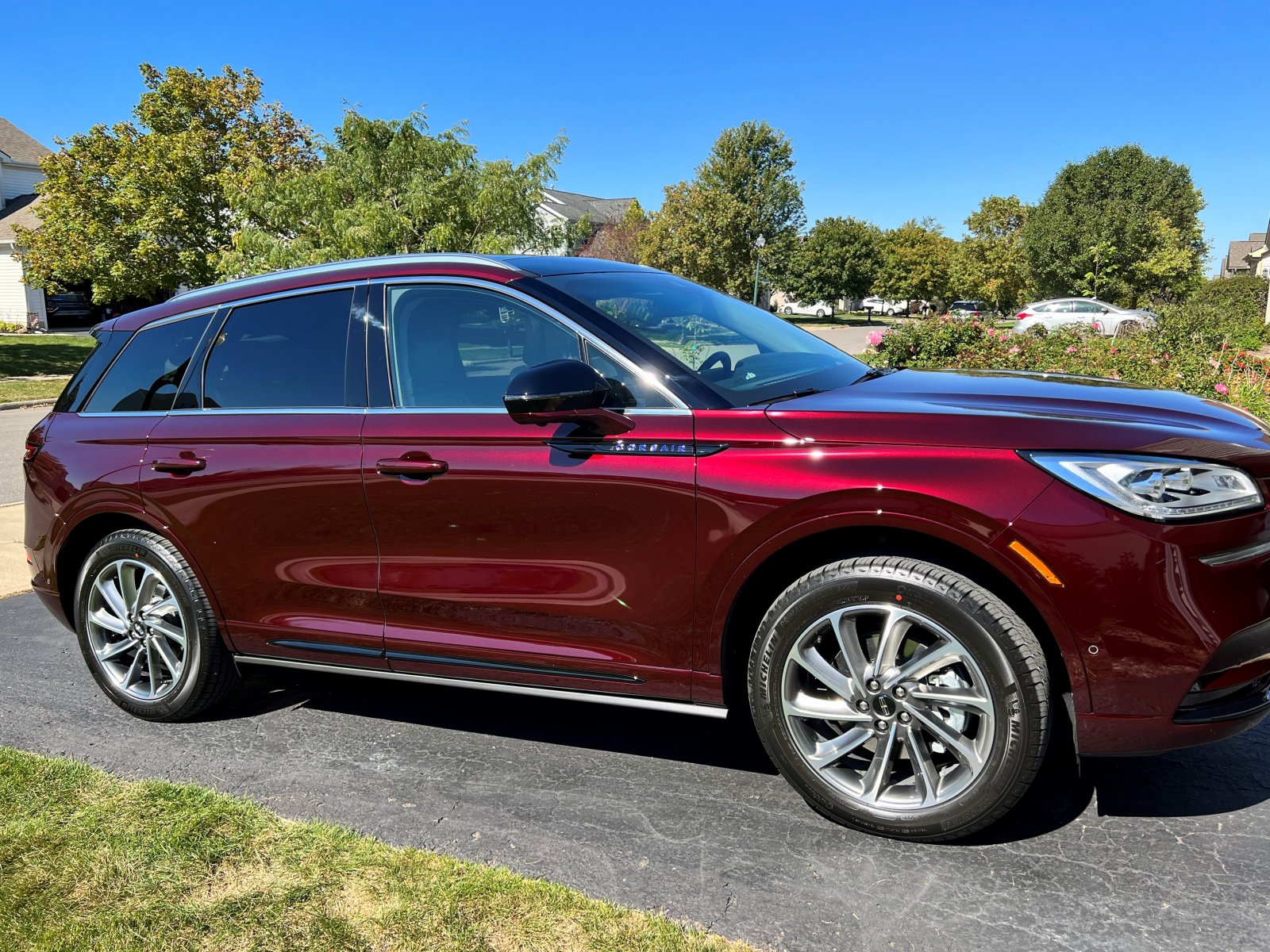
American consumers want the technology and product pricing that them Chinese automakers have to offer. Eventually, those companies will fulfill that demand, whether or not the U.S. government acts upon POTUS' recommendation Let China come in.
https://www.nytimes.com/2026/01/24/business/general-motors-ford-canada-china.html?searchResultPosition=2
Americans already encounter Chinese models on trips to Mexico and will soon begin to see them on visits to Canada or when Canadians drive them across the border. It may become increasingly difficult for U.S. policymakers to explain to Americans why they can’t buy the same attractively priced Chinese electric vehicles available to Canadians and Mexicans.
I was thinking of this new TTP affordable truck that's supposedly a new type of truck.
What if it was a midsized truck with a midgate and a removable rear roof section? Maybe even with optional 3rd row seats? Crossover with seating for 6, seating for 4 with enclosed cargo room, seating for 4 with an open bed or seating for 2 with a larger open bed? Probably unibody with a hybrid powertrain.
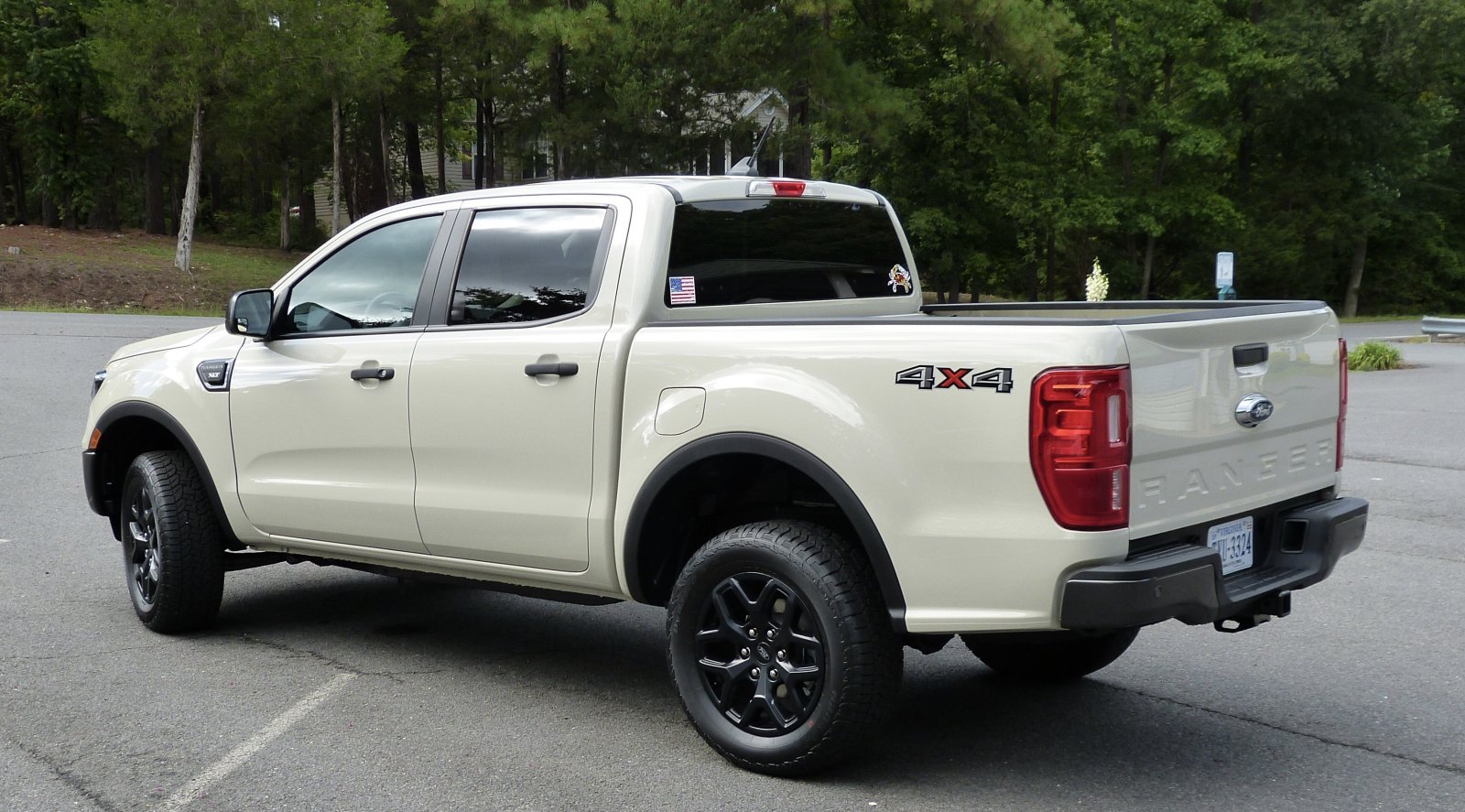
That would certainly be different from Maverick and Ranger.
While I happened to like the Mercury look too, Mercury was nothing more than the "homogenized Fords with makeup without premium feel"............Mercury interiors were literally a different shade of tan/different seat fabric.
Funny you mention the Flex, though - I had drawn a Mercury version back then and called it Magellan. I'll have to dig it up.
The average consumer doesn't keep up with the workings of the auto industry. GMCs were more different 60 years ago; GMCs were first to get quad headlights, had V6 vs inline 6 as standard etc. which made them "better" than a lowly SHIV-olay (sic). When I was selling Fords back in the 80s & 90s, I had a customer that wanted to buy an Aspire, because he would never buy a foreign car. I wonder if JD Power has ever conducted a survey of Nautilus and Envision owners to find out if they knew beforehand that the cars are imported from China.
The 1978 Recall Fix: After a NHTSA investigation, Ford recalled 1.5 million Pintos and Mercury Bobcats. The fix included:
Plastic Shields: Polyethylene shields were installed between the fuel tank and the differential to protect against punctures from protruding bolts.
Fuel System Upgrades: A longer fuel filler neck, improved seals, and a stronger gas cap were added to prevent fuel from spilling during a collision.
Resulting Safety: The combination of these modifications was considered the "best possible outcome" at the time, effectively reducing the risk of fuel tank rupture and subsequent fires to a level comparable with other subcompact cars of that era.
Why the Plastic Shield Succeeded:
The plastic shields were effective because they addressed the specific mechanical failure of the Pinto: the fuel tank being driven into the sharp bolts of the differential during a rear-end impact. By acting as a buffer, the high-density plastic prevented these bolts from puncturing the metal tank, thereby stopping the rapid fuel leakage that typically led to fires.