-
Files
-
Popular Contributors
-
1

-
2

-
3
-
4
-
5
-
6
-
7
-
8
-
9
-
10
-
-
Posts
-
Yea, that's a concern. Fortunately, EDF has strict guidelines for BESS Fire Safety and Risk Management, documented here. In NYS, EDF has the following BESS projects underway: Fraser Energy, 120 MW BESS, Town of Hamden, Delaware County, expected operation in 2028 Rich Road, 240 MW solar + 20 MW BESS, Town of Canton, St. Lawrence County, expected operation in 2028 Ridge View Energy, 350 MW solar + 20 MW BESS, Town of Hartland, Niagara County, expected operation in 2029 Rosalen Solar and Storage, 200 MW solar + 20 MW BESS, Towns of Rose and Galen, Wayne County, expected operation 2030
-

By twintornados · Posted
I hope this new venture doesn't fall into a case of NIMBY when BESS units are proposed in localities across any proposed area...I have read several NYS articles about local opposition to the units out of fears of uncontrolled fires that burn for days and explosions of units in "thermal runaway"....unless Ford can show how LFP units are safer than Li-Ion units, this might just become another "problematic technology" that Ford will eventually lose money on and dump out of to "focus on its core unit". I certainly hope I am wrong here. -

By DeluxeStang · Posted
Or like I said to Sherm, if they had done something neat with active aero that was new, that would have been a lot cooler than this. Having a technical showcase for new engineering as a throwback to the radical engineering of the old daytona, but in a modern way. That's a lot cooler than just throwing a gaudy tacky looking wing on the back and saying "Remember when this was cool?" -
Maybe this is why. Is Peterbilt/Kenworth experiencing the same downturn as International and Freightliner in class 8? https://share.google/5h9jf7QDXGkO6ATeY https://share.google/w7vGe96G2nMUSTrFO
-
By twintornados · Posted
The way I see it, the 6.7L Cummins gasser has one thing the Ford gasser doesn't...a gear driven air compressor, that might just be the one and only stand out option for a class 6/7 gasser that Ford does not offer. Will it be enough to make a difference in sales? @Bob Rosadini has been beating that drum for years and I defer to his knowledge in the area. ADD ON: The PB gasser for U-Haul has juice brakes - so wondering if the related Cummins Octane has the compressor deleted. -
Yeah 7M3, you beat me to the punch. I just saw this a few days ago. So now it's time for Ford to get back at the big boys. It's very easy for a class 8 mfr. to downsize and invade the class 6 & 7 medium duty market. It might be a little harder for Ford to enter/invade the class 8 market but they can do it if they try hard enough. Ford is selling mediums without even trying! Imagine if they tried harder in the medium segment!!! You're absolutely right that they're trying to knock Ford out of mediums. Freightliner did something similar with the CT DOT. I'm seeing a ton of tandem axle dumps which Ford doesn't make. Ford needs to get into class 8 vocational and single- and tandem-axle tractors like Bob R -- and I -- have been saying forever! Forget the sleeper cabs for now. Two rails, some crossmembers, an engine, tranny and axles can't be too much for Ford to come up with, can it? The U-Haul F650 is a huge enough vehicle. I don't think the average homeowner/driver wants to drive anything bigger just so they can tell their friends, "Hey I'm driving a Peterbilt!"! Your question, "Does U-Haul know something?" is very interesting. Did Ford tell them they're getting out? Big mistake if they are. I know of lots of tree and landscaping companies using F250 to F750 in their fleets because of brand and dealer familiarity. I dare Ford to drop mediums. If they do, they can kiss a ton of loyalty in class 1 thru 5 goodbye! On another note: Ford and GM could be supplying military vehicles/weapons. https://share.google/ftErI29HDoIr3leTD And: https://share.google/bLTlRdNhb5fA2ldJX :
-
-
But the Chrysler aero twins weren't that successful on the track. The Torino Talladega absolutely dominated Nascar in 1969.
-
I know Ford puts Pro Elite dealers through the wringer, but they all seem to be doing well, at least around me. Maybe you are right, the owner wanted to sell out.
-
2027 ID Buzz for the U.S. market was confirmed last week: ID. BUZZ After a hiatus for model year 2026, the ID. Buzz rejoins the 2027 Volkswagen model lineup with a new offer structure—trims now include Pro S RWD, Pro S 4Motion (new), Tourer 4Motion (new), and Pro S Plus 4Motion. The lineup also features revised color and wheel options, along with new hard buttons on the steering wheel. Built off the European “Good Night Package,” the Tourer includes a fold-out mattress with platform, window blinds, front window ventilation panels, an exterior table and chairs, and Overnight Mode software that adapts interior and exterior functionality to enable the vehicle to be used for overnight stays. Built off the Pro S 4Motion model, the ID. Buzz Tourer adds a retractable tow hitch, Captain’s Chairs, an electrochromic smart roof, Area View, and 20-inch dark graphite wheels with black discs. All ID. Buzz models benefit from Volkswagen’s latest ID.S 6 software. This Android-based system introduces enhanced content to improve the user experience, including a refreshed navigation home screen for quicker inputs and a new vehicle settings page for more intuitive access to interior features. ID. Buzz models come with a one-year trial of In-Vehicle Premium which introduces the new App Store that offers in-vehicle access to popular third-party apps such as YouTube® and Spotify®. The ID. Buzz also features a North American Charging System (NACS) adapter and one pedal driving functionality. The color offer has been simplified to reduce complexity. Only two-tone paint schemes will be offered, and new Candy White over Cherry Red scheme with white wheels evokes an iconic Type 2 Microbus color combination. The top trim now offers an optional 21-in wheel package.
-
-
Topics
-
-
Top Downloads
-
-
Albums
-
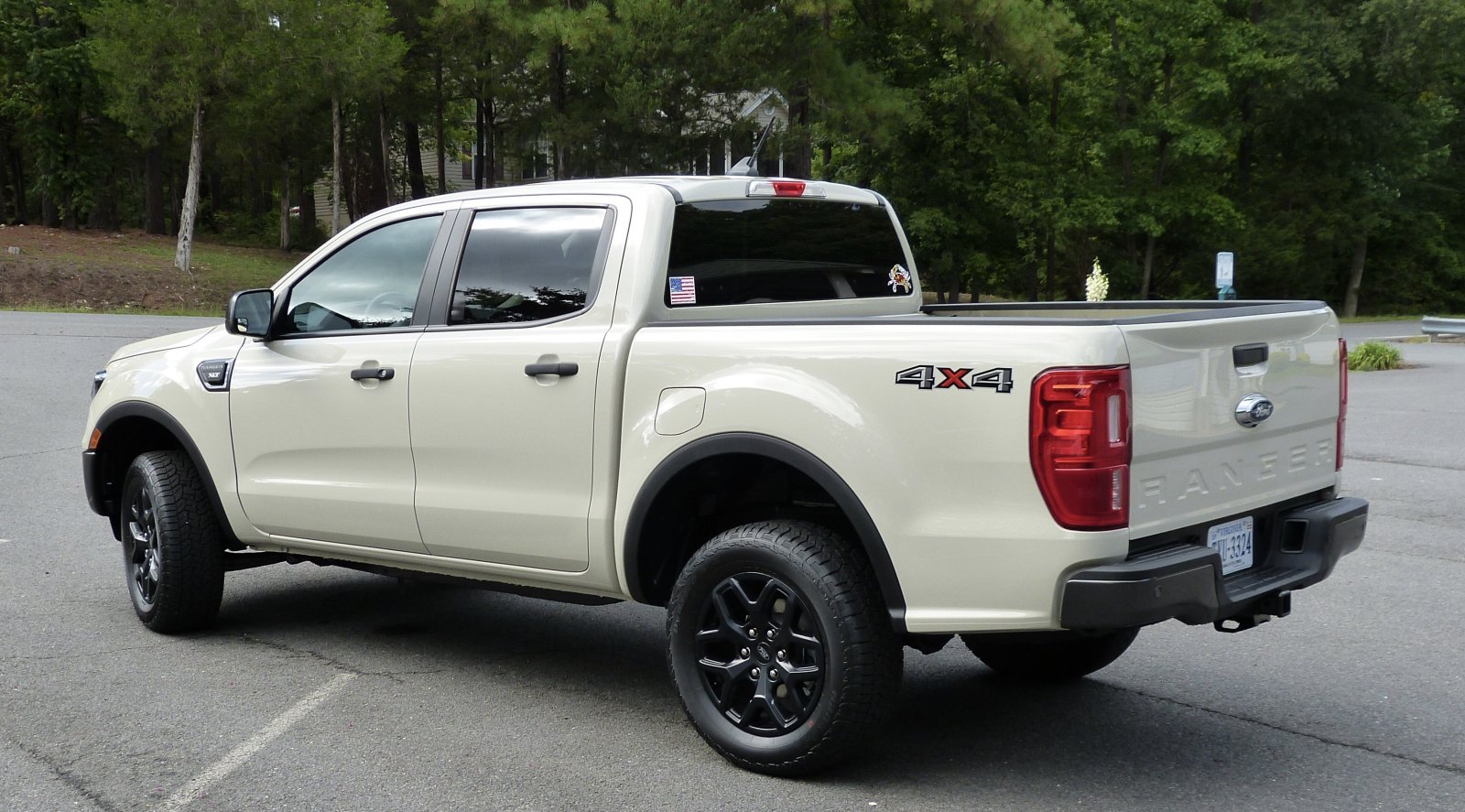
2022 Ranger Splash Desert Sand
- By Rangermrd,
- 0
- 0
- 1
-
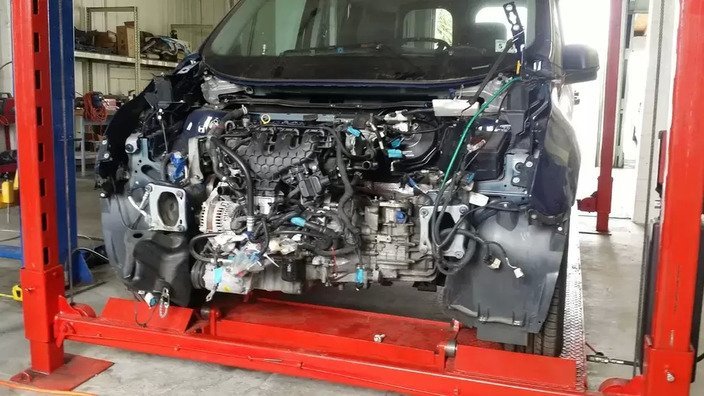
Performance Tuner Connects
- By LostInTransit,
- 0
- 0
- 7
-
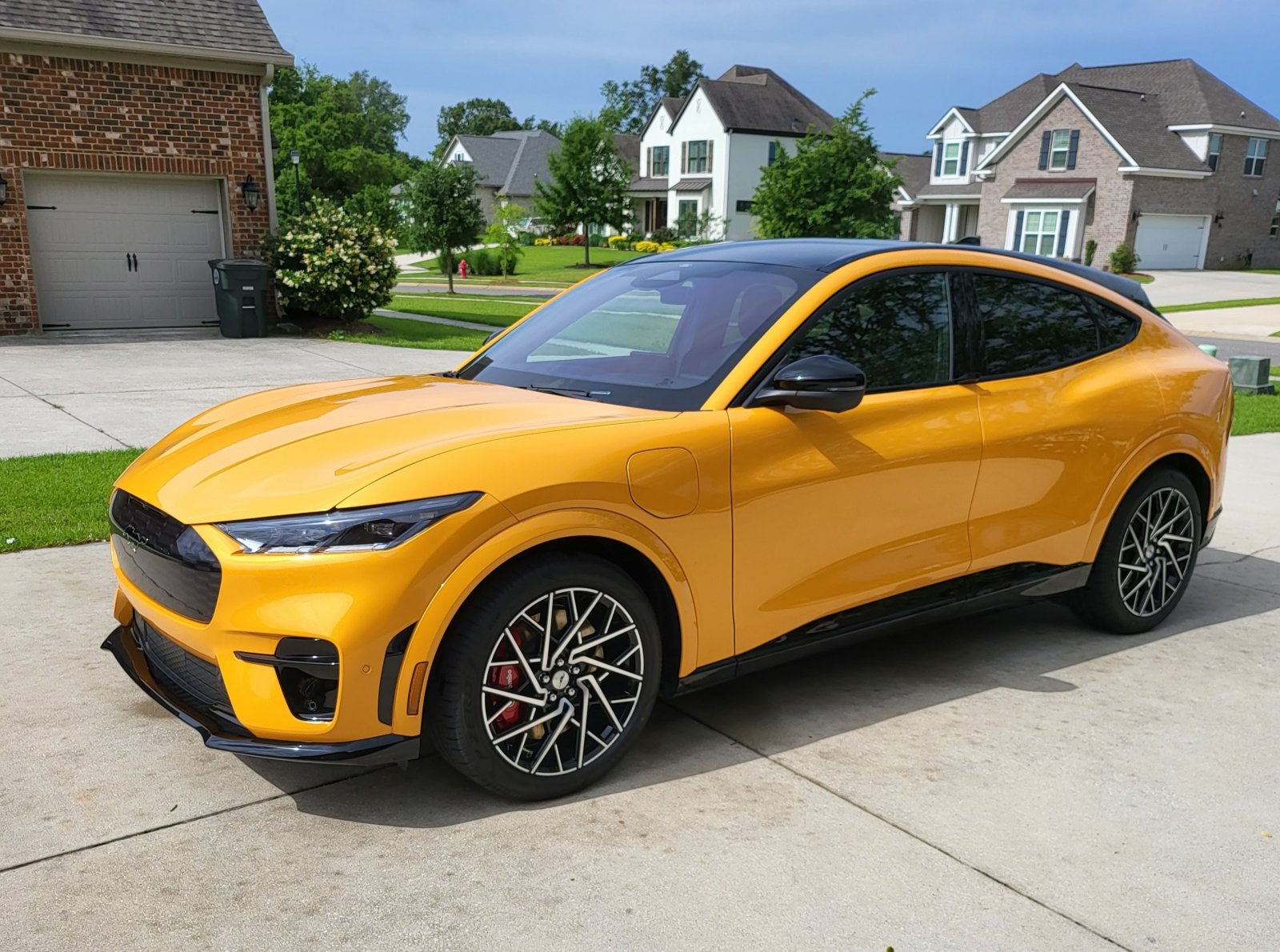
amtrucker22
- By amtrucker22,
- 0
- 0
- 1
-
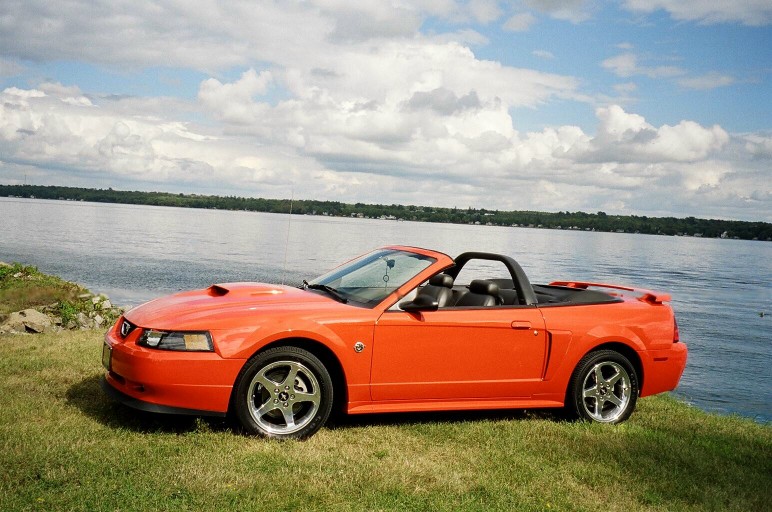
4 CRUZEN
- By 04GT,
- 0
- 0
- 4
-
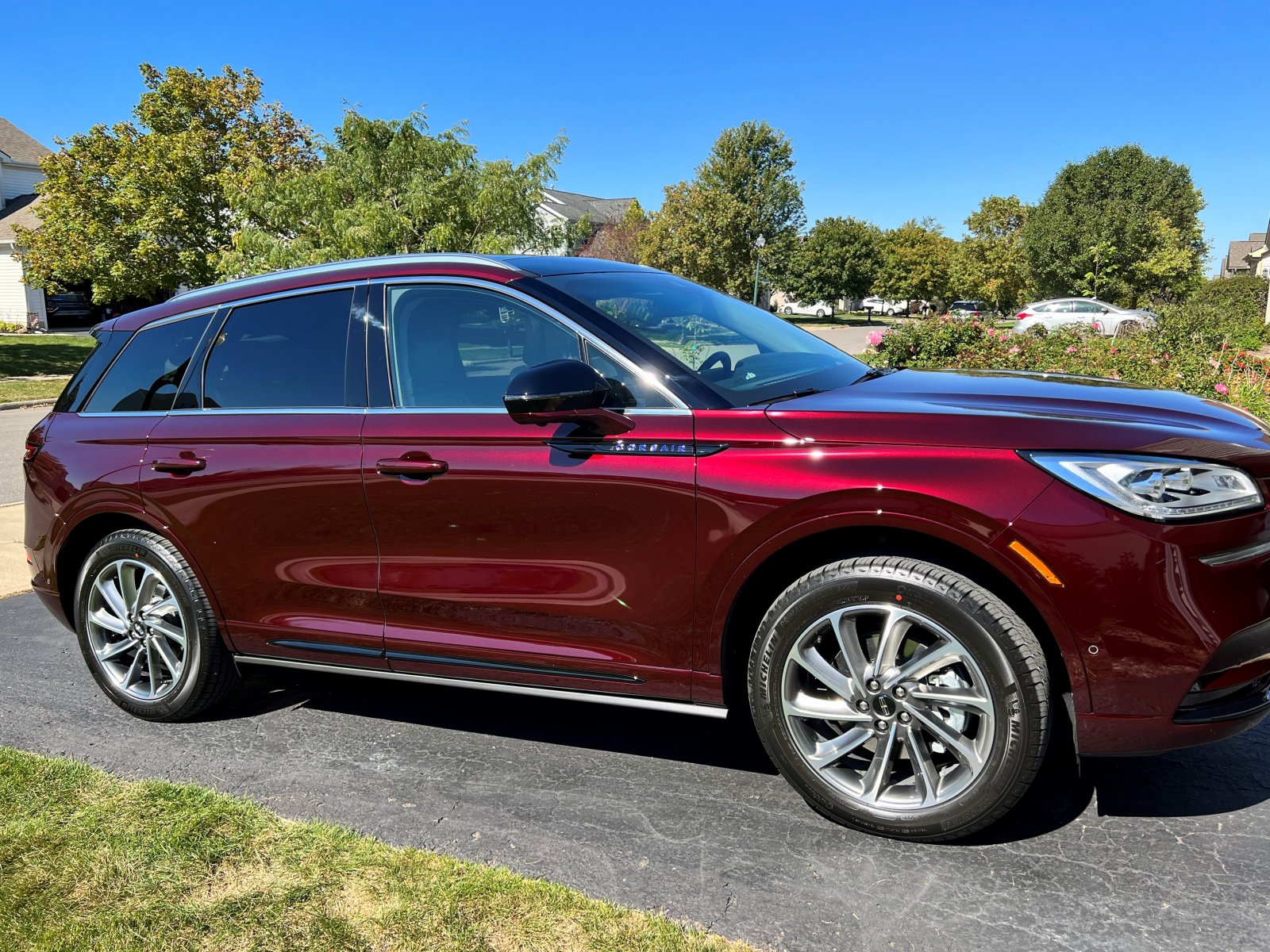
2021 Lincoln Corsair Grand Touring in Burgundy Velvet
- By RedHoncho01,
- 2
- 1
- 3
-