-
Files
-
Popular Contributors
-
1
-
2

-
3

-
4

-
5
-
6
-
7
-
8
-
9
-
10
-
-
Posts
-
I agree that that would make more sense. Ford doesn't seem to see a problem overlapping 87 different trucks, but let's not have anything between Bronco Sport and Explorer lol.
-
I guess it'll slot in below Passport? Ford needs to add a hybrid to BS yesterday.
-

By twintornados · Posted
Ranger would likely move to TTP and Bronco pickup gets built right next to Bronco at MAP...not sure how that would make sense to give Ranger competition from your own field but then again I cannot figure out Fords plans as they keep changing them. -
By twintornados · Posted
I'd have bought a Bronco Sport in a NY Minute if it was available as a hybrid. -
Range is more than enough for many kinds of businesses that have fleets of light duty pickup trucks used primarily for local and regional operations.
-
By Harley Lover · Posted
Too early to contain product details, other than it will be a hybrid between the CR-V and HR-V: -
All that's needed to access the hood release latch on EQE, EQS, and similar Benzes is an allen key screwdriver bit
-
Simply too high. I like the concept of the slate truck but, honestly, it should start at $15,000. There’s no possible way a small two-door truck with crank windows, a cheap interior, no screens, poor range, and no AWD should start at the current price. Now that the Ford EV truck is coming, it just doesn’t make sense to own this unless you are infatuated with the idea of the two-door truck.
-
Agreed.....just curious where they take it. I think articles and reports like this always get confused with model year and calendar year. For example, if something could come "in" 2029, but it'd be a 2030 model. I don't think they want it to be a PHEV, though.
-
Slate’s Bare-Bones EV Pickup Starts At $24,950 With 205 Miles Of Range - Autoblog Along with the pickup first shown in April 2025, two SUV packages, dubbed Squareback and Fastback, also will be available at launch, starting at $29,950. Buyers of the pickup will also have the option to convert their trucks to SUVs later. Instead of offering standard and long-range battery options, Slate will stick with a single lithium-iron-phosphate pack. It will deliver an estimated 205 miles per charge, 37% now than what the original standard pack was expected to offer.
-
-
Topics
-
-
Top Downloads
-
-
Albums
-
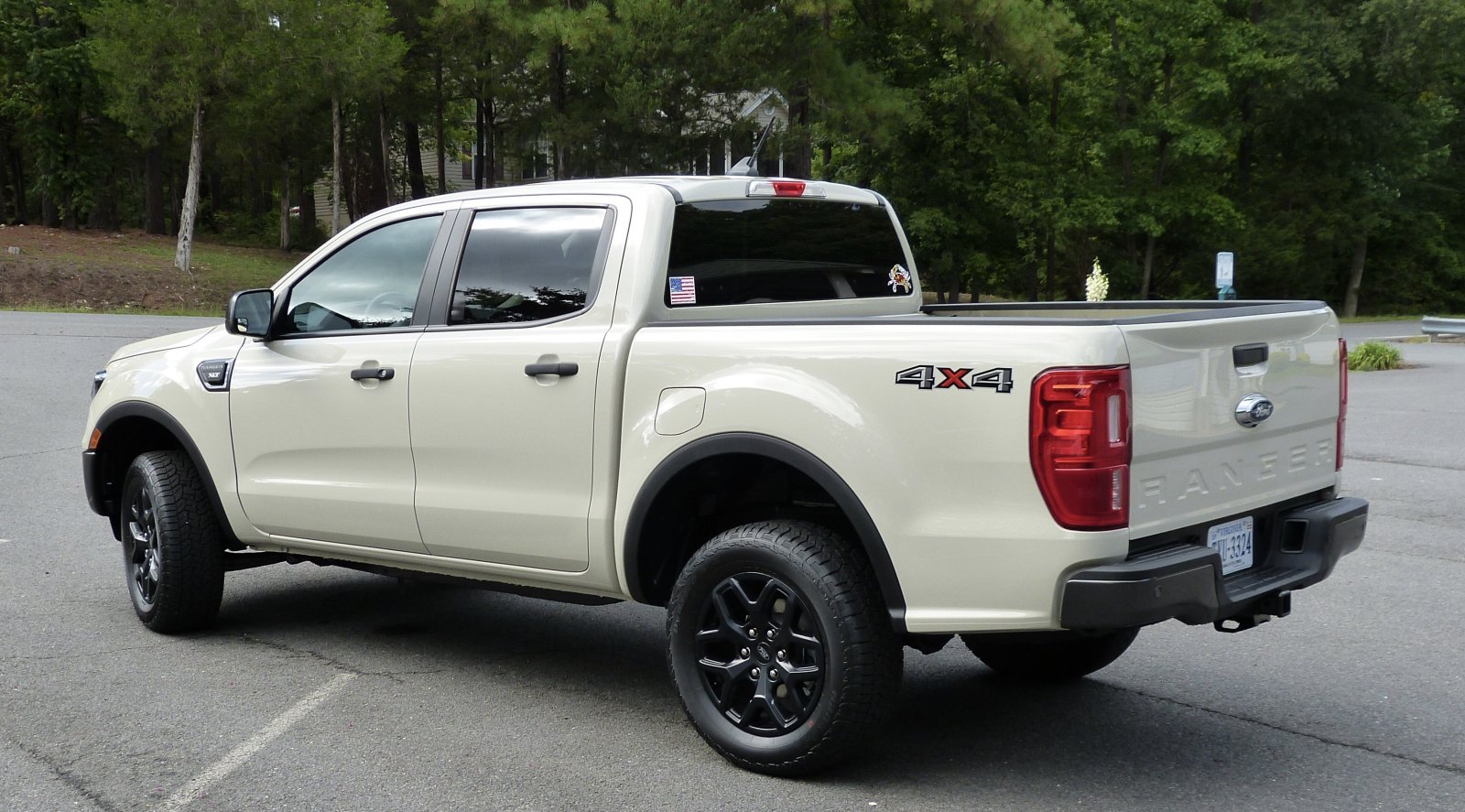
2022 Ranger Splash Desert Sand
- By Rangermrd,
- 0
- 0
- 1
-
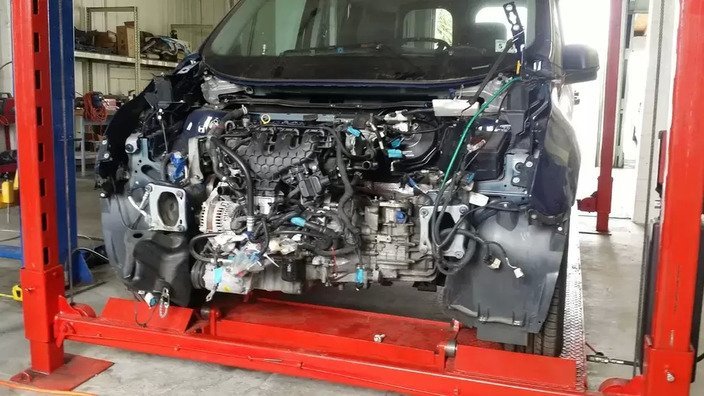
Performance Tuner Connects
- By LostInTransit,
- 0
- 0
- 7
-
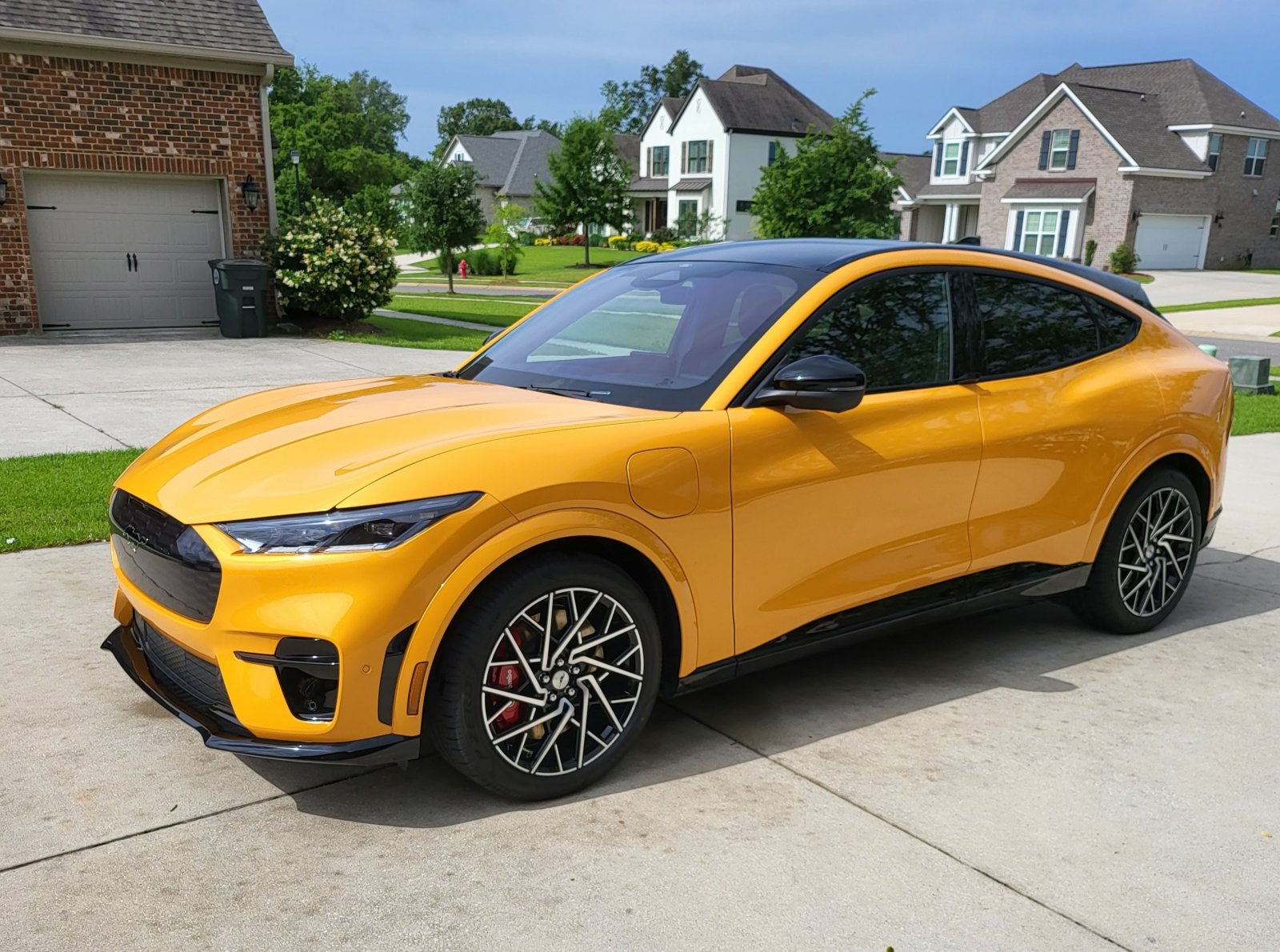
amtrucker22
- By amtrucker22,
- 0
- 0
- 1
-
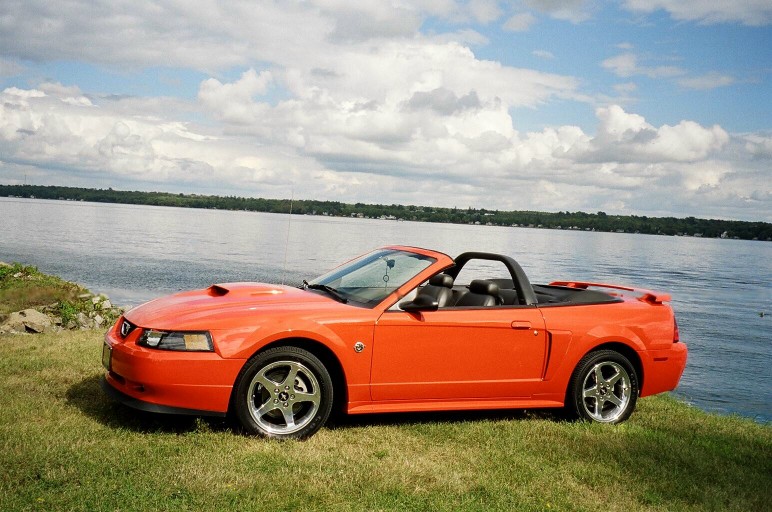
4 CRUZEN
- By 04GT,
- 0
- 0
- 4
-
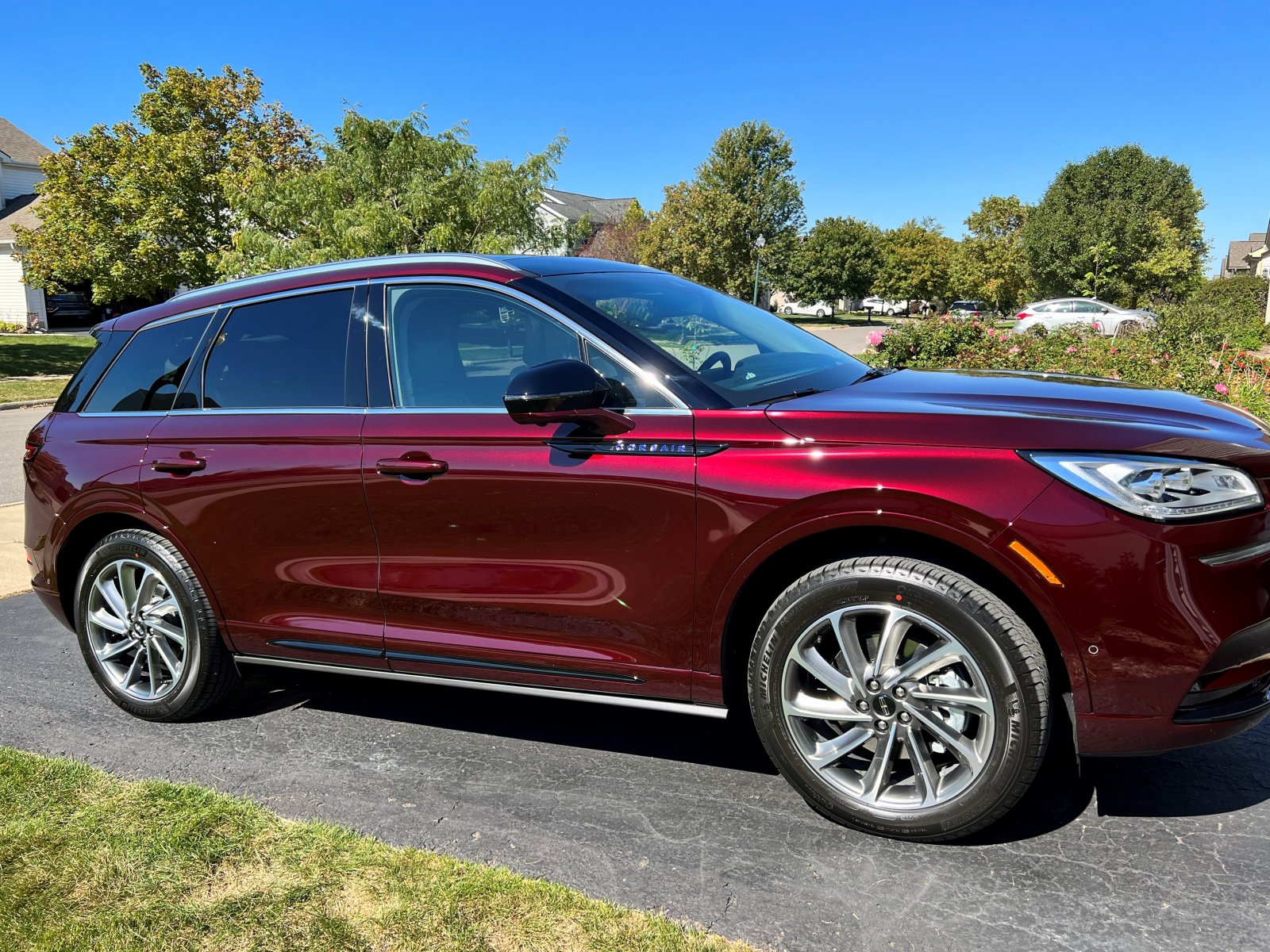
2021 Lincoln Corsair Grand Touring in Burgundy Velvet
- By RedHoncho01,
- 2
- 1
- 3
-