-
Files
-
Popular Contributors
-
1

-
2

-
3

-
4

-
5
-
6
-
7
-
8

-
9
-
10
-
-
Posts
-

-
Good idea.....I was thinking those were literal debut times with the reveal date hinted elsewhere, but your idea makes more sense. Or......maybe my "group 2" theory of them showing 2 models is true, and they show the truck 7/15, and the SUV 8/27.......though the SUV is I think a year behind the truck, so I think it'd be a waste to show it this early.
-
Right, so sounds like maybe a split approach would work better? I.e. global Hilux and Ranger stay "cheaper"/the work vehicles, while F-100 (and Tacoma) is the more "upscale" model for certain markets? I thought about that but figured it wouldn't do anything.
-
By DeluxeStang · Posted
I can't find the interview, but Farley has implied the truck would be revealed this summer. So with that in mind, I bet the departure and arrival times clue us in to when that will be. Either 7:15 aka July 15th, or 8:27 August 27th. Maybe they start a broader teaser campaign on July 15th, with a reveal on August 27th. -
Sure. Still a recall, but we'll see how many recalls are 2026+ products...
-
-
-

By Sherminator98 · Posted
Not an excuse, but those are at least 5 year old products that we know have issues for the big recall and the Bronco Raptor is manufacturing defect most likely due to a bad setting for the tool. -
 In related news, Ford re-hires old engineers to get recalls under control because AI AIn’t cutting the mustard. https://techcrunch.com/2026/06/28/ford-rehires-gray-beard-engineers-after-ai-falls-short/
 -
Here is an unobstructed pic of the ticket btw. I accidentally blocked the bottom.
-
-
Topics
-
-
Top Downloads
-
-
Albums
-
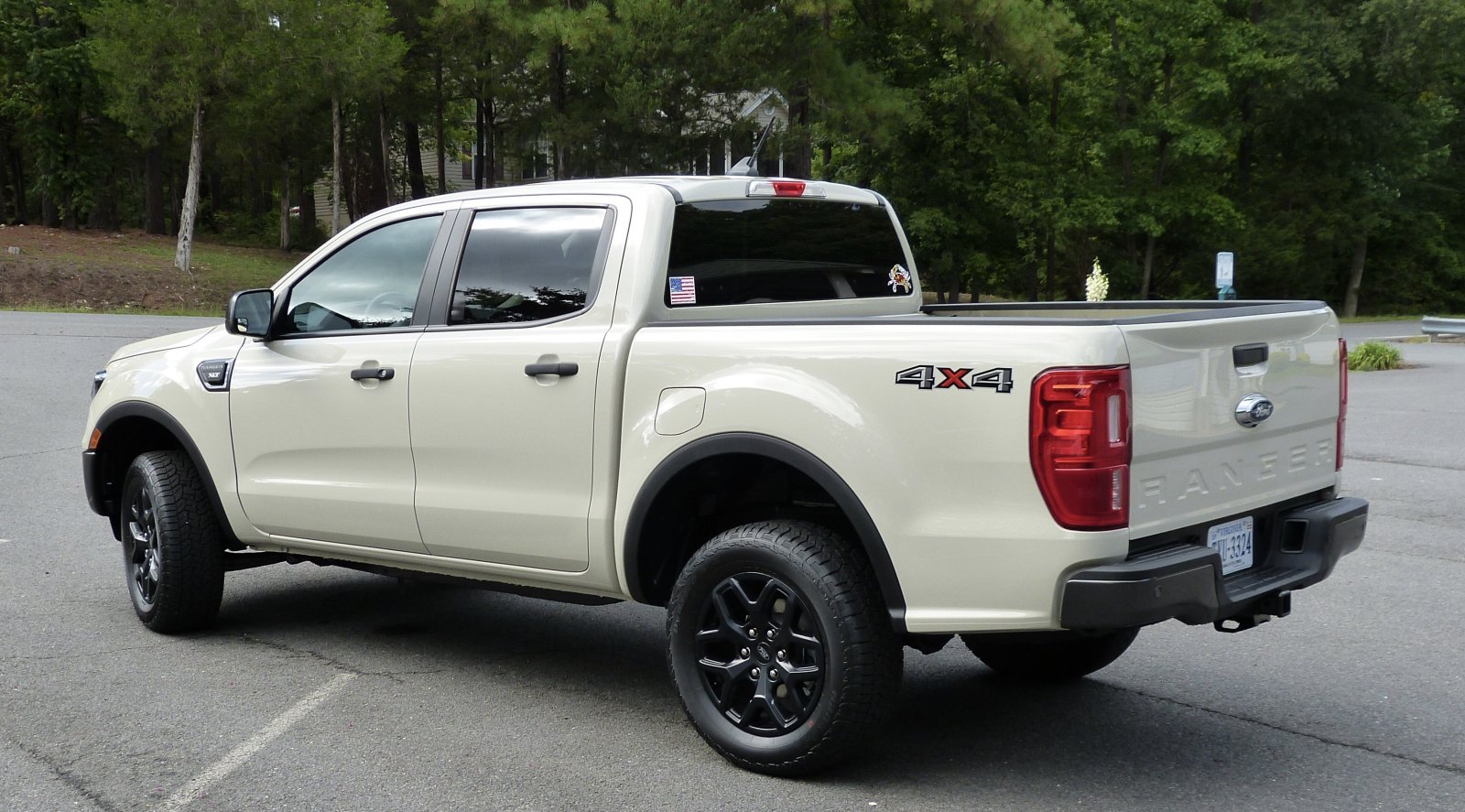
2022 Ranger Splash Desert Sand
- By Rangermrd,
- 0
- 0
- 1
-
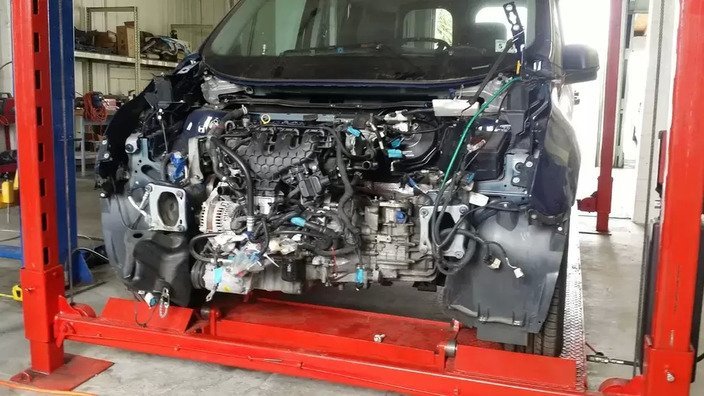
Performance Tuner Connects
- By LostInTransit,
- 0
- 0
- 7
-
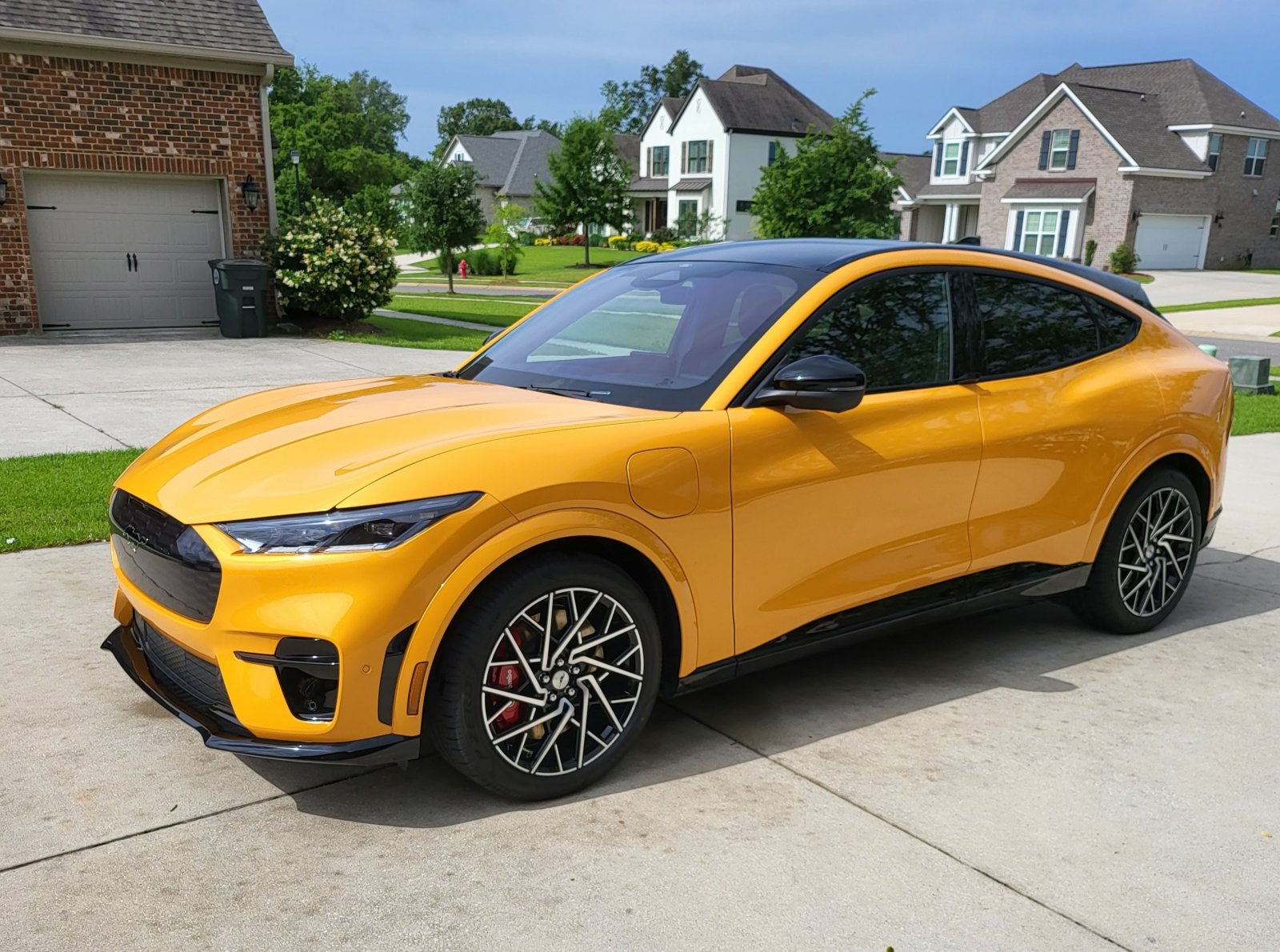
amtrucker22
- By amtrucker22,
- 0
- 0
- 1
-
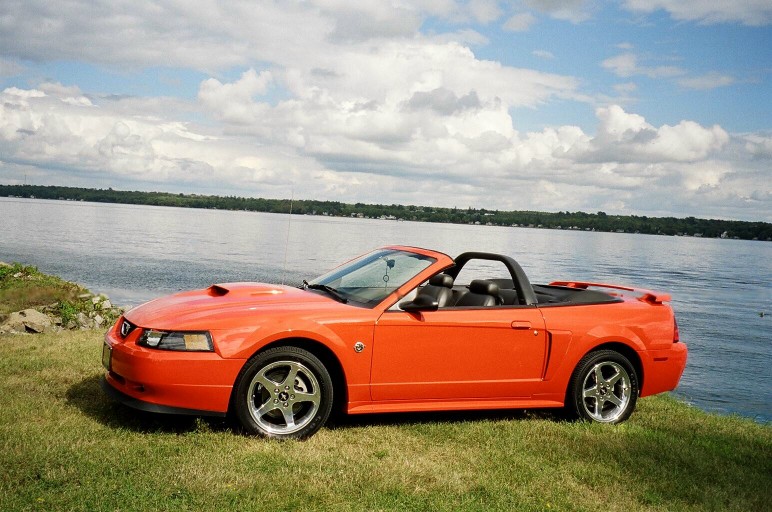
4 CRUZEN
- By 04GT,
- 0
- 0
- 4
-
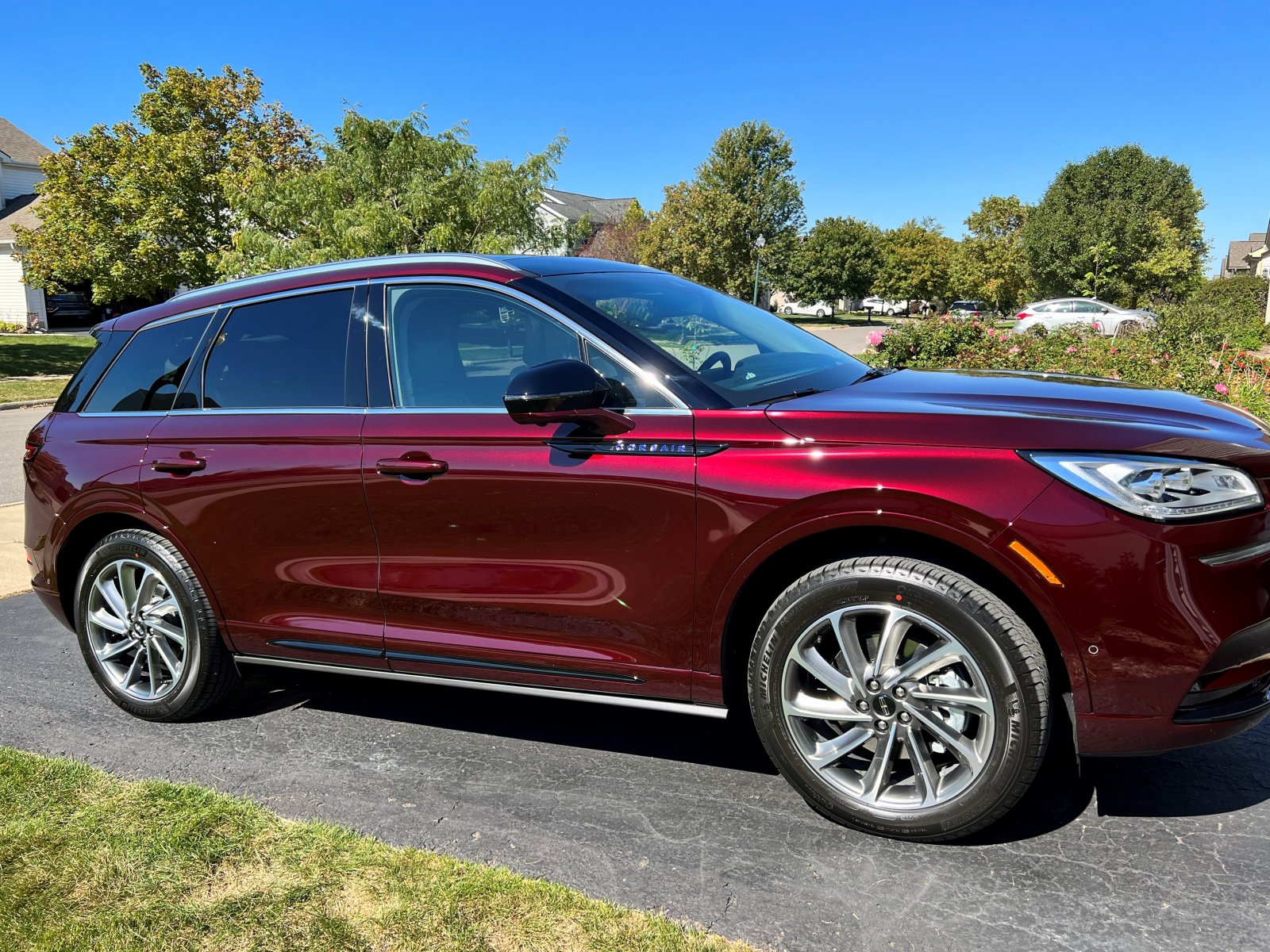
2021 Lincoln Corsair Grand Touring in Burgundy Velvet
- By RedHoncho01,
- 2
- 1
- 3
-